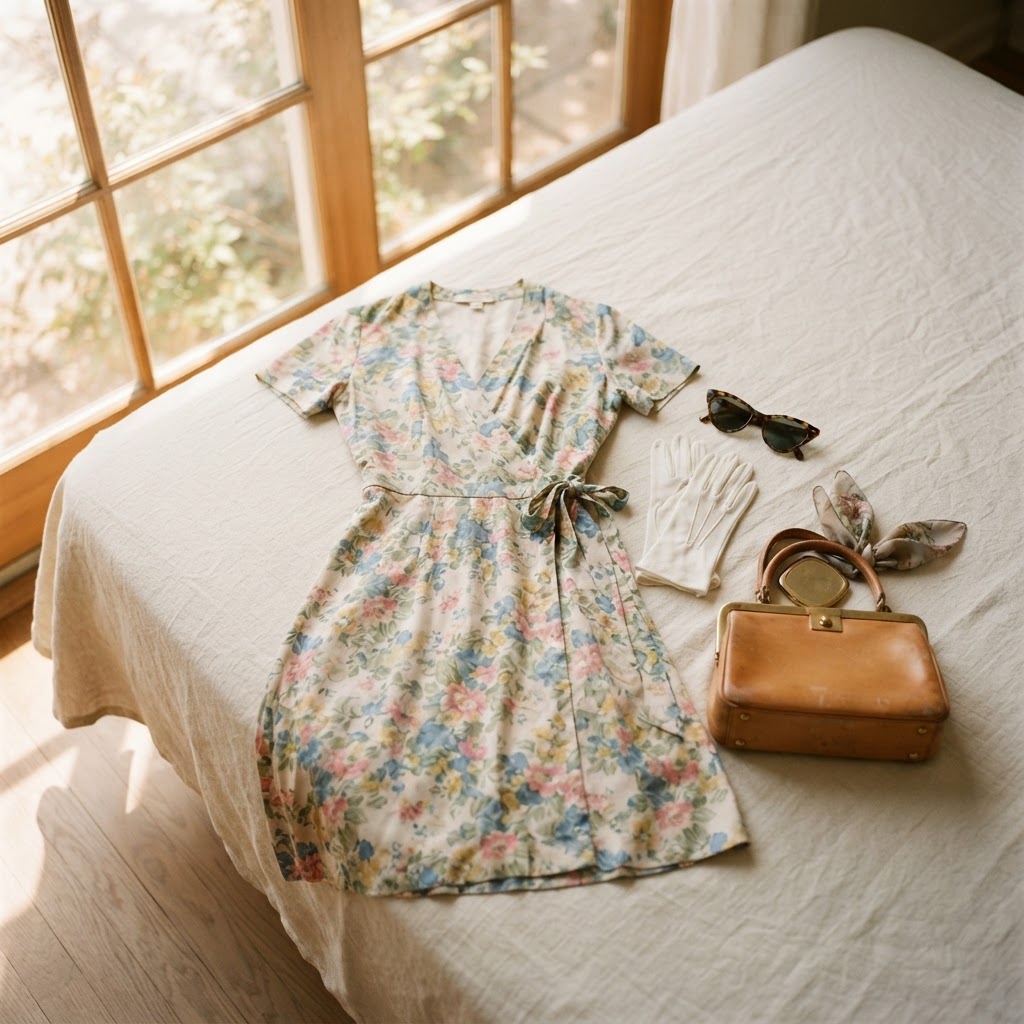
Stories, guides, and deep dives on vintage fashion from the 1920s through the 2010s.
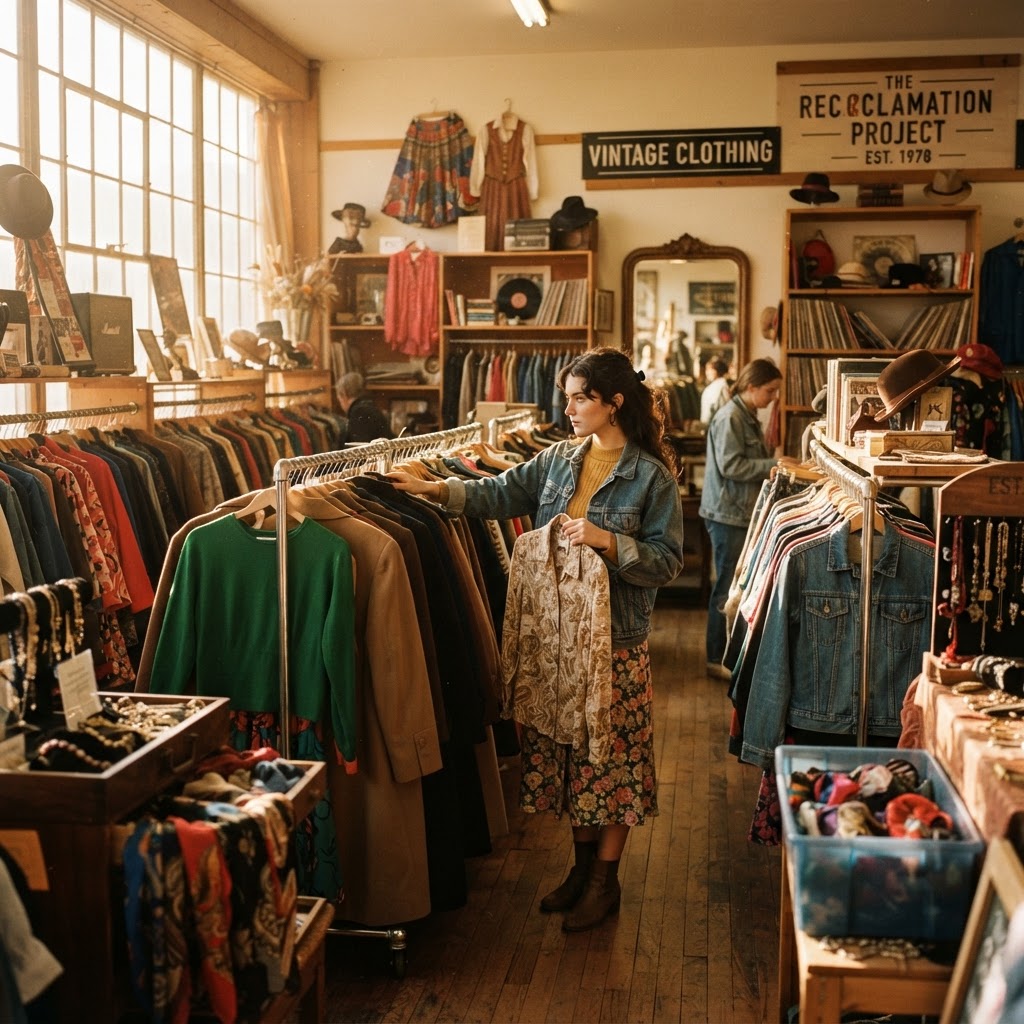
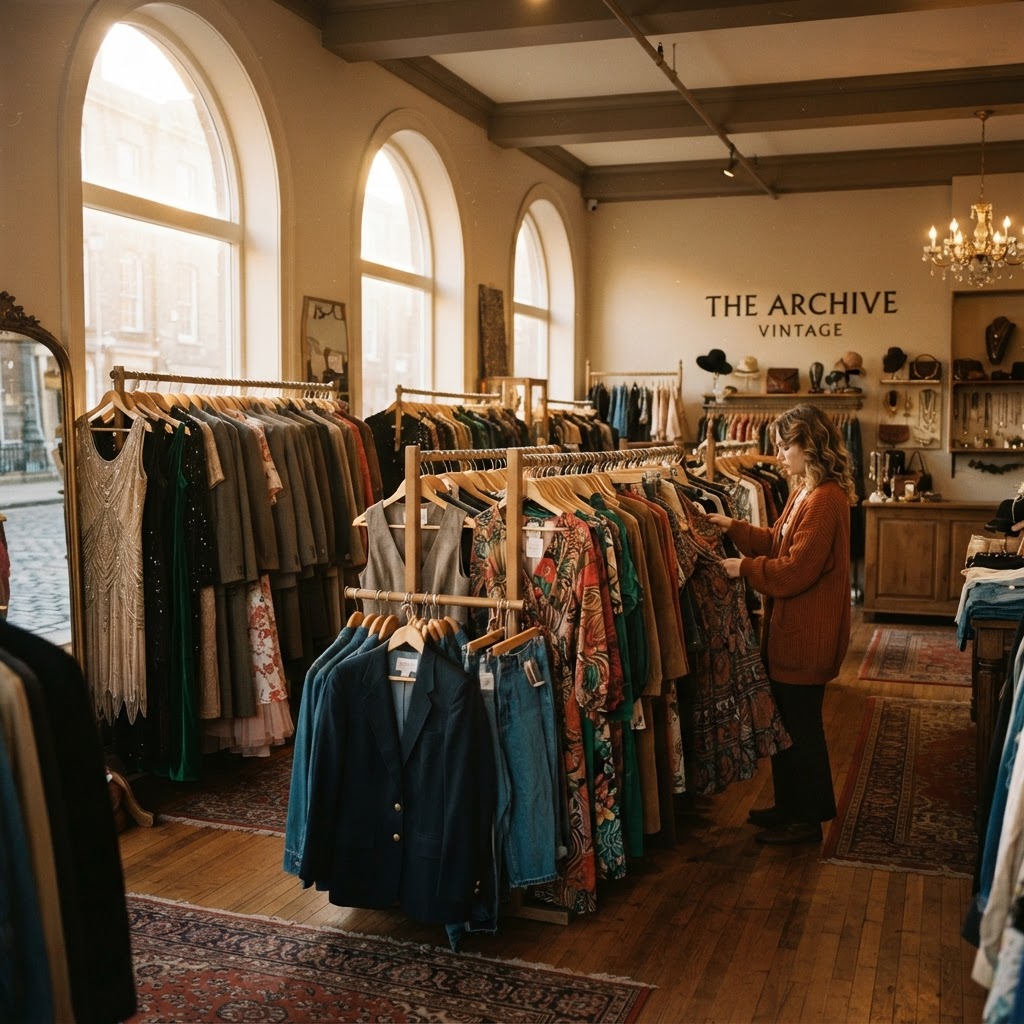
Dreaming of a closet filled with authentic vintage finds but worried about your wallet? Building a stunning vintage wardrobe doesn't have to cost a fortune. With the right strategies, a sharp eye, and a little patience, you can curate a timeless collection spanning decades — without breaking the bank.
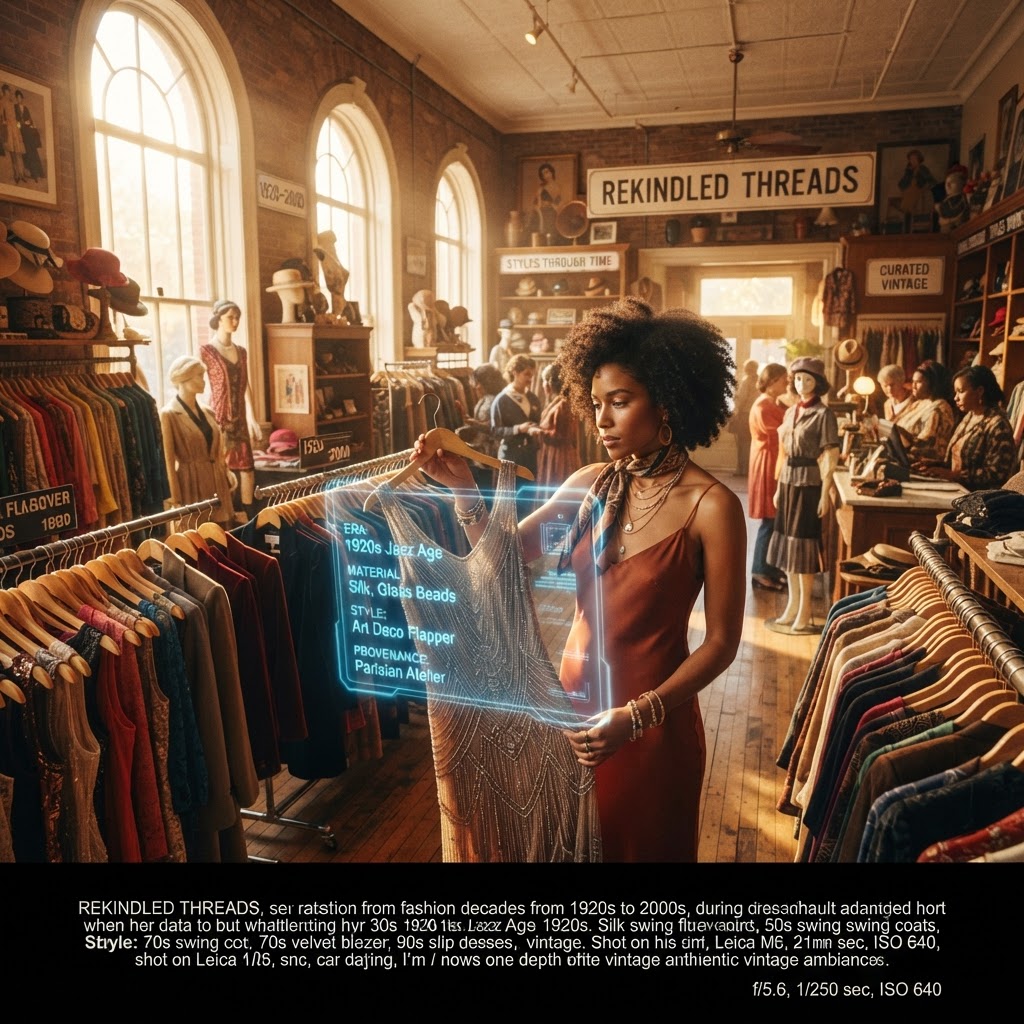
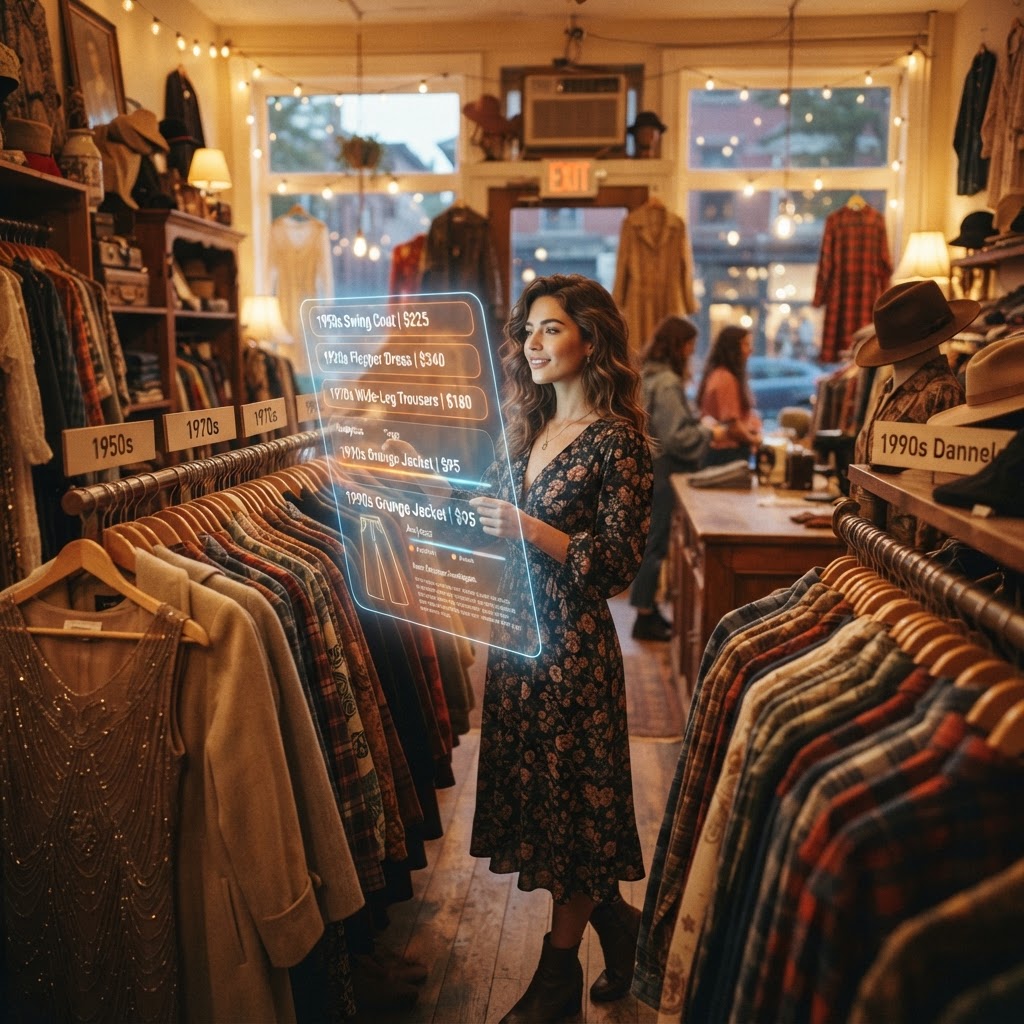
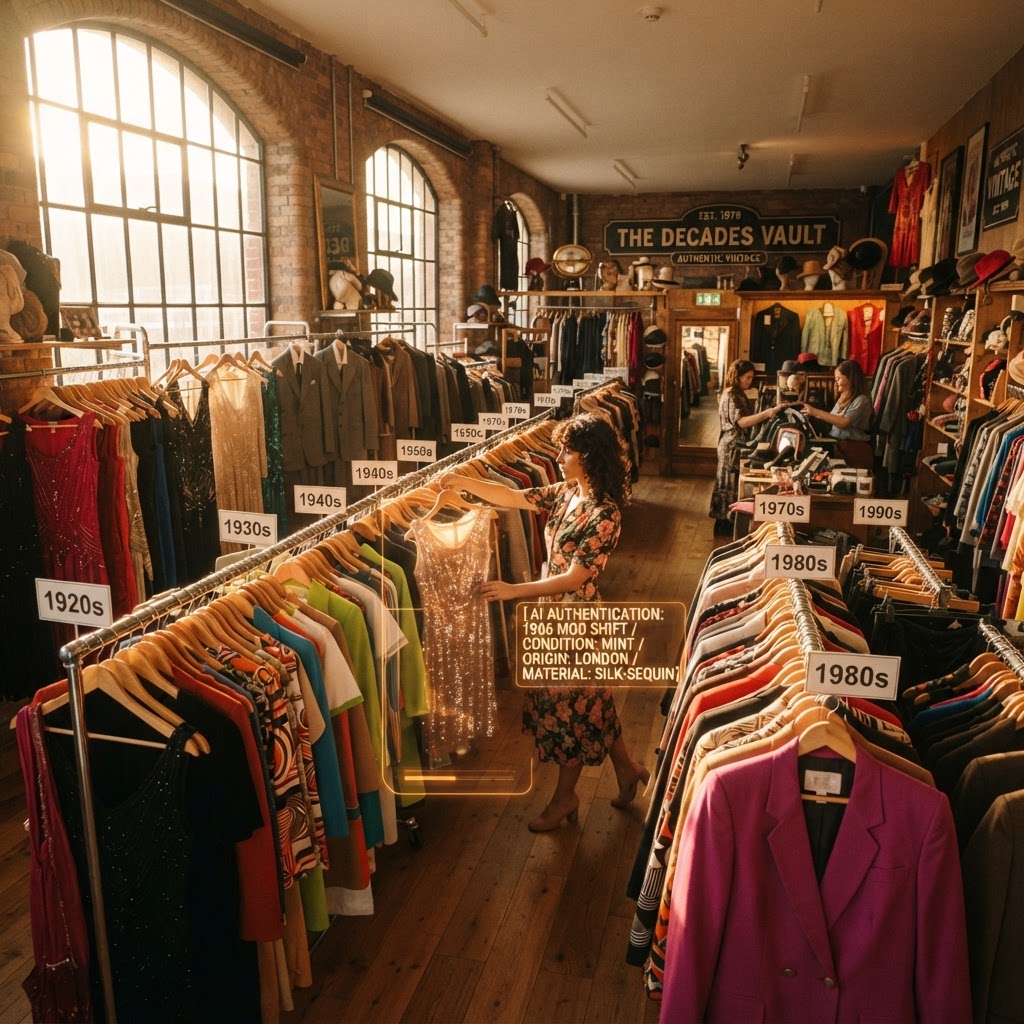
The thrill of the hunt has always defined vintage fashion — but what if you could keep the magic while cutting out the endless scroll? A new wave of AI-powered marketplaces is transforming how collectors and style lovers discover authentic pieces from every era, and the vintage community is taking notice.
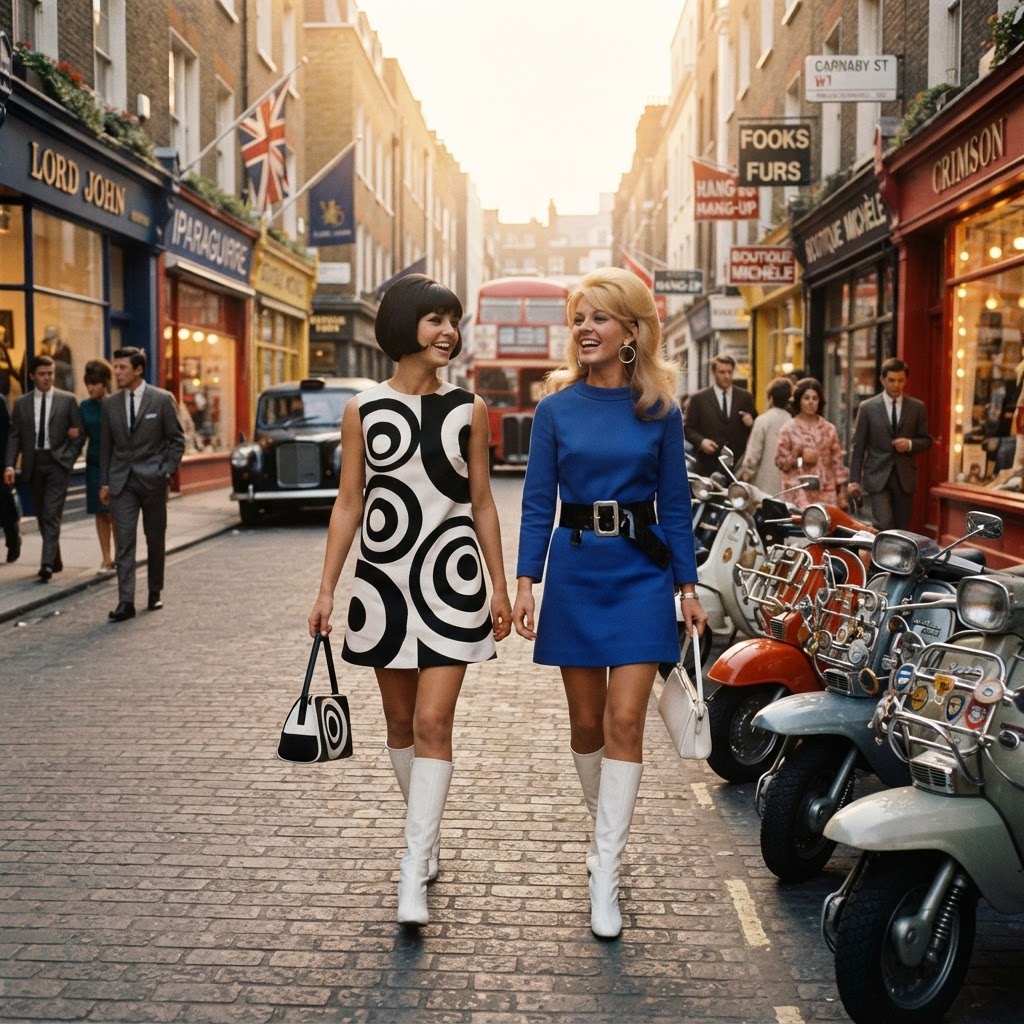
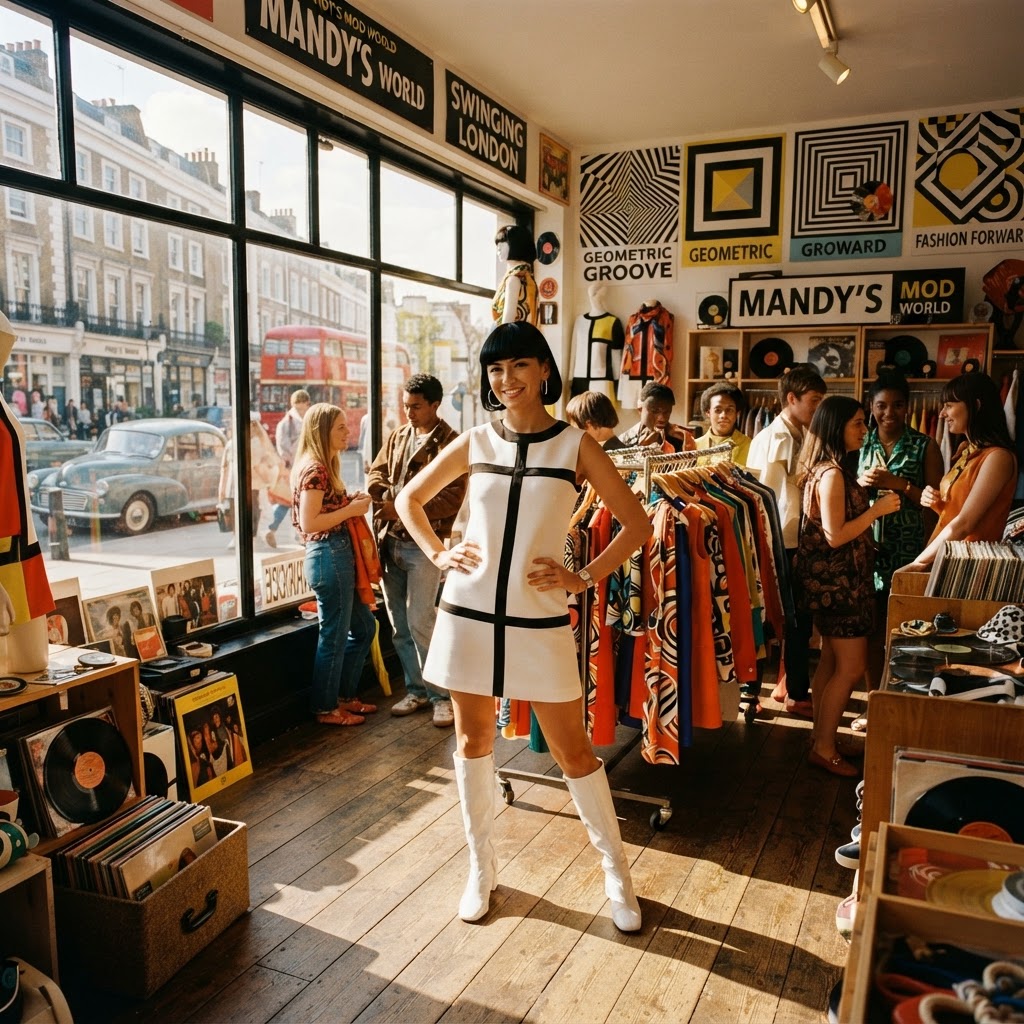
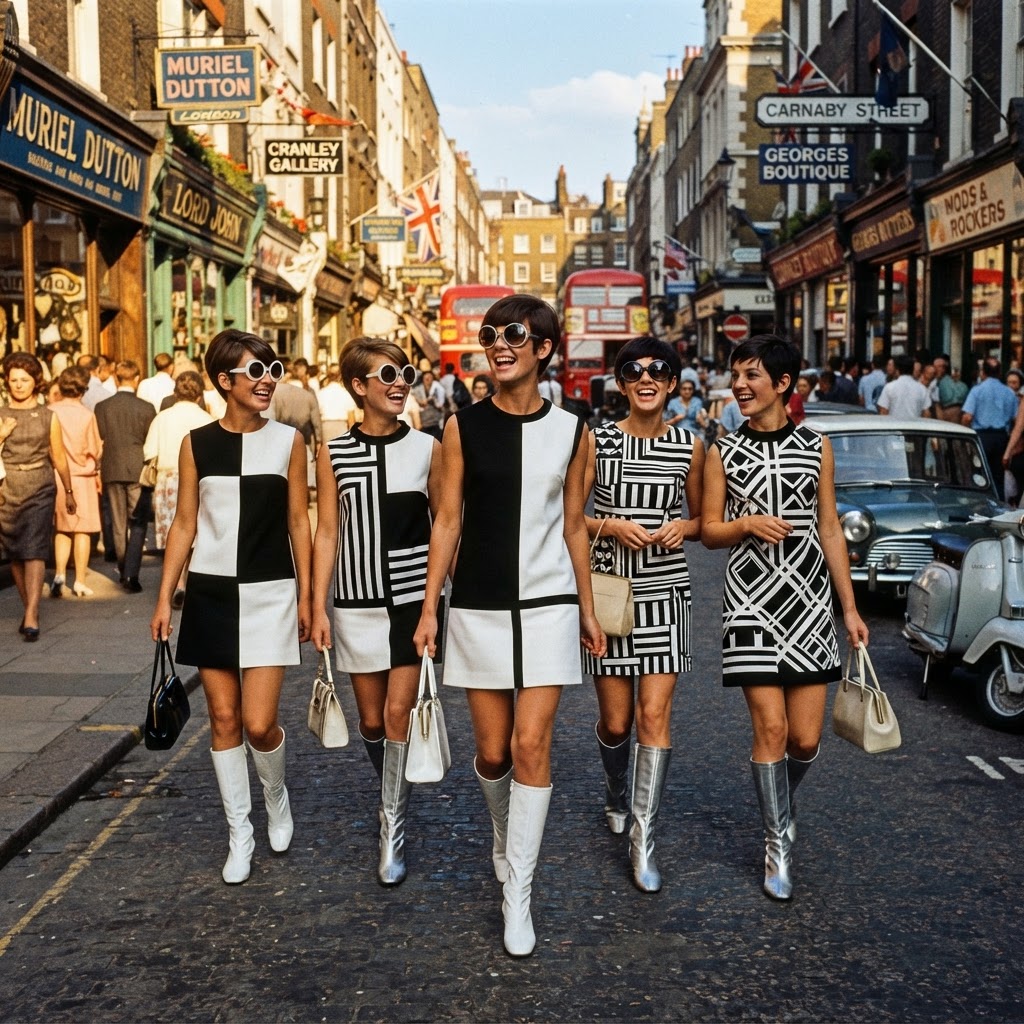
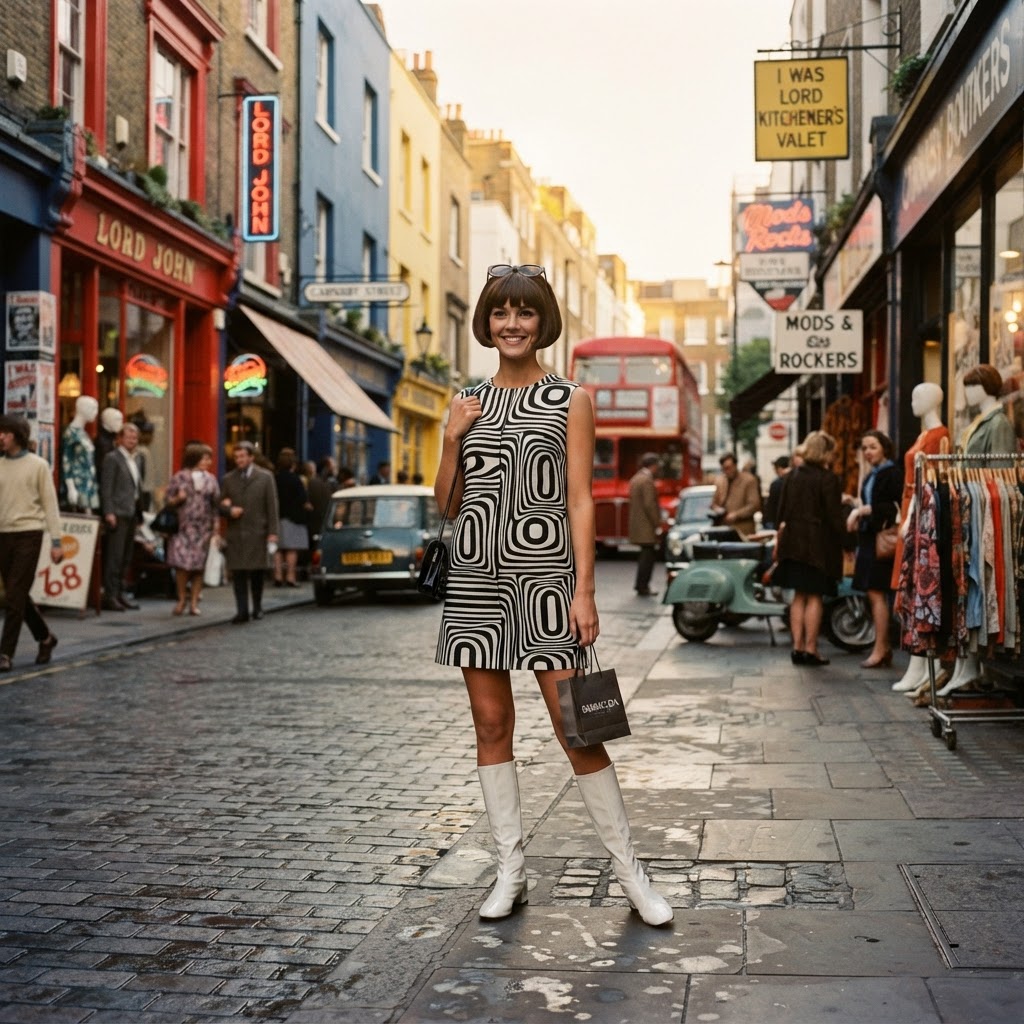
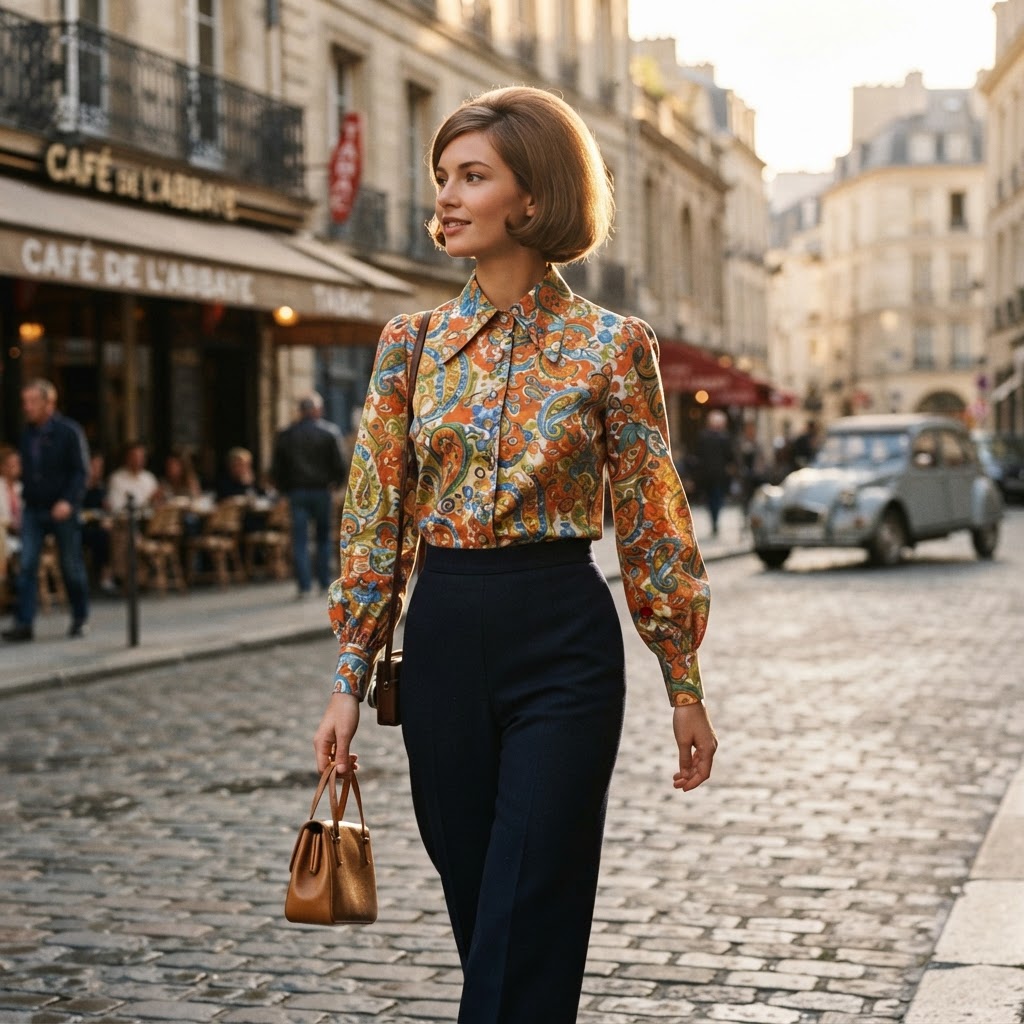
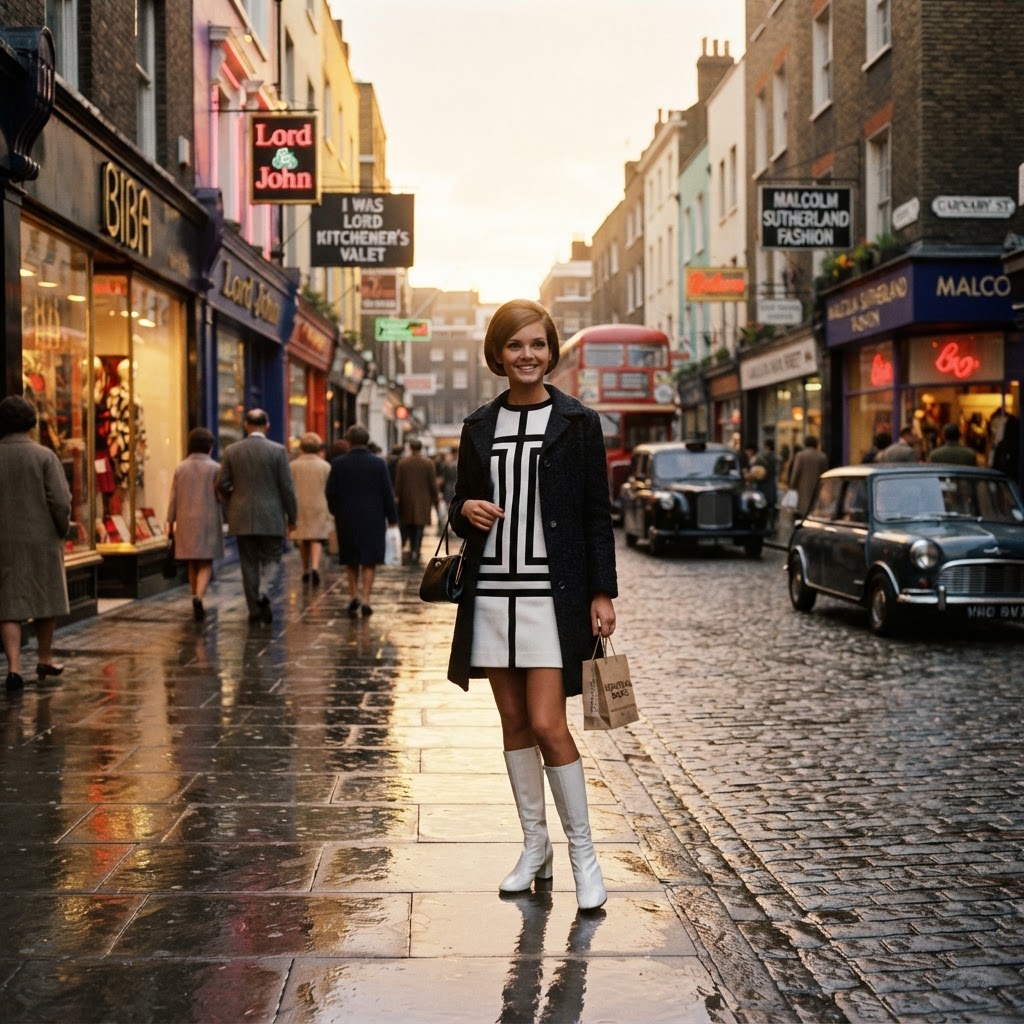
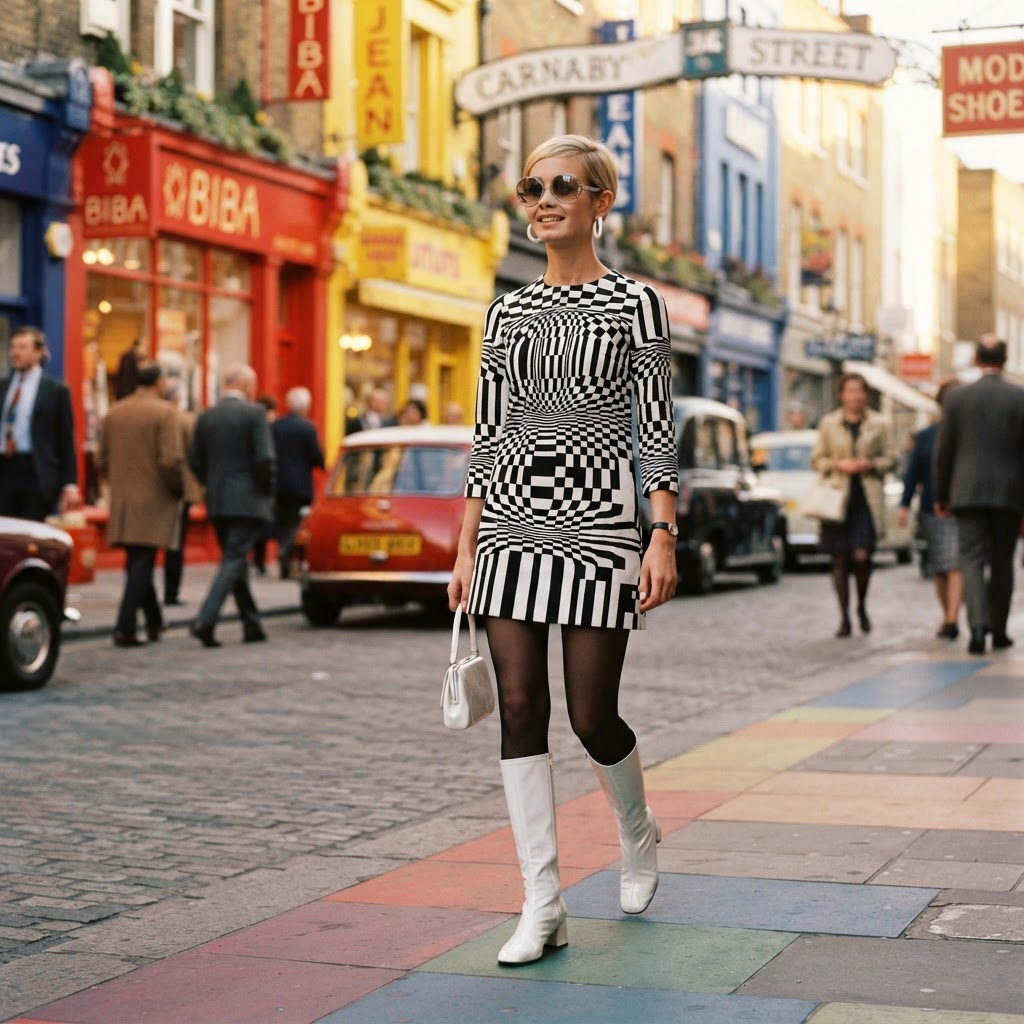
Few style movements have left as indelible a mark on fashion history as the mod revolution of the 1960s. Born in the boutiques of London's Carnaby Street and King's Road, mod fashion shattered every convention that came before it — and its DNA lives on in runways, street style, and vintage wardrobes to this day. Here's the story of how a youth-driven aesthetic changed the way the world got dressed.
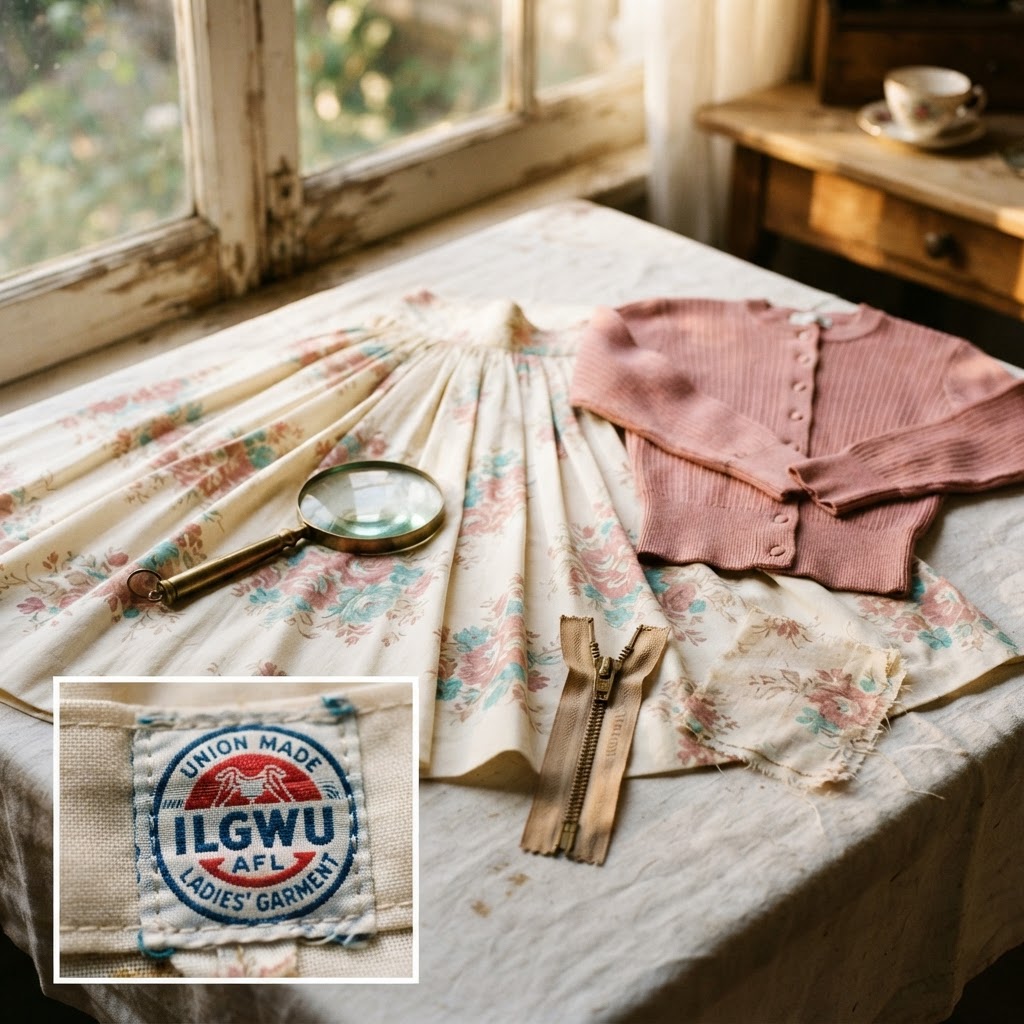
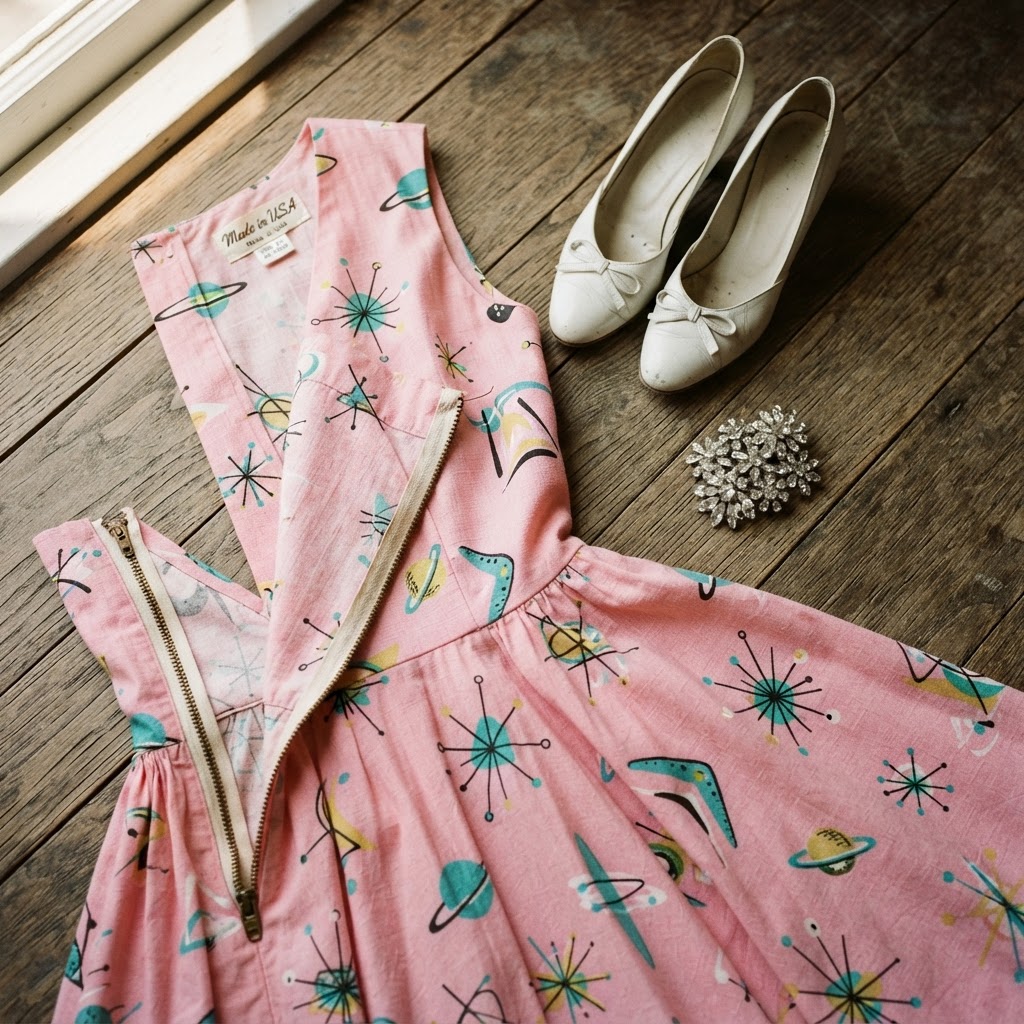
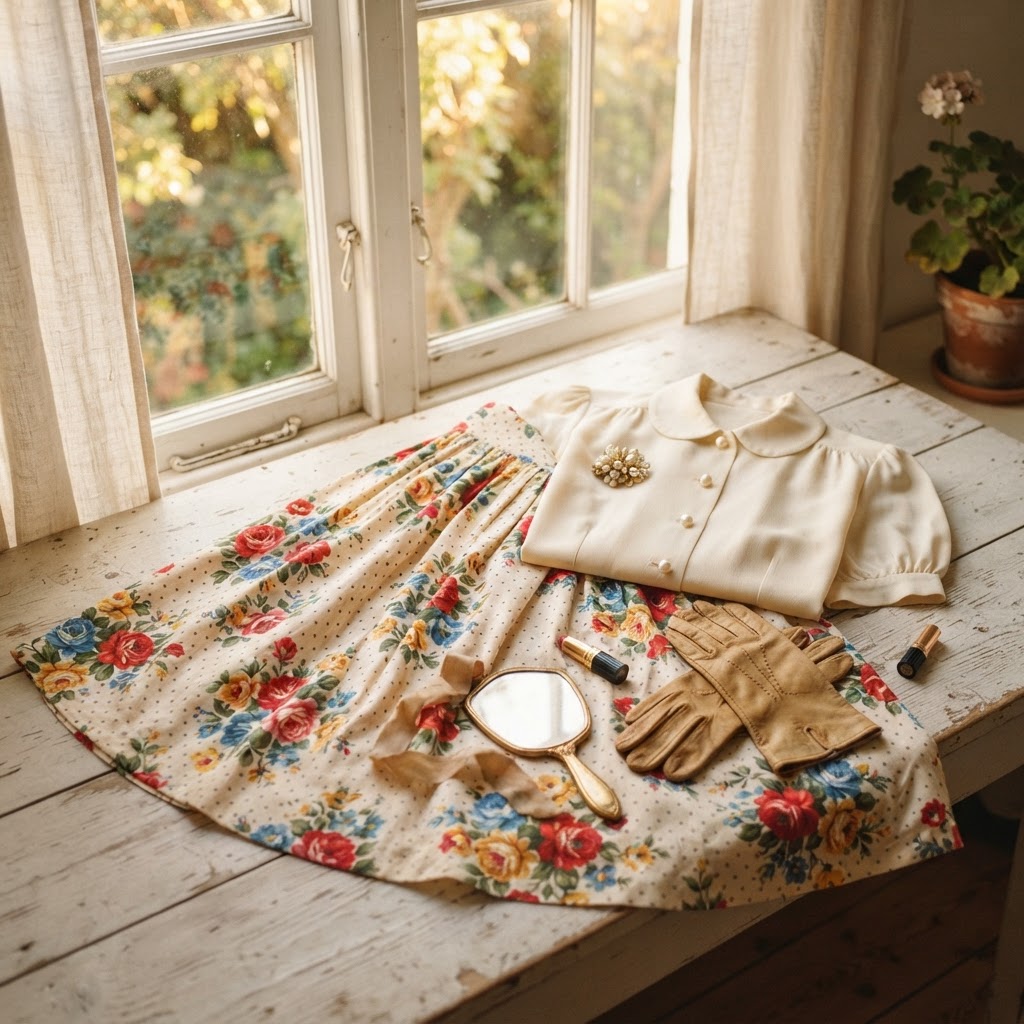
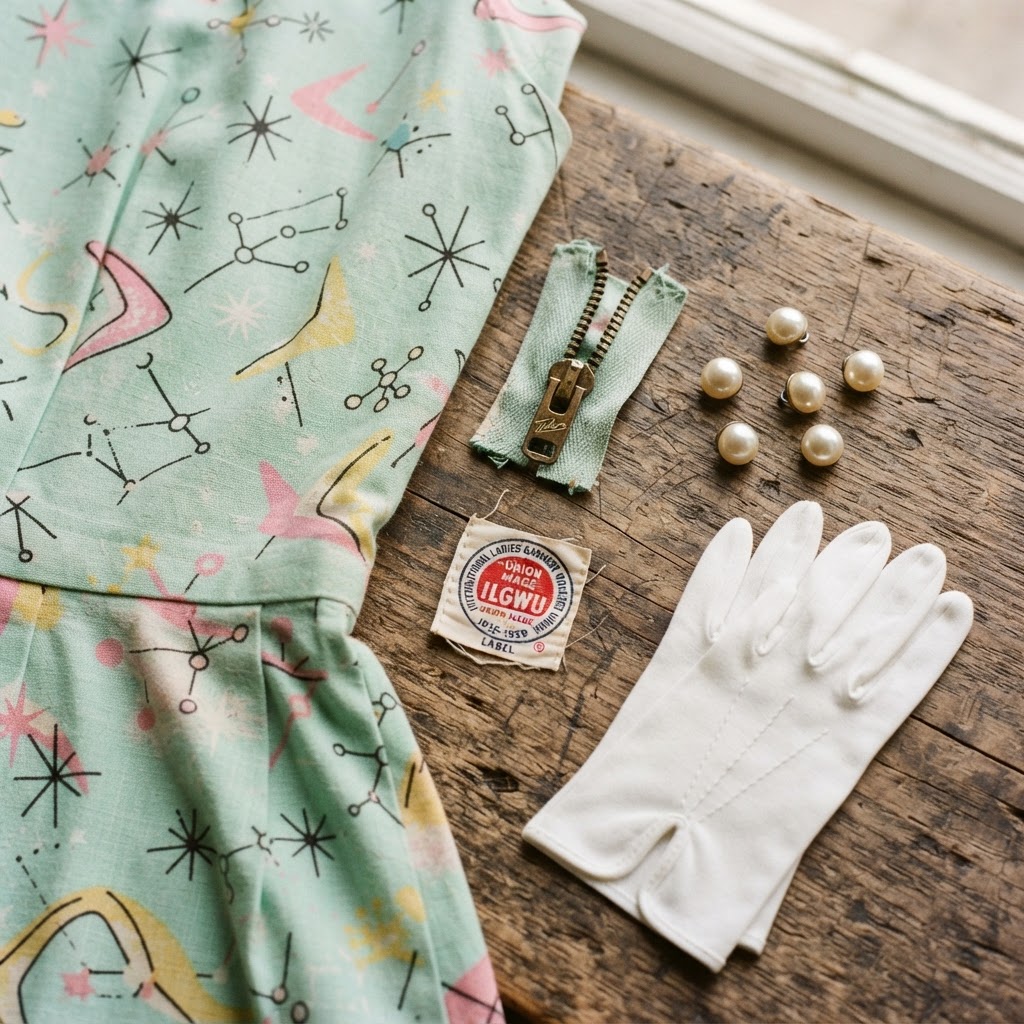
The poodle skirts, swing dresses, and sharply tailored suits of the 1950s have never gone out of style — which means the market is flooded with modern reproductions designed to look the part. Before you invest in a piece of mid-century magic, here's everything you need to know to tell the genuine article from a clever imitation.
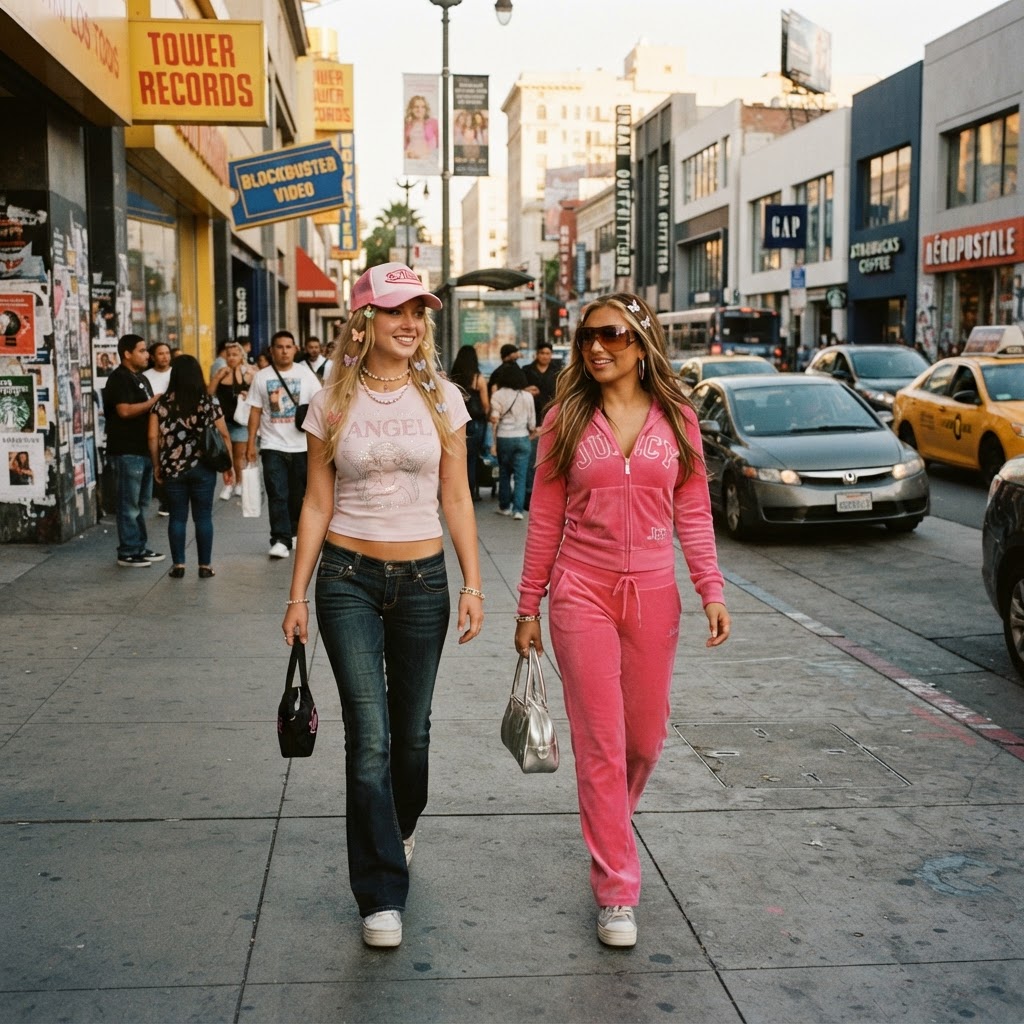
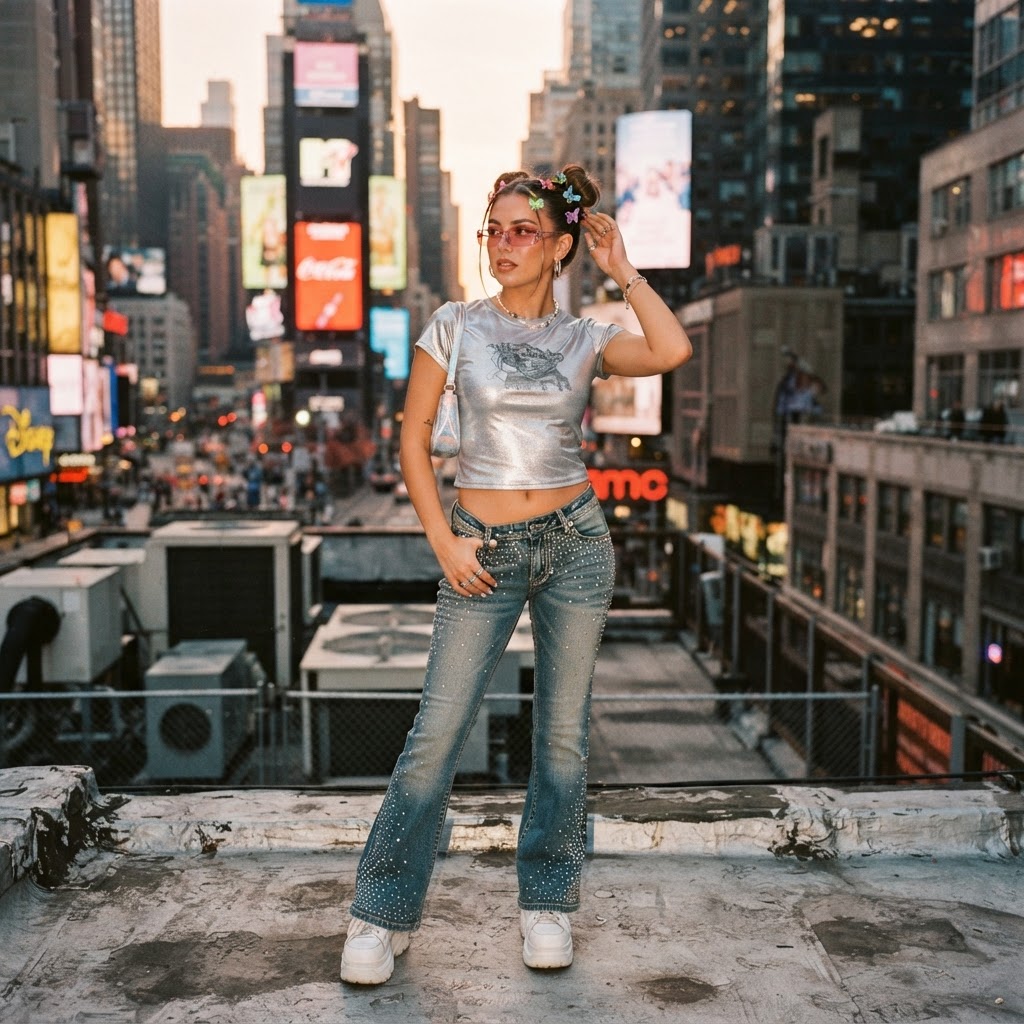
Low-rise jeans, butterfly clips, and bedazzled everything — Y2K fashion has officially left the nostalgia archives and landed squarely on today's runways and street-style feeds. What once felt like a cultural punchline is now one of the most coveted aesthetics in vintage fashion. Here's why the Y2K revival is more than a passing trend — and how to wear it right.
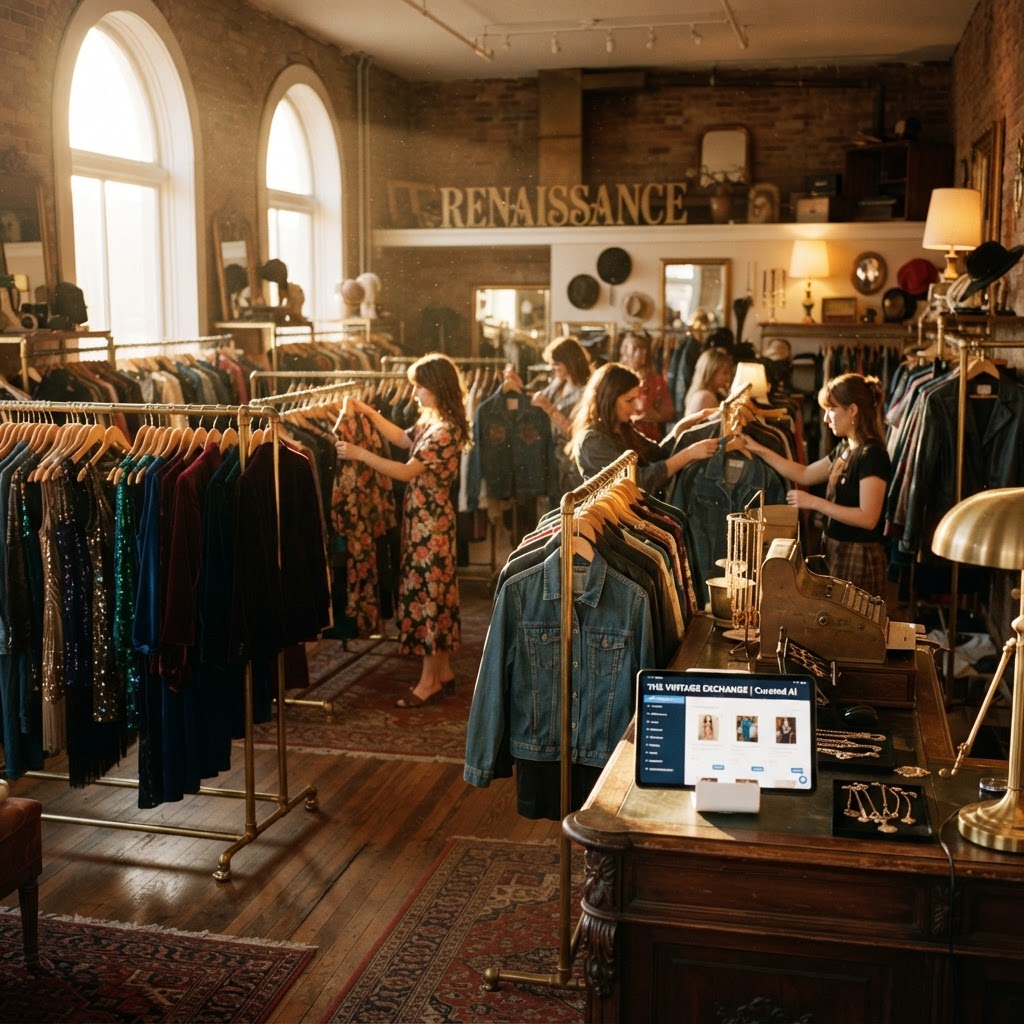
The thrill of finding a perfect 1970s wrap dress or a pristine 1950s swing coat used to mean hours of scrolling through endless listings, hoping the sizing was accurate and the photos weren't deceiving. Today, a new wave of AI-powered vintage marketplaces is transforming that hunt into something smarter, faster, and far more satisfying. Here's why savvy vintage shoppers are making the switch — and what it means for the future of secondhand style.
Low-rise jeans, butterfly clips, and velour tracksuits are no longer just memories — they're flying off virtual shelves. Y2K fashion has roared back into the cultural spotlight, driven by Gen Z's obsession with all things nostalgic. If you're a vintage seller sitting on early 2000s pieces, now is the moment to list them.
Low-rise jeans, butterfly clips, and frosted lip gloss are no longer just memories—they're back on the runway, the street, and your favorite vintage marketplace. Y2K fashion has officially completed its nostalgia cycle, and this time, it's here with a vengeance. Here's why the aesthetic of the late 1990s and early 2000s is capturing hearts all over again, and how you can authentically embrace it.
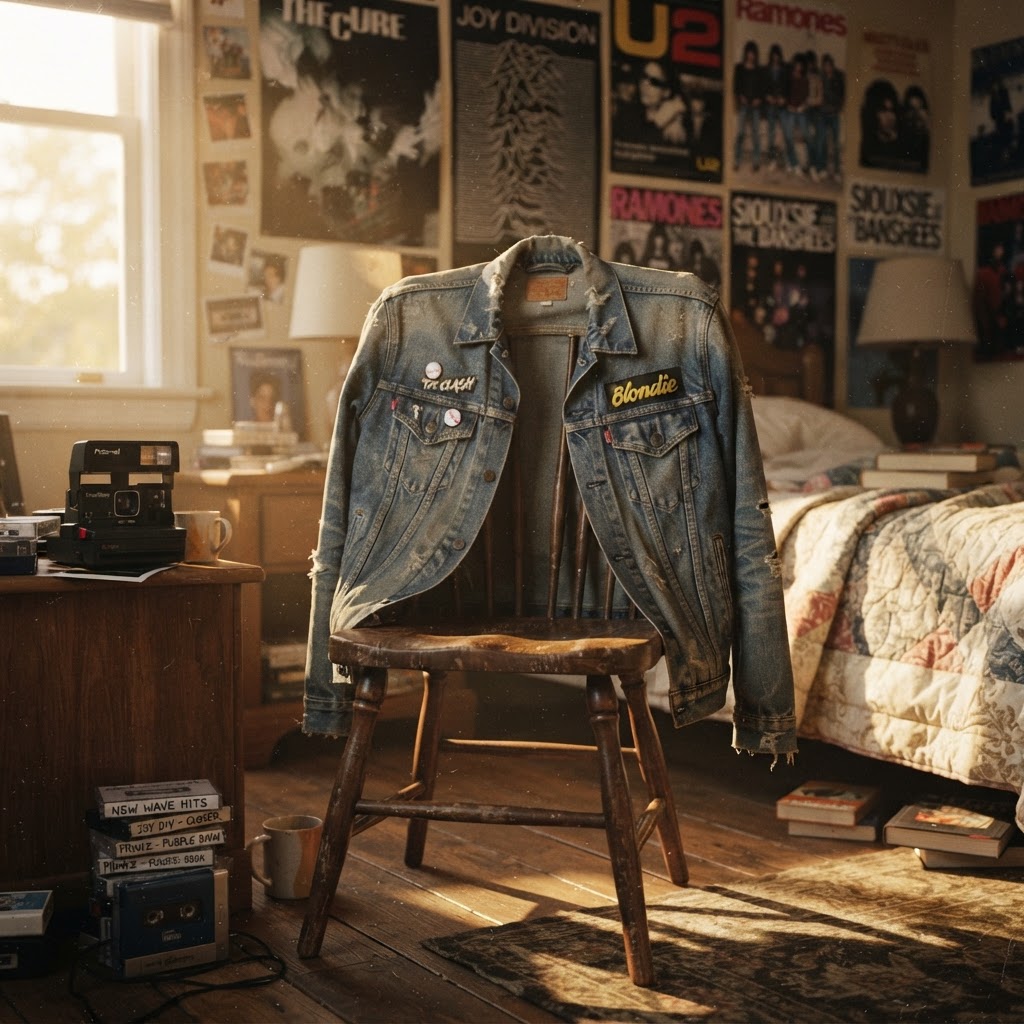
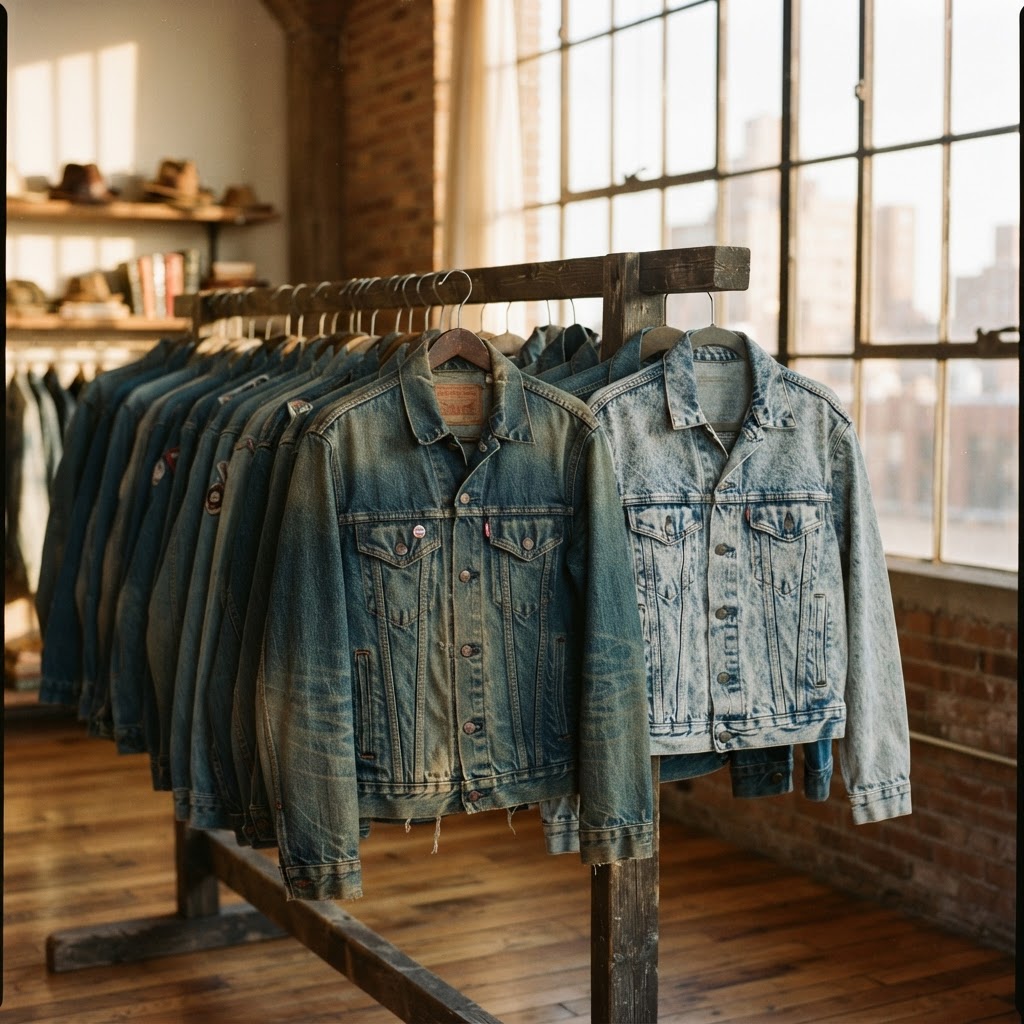
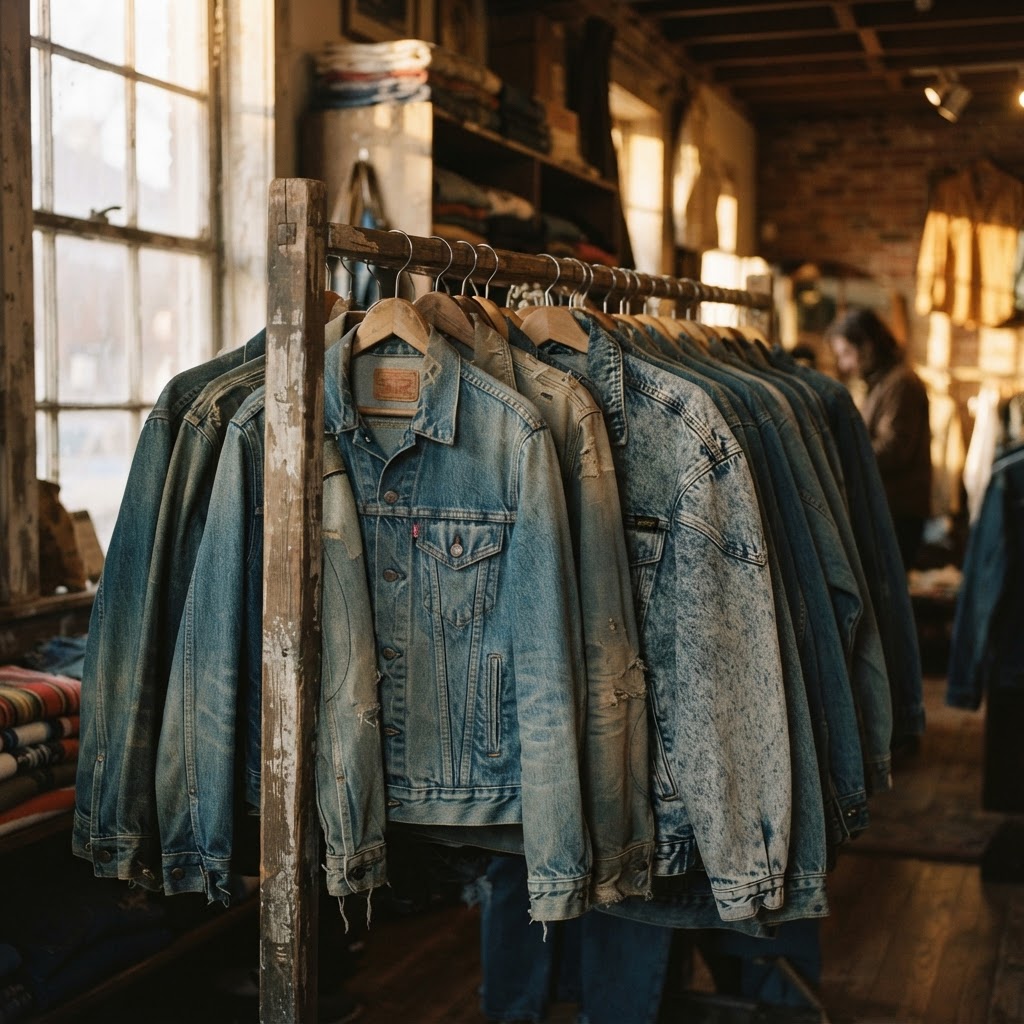
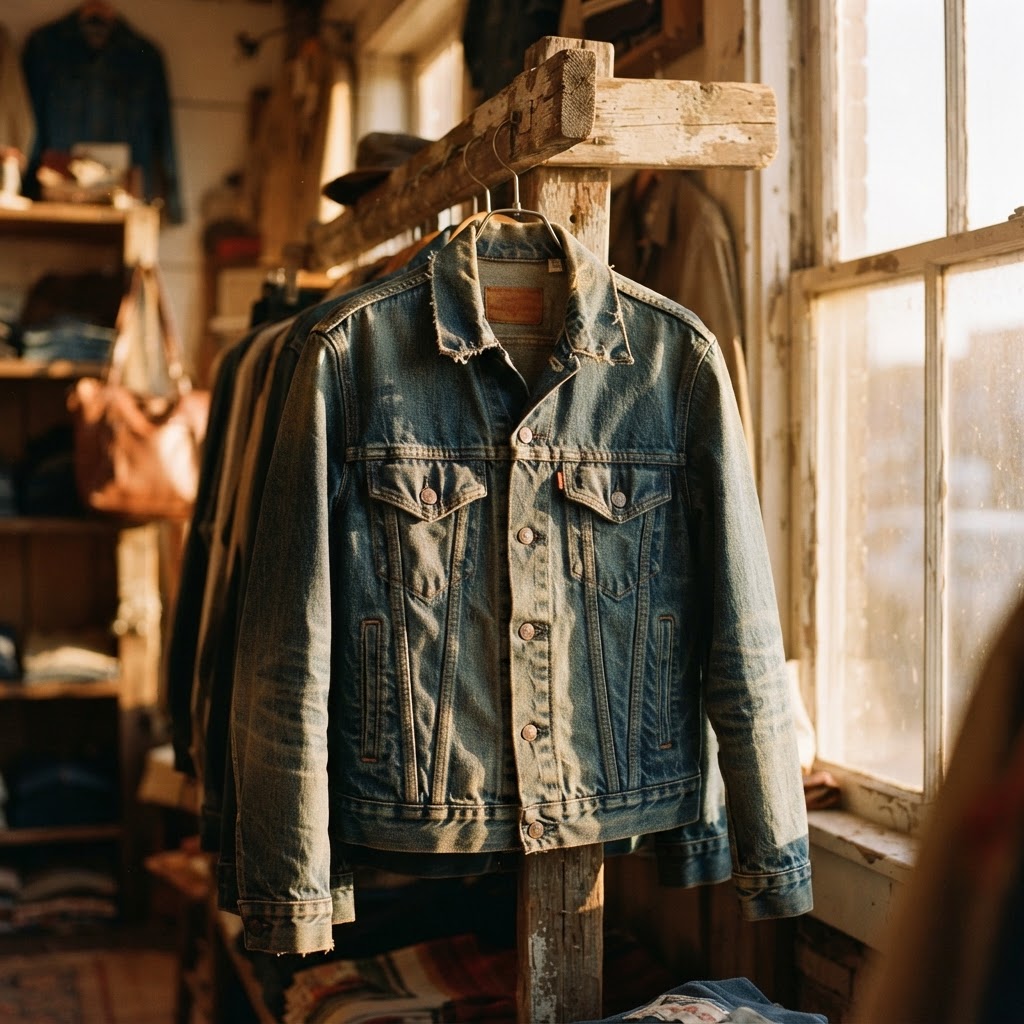
Vintage denim jackets are among the most sought-after pieces in the secondhand market — but knowing how to price and list them can make the difference between a quick sale and a listing that sits for months. From 1950s workwear to 1990s oversized grunge staples, each era carries its own value signals. Whether you're a seasoned seller or just cleaning out your closet, this guide will walk you through everything you need to know.
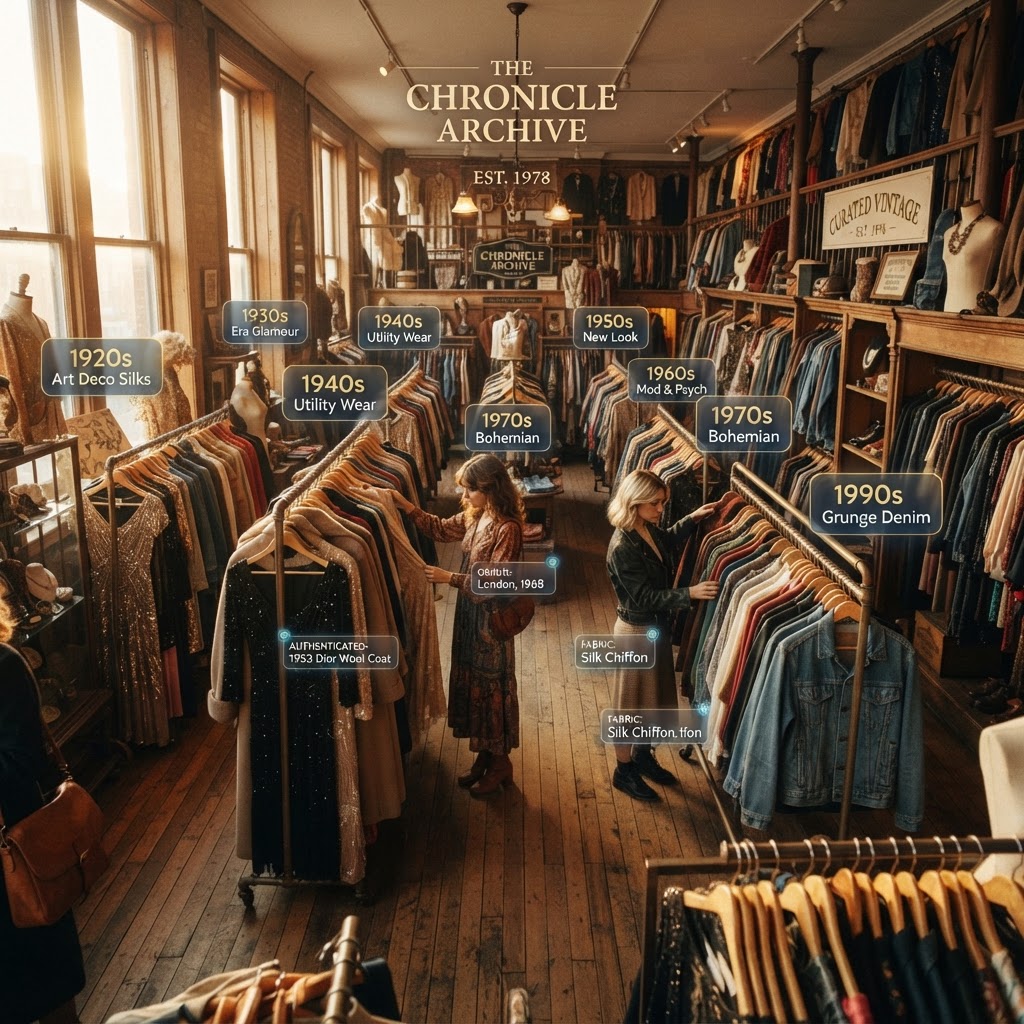
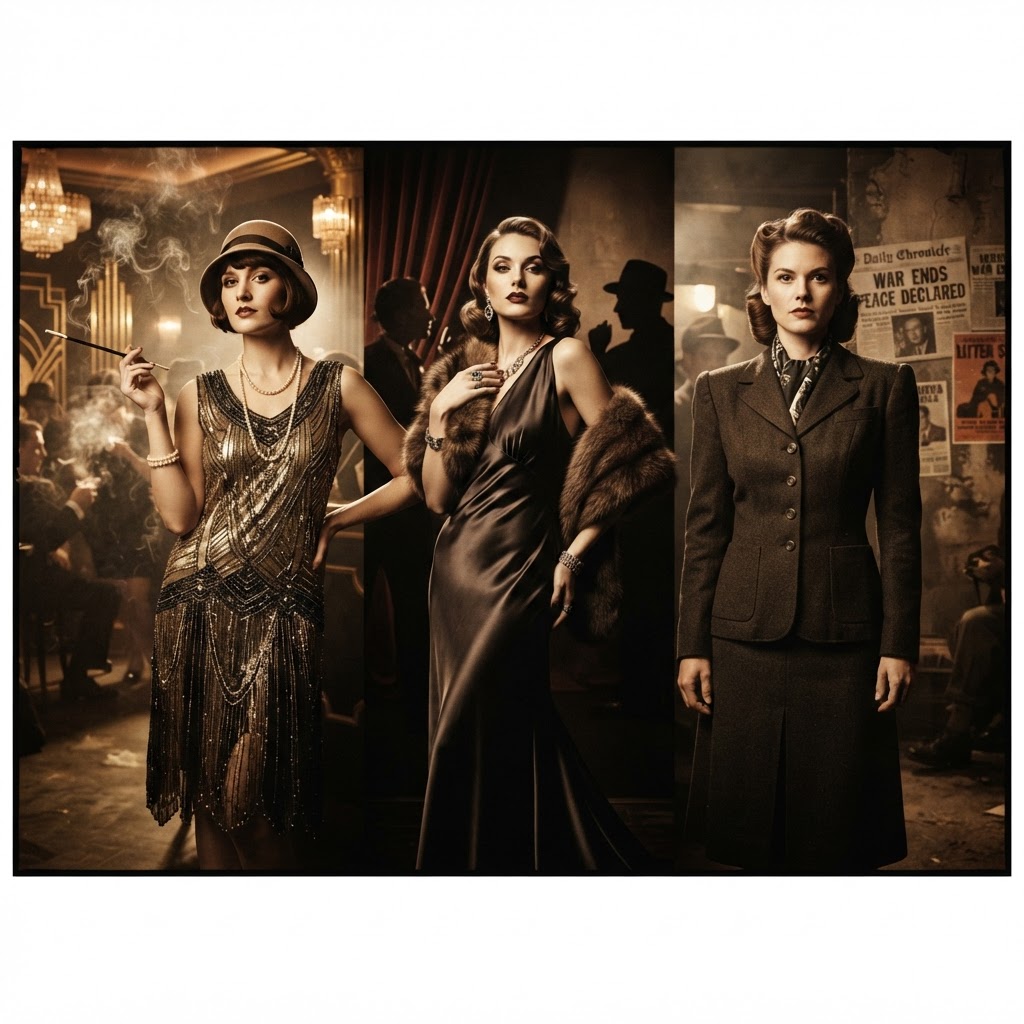
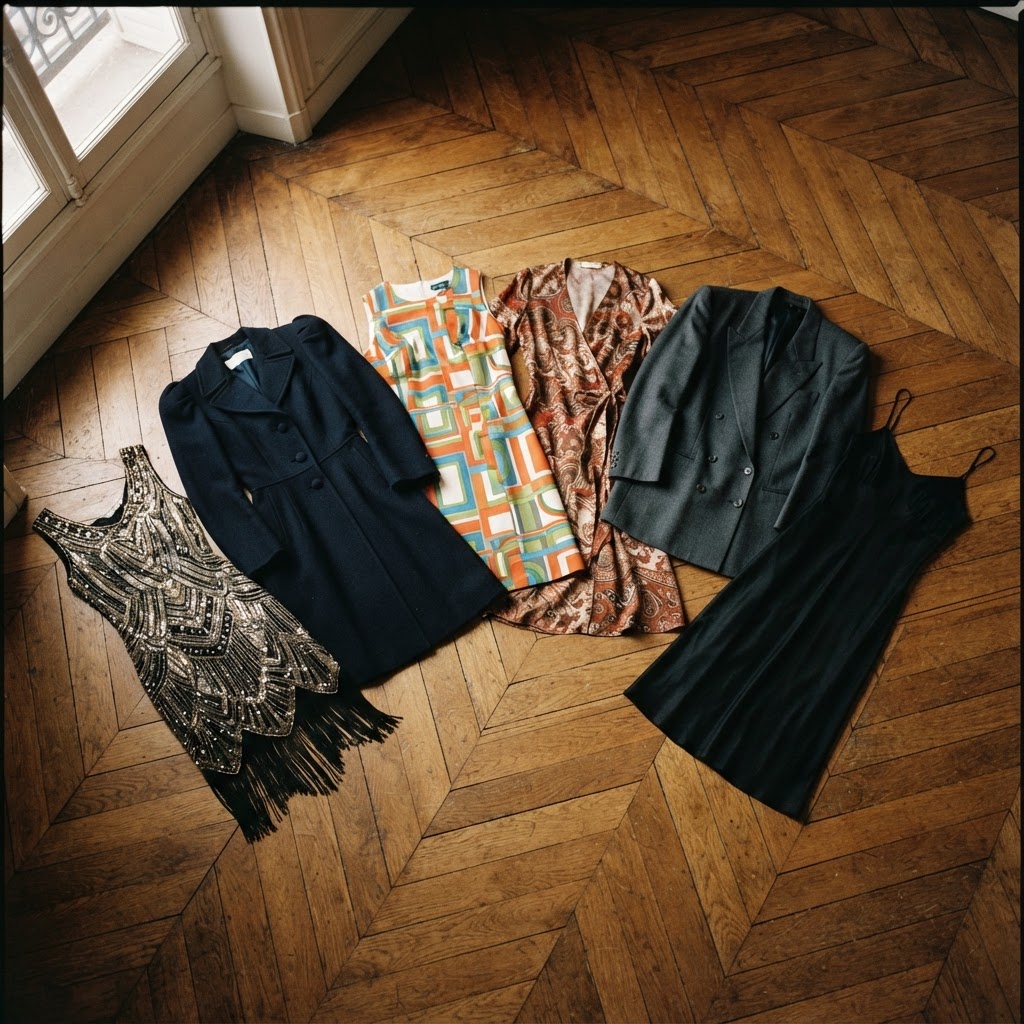
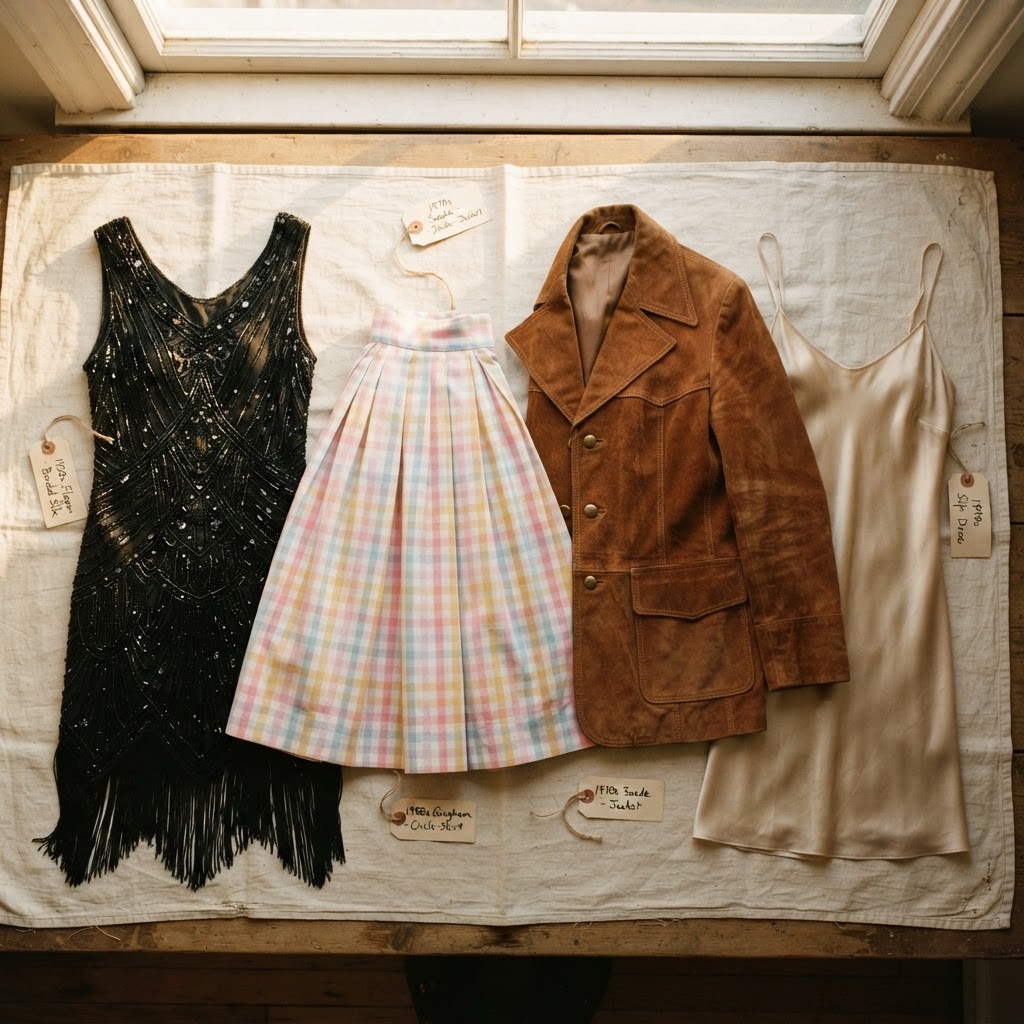
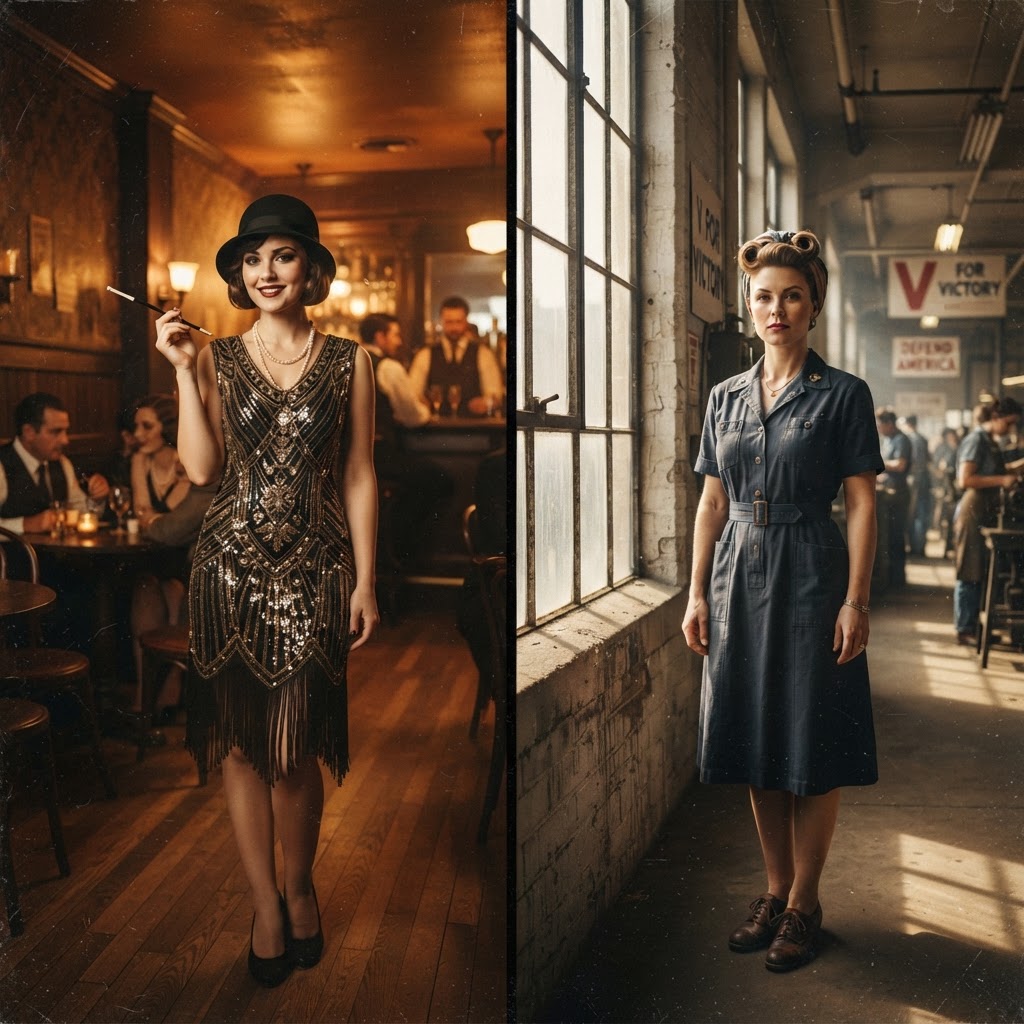
From the liberated hemlines of the Jazz Age to the utility-driven silhouettes of World War II, the fashion of the 1920s through 1940s tells a story far deeper than style. These decades were defined by seismic cultural shifts — and the clothes people wore were their loudest declarations. Understanding this history doesn't just make you a better vintage seller; it makes you a better storyteller.
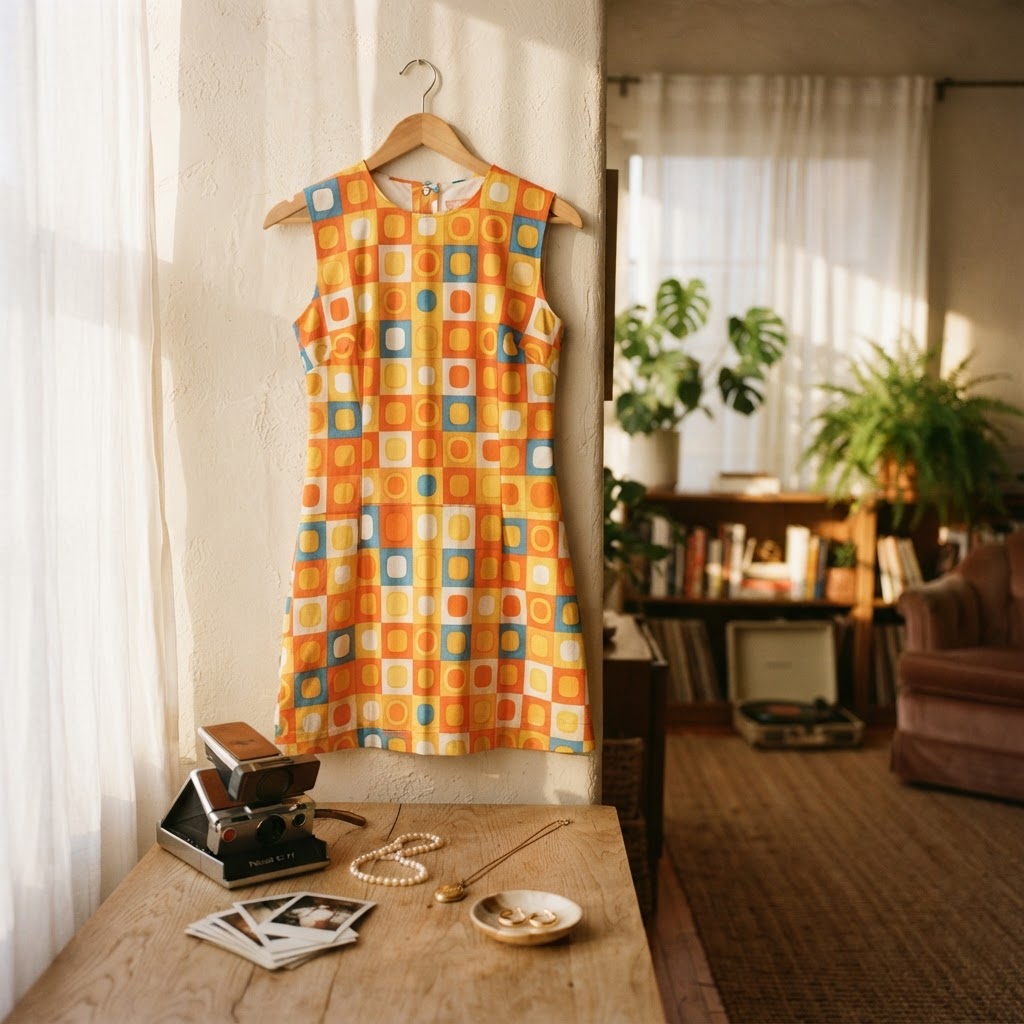
Few style movements have left as vivid a mark on fashion history as the mod revolution of the 1960s. Born on the streets of London and amplified by pop culture, mod fashion broke every rule — and rewrote them entirely. Whether you're a seasoned vintage collector or just discovering the era, understanding mod's origins will transform the way you shop for and wear these iconic pieces.
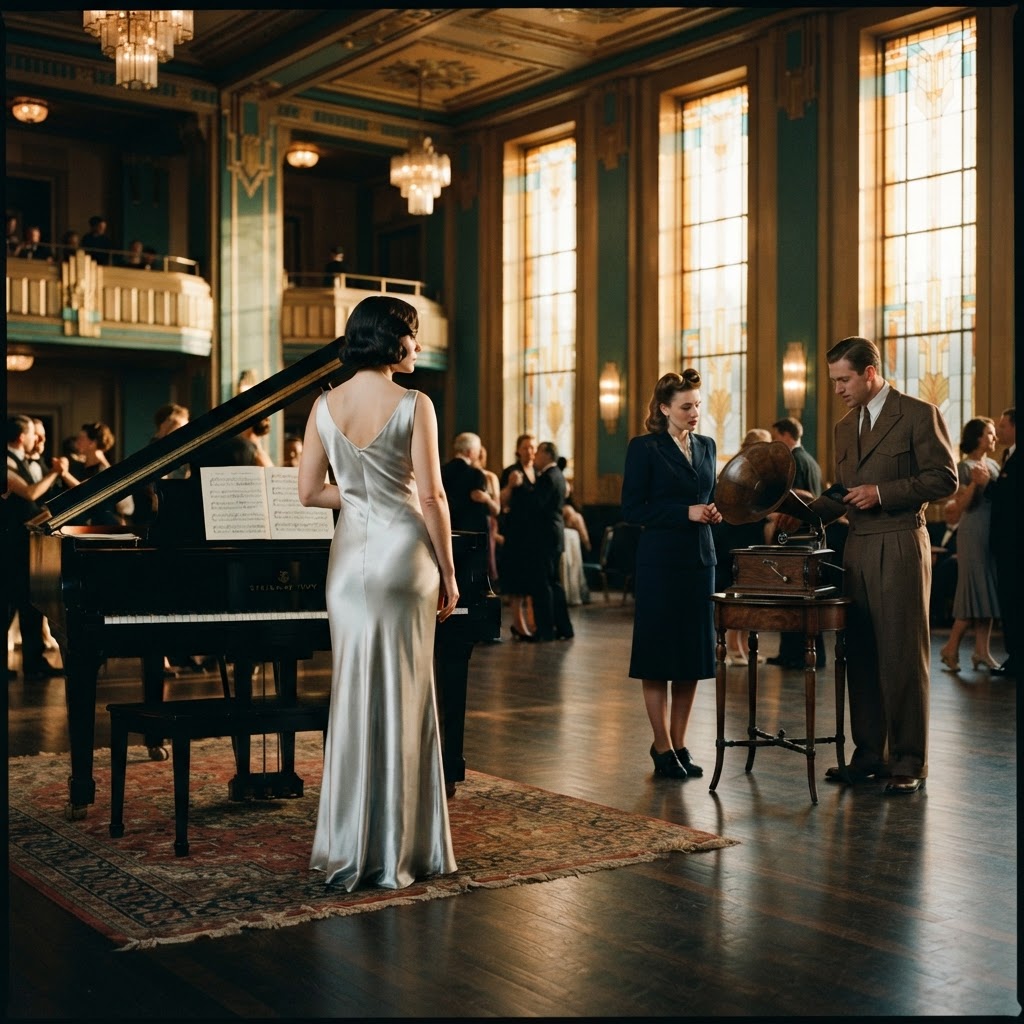
From the liberated silhouettes of the Jazz Age to the resourceful utility dressing of World War II, the clothes worn between 1920 and 1949 were never just clothes. They were declarations, adaptations, and quiet rebellions stitched into every seam. Understanding what people wore in these pivotal decades is to understand the forces that shaped the modern world.
In the mid-1960s, a seismic shift rippled out from the streets of London's Carnaby Street and King's Road, rewriting the rules of fashion forever. Bold geometry, space-age silhouettes, and a defiant youthful energy collided to create the **mod movement** — one of the most visually electrifying decades in style history. Decades later, its influence still pulses through runways, vintage markets, and the wardrobes of the fashion-forward.
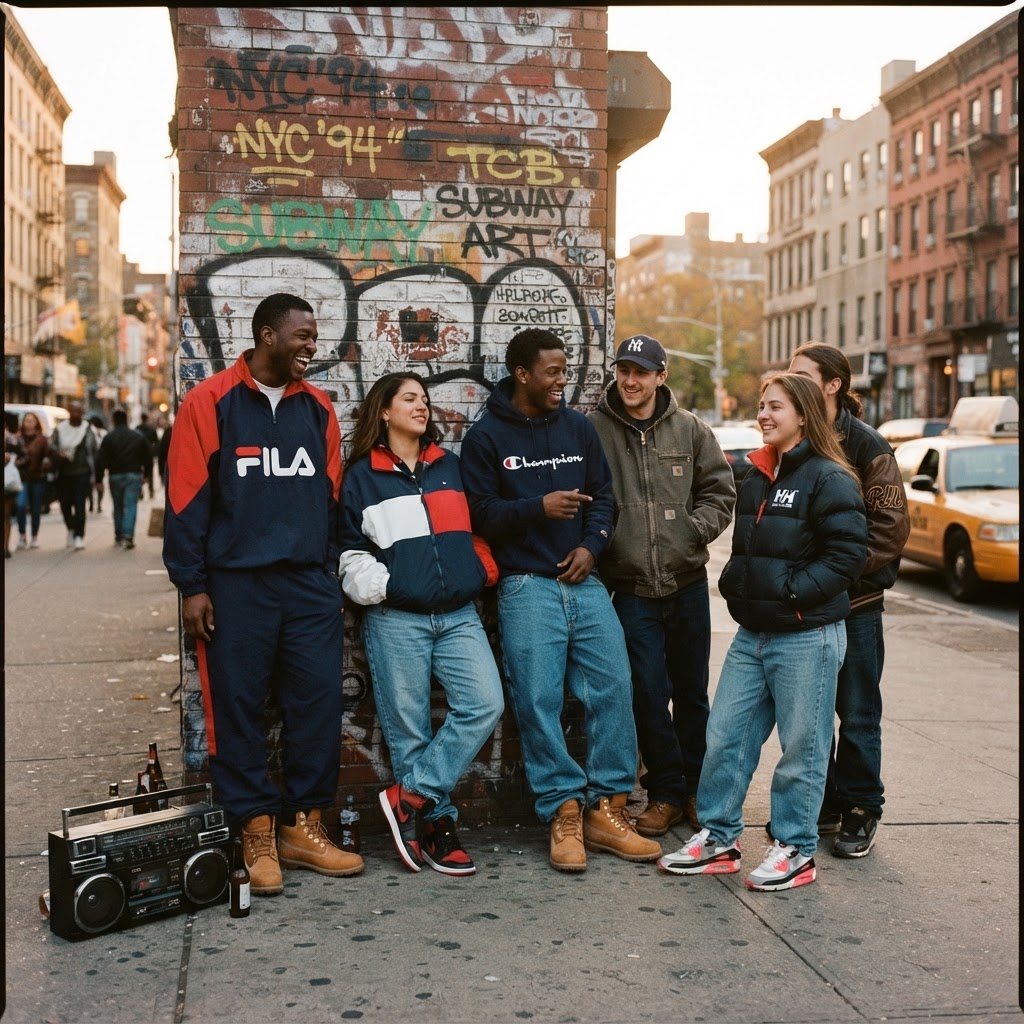
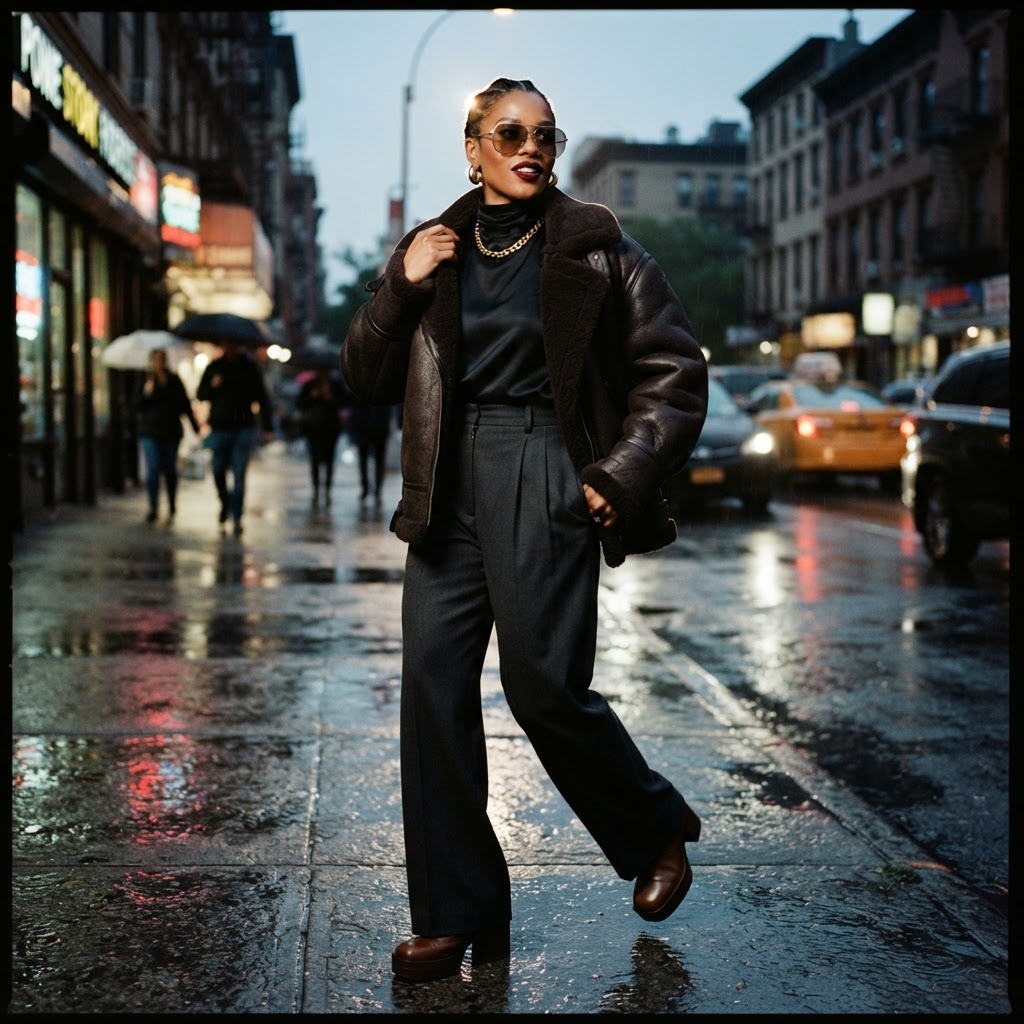
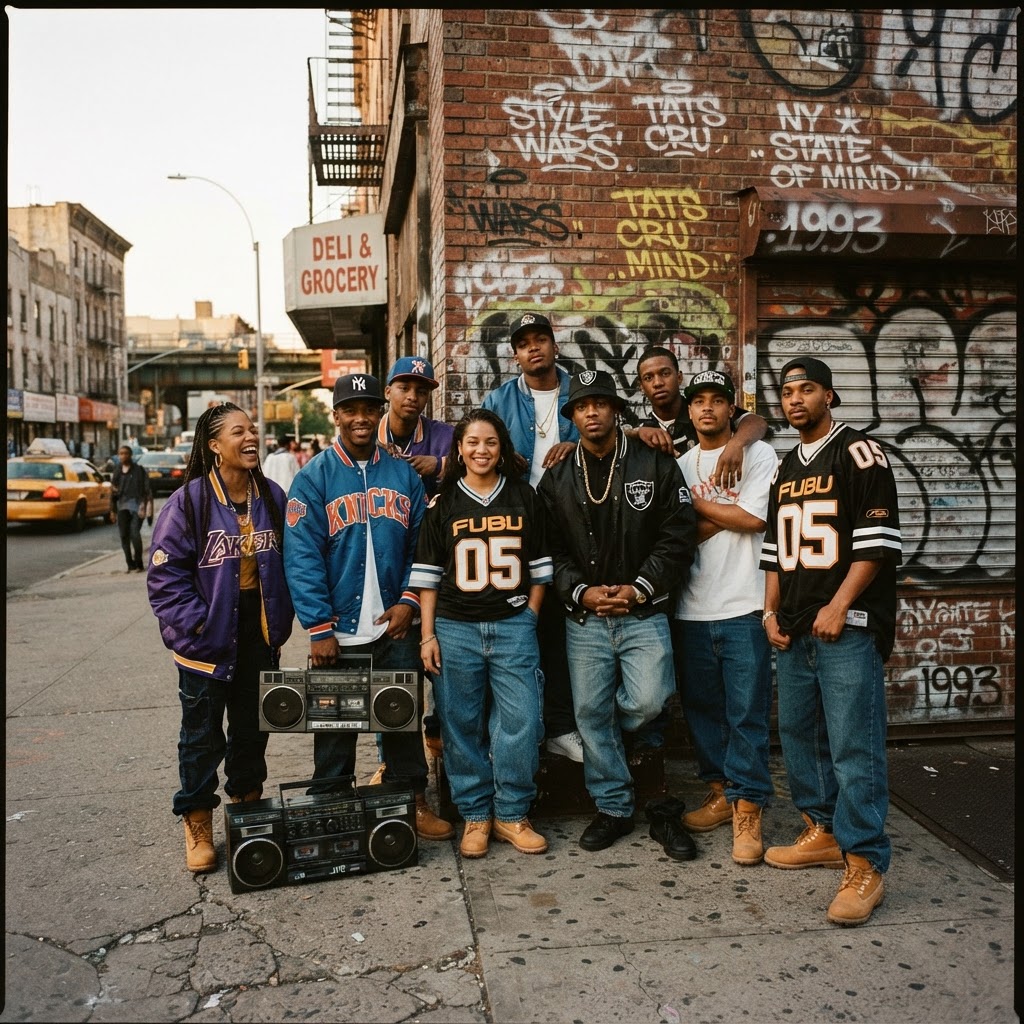
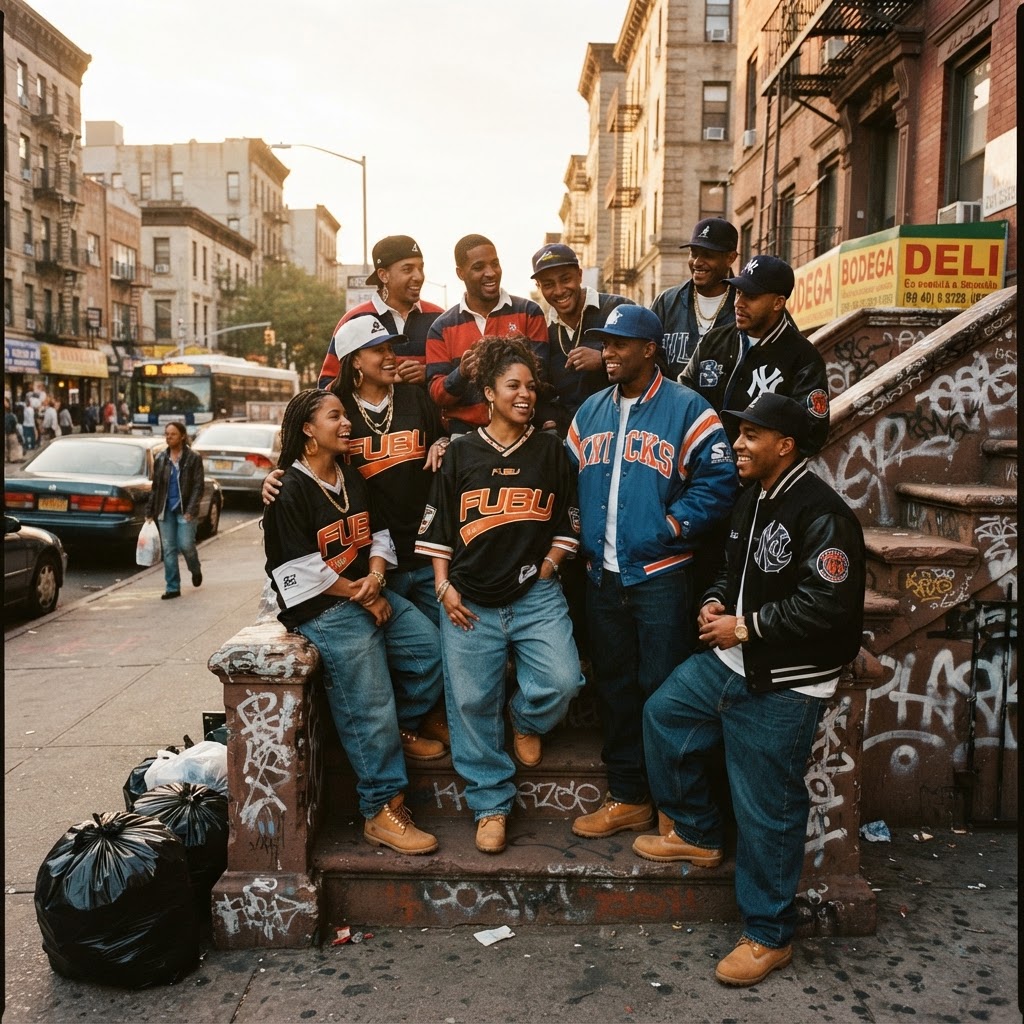
What started on the streets of New York, Los Angeles, and Atlanta became one of the most influential fashion movements of the 20th century. 1990s hip-hop streetwear didn't just dress a generation — it rewrote the rules of style, identity, and cultural power. If you're sitting on a collection of vintage 90s pieces, you're holding more than clothing: you're holding history.
Few style movements have cut as cleanly through fashion history as the mod revolution of the 1960s. Born in the boutiques of London's Carnaby Street and King's Road, mod fashion rewrote the rules of dressing — and decades later, its geometric lines, bold colors, and youthful energy refuse to fade. Here's everything you need to know about where it came from, what it meant, and why you're still seeing it everywhere.
The thrill of discovering a perfect 1970s wrap dress or an immaculate 1950s swing coat used to mean hours of scrolling through endless, poorly-described listings. Now, AI-powered marketplaces are transforming the vintage fashion hunt into something smarter, faster, and far more satisfying. Here's why buyers across every decade of style are making the switch.
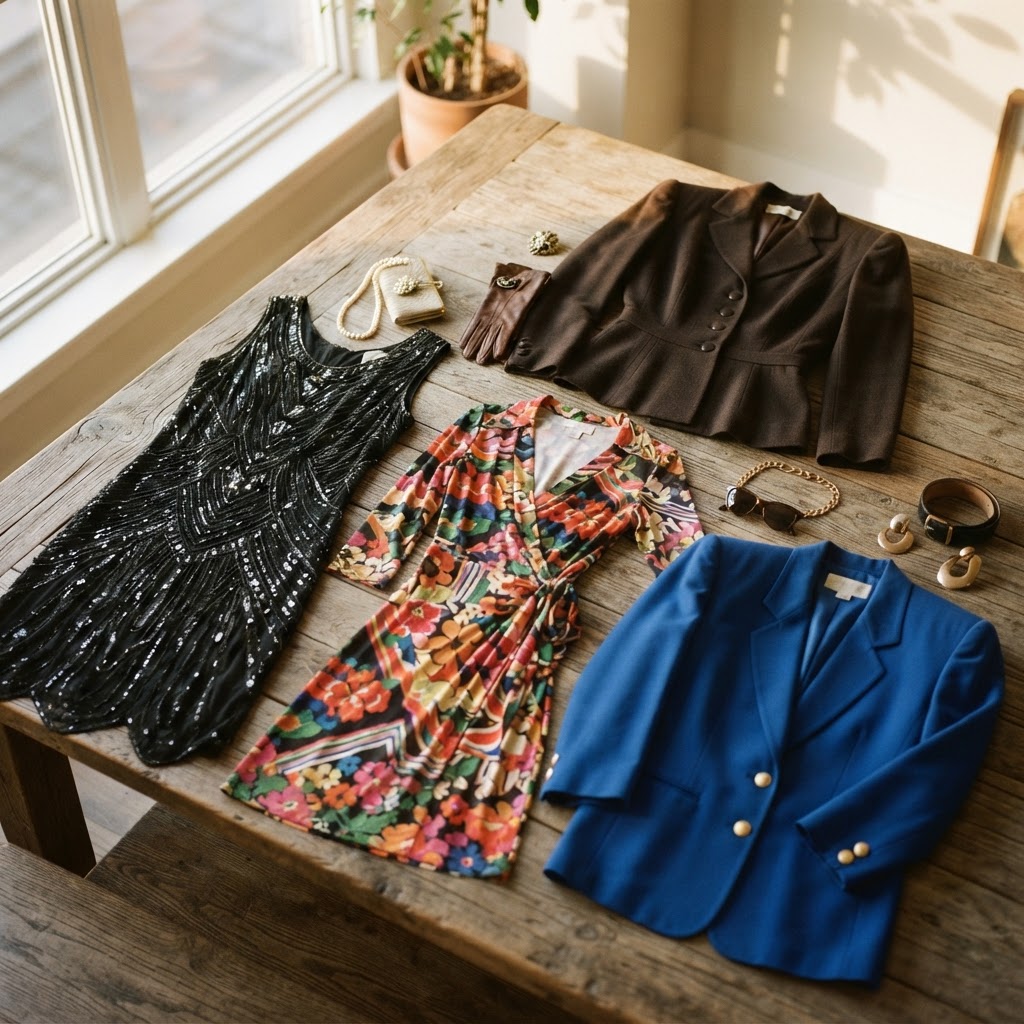
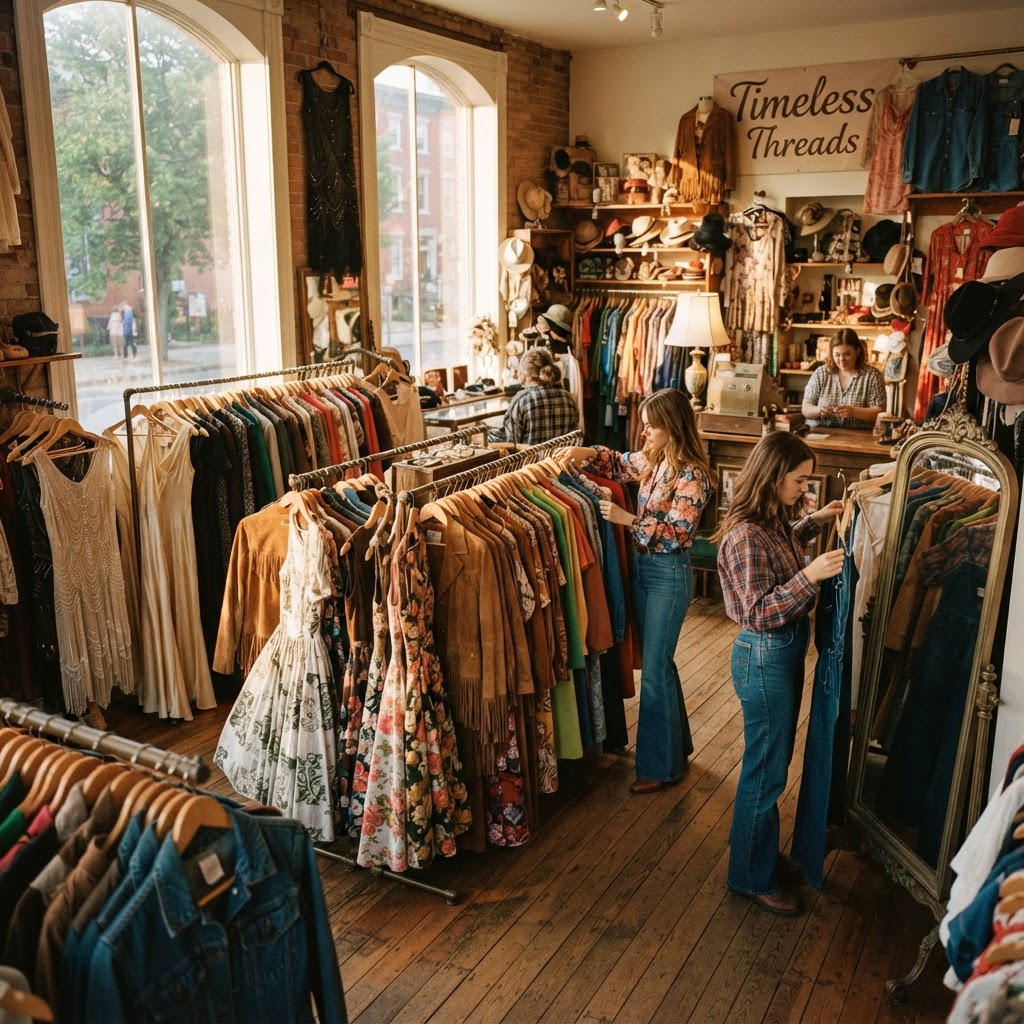
Dreaming of a closet filled with authentic vintage pieces but worried about the cost? Building a stunning vintage wardrobe doesn't have to break the bank. With the right strategies and a little patience, you can curate a collection that spans decades — all without emptying your wallet.
Vintage denim jackets are among the most coveted pieces in secondhand fashion — but knowing what yours is worth can feel like cracking a secret code. Whether you're sitting on a 1970s Levi's Type III or a 1990s distressed gem, pricing it right is the difference between a quick sale and a listing that collects digital dust. Read on for everything you need to know to price, photograph, and sell your vintage denim jacket like a pro.
Few style movements have reshaped global fashion as radically—or as permanently—as the streetwear born from 1990s hip-hop culture. What started as self-expression on the corners of Compton, Harlem, and Brooklyn became a multi-billion-dollar aesthetic force that still drives runways and resale markets today. At Ensemble, we dig into where it all began and why these pieces remain some of the most coveted vintage finds on the market.
Vintage denim jackets are having a serious moment — and savvy sellers are cashing in. Whether you've unearthed a 1970s Levi's Type III or a perfectly faded 1990s Guess denim, knowing how to price and present your piece can mean the difference between a quick sale and a listing that collects digital dust. Here's everything you need to know to move your vintage denim with confidence.
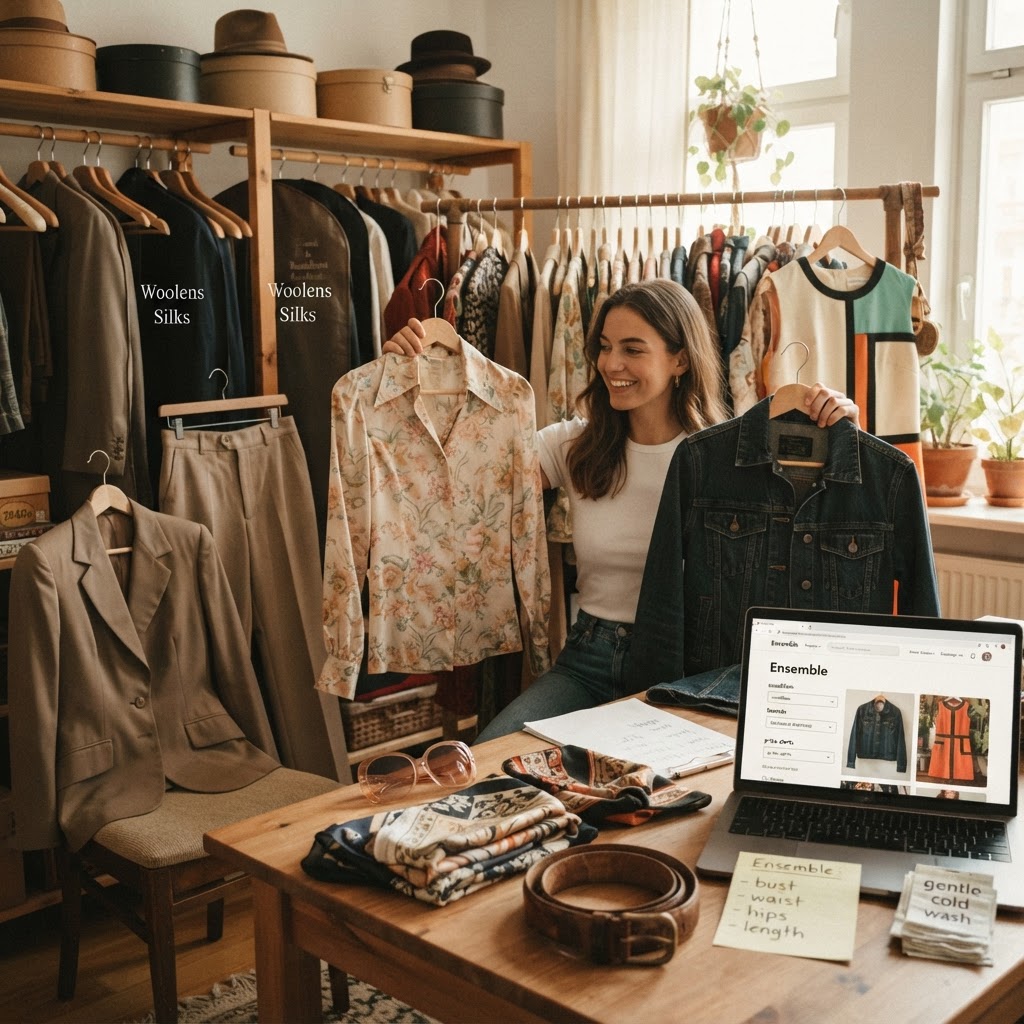
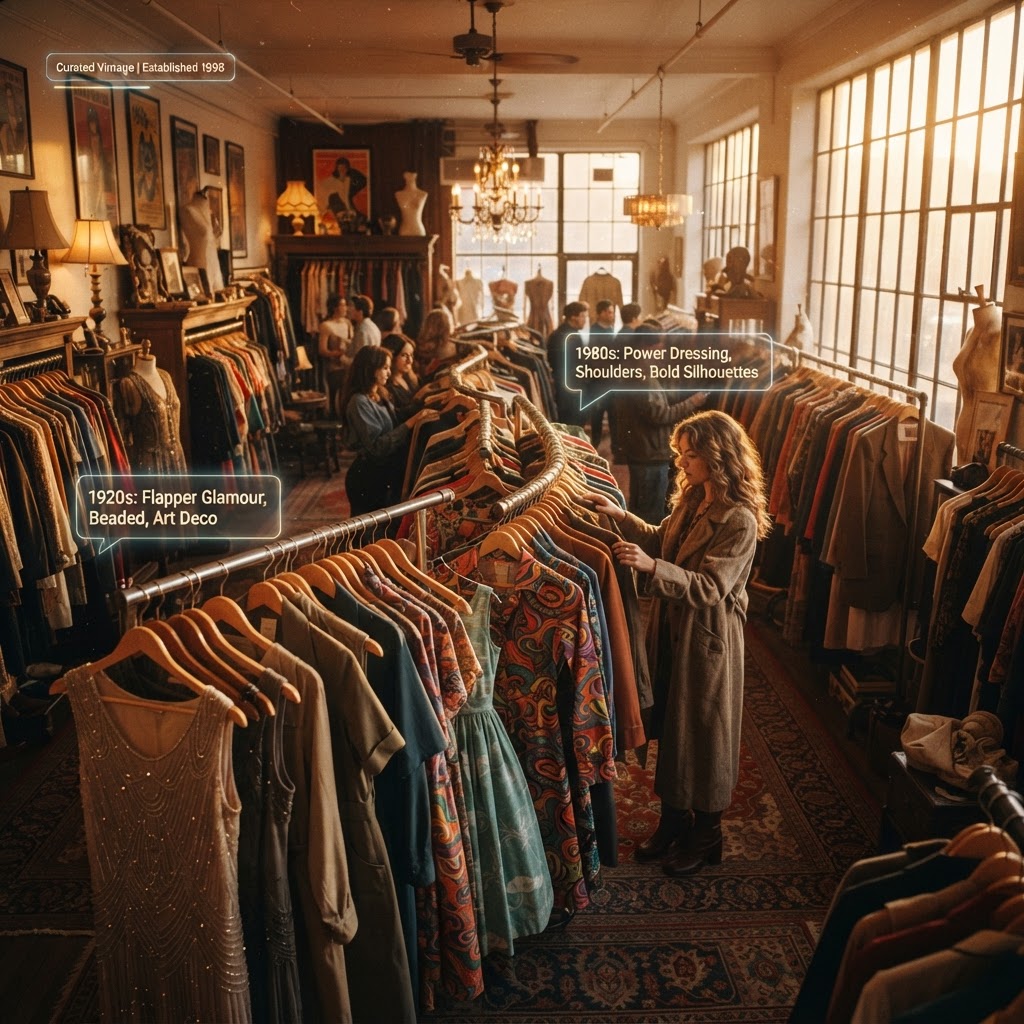
Vintage fashion has exploded from a niche hobby into a multi-billion-dollar global movement — and the marketplaces powering that shift are evolving fast. As shoppers grow savvier and more sustainability-conscious, the bar for curation, authenticity, and trust has never been higher. Here's how we got here, and what makes Ensemble a different kind of destination entirely.
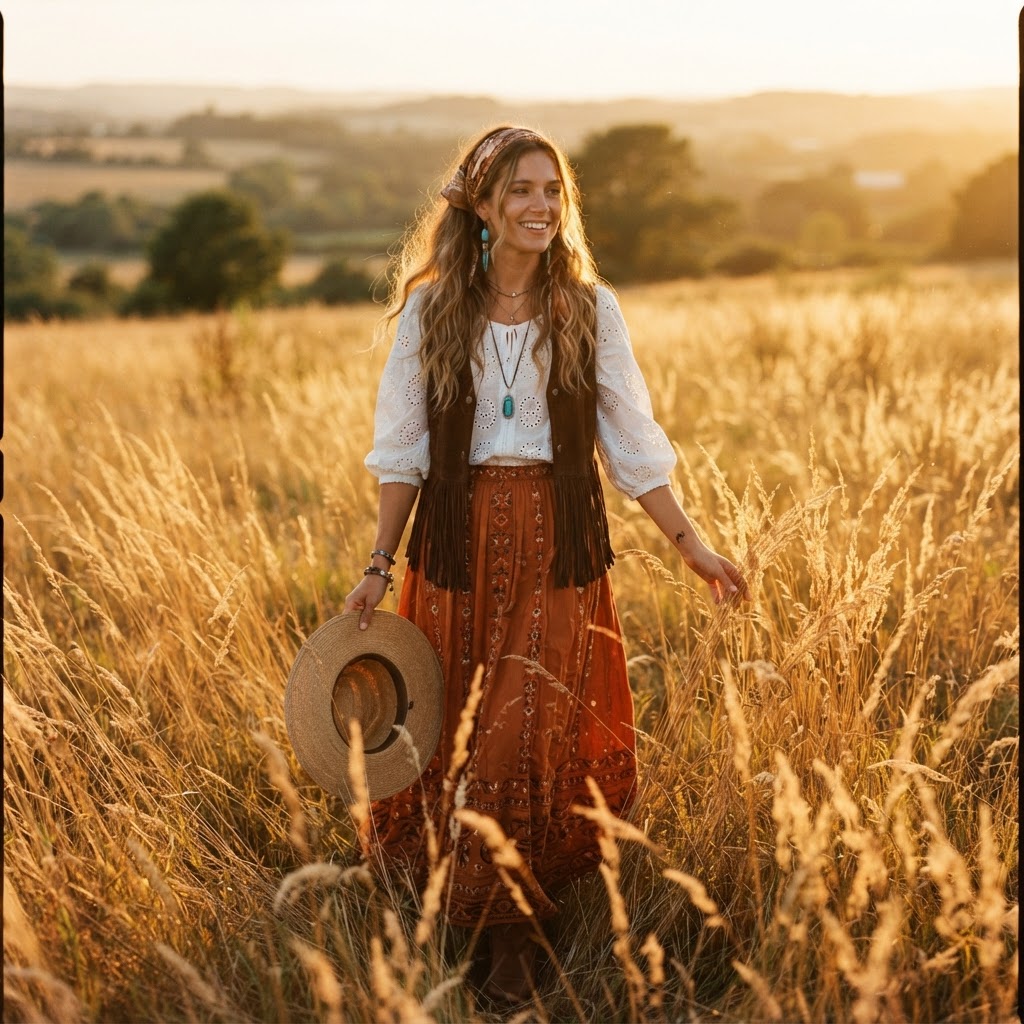
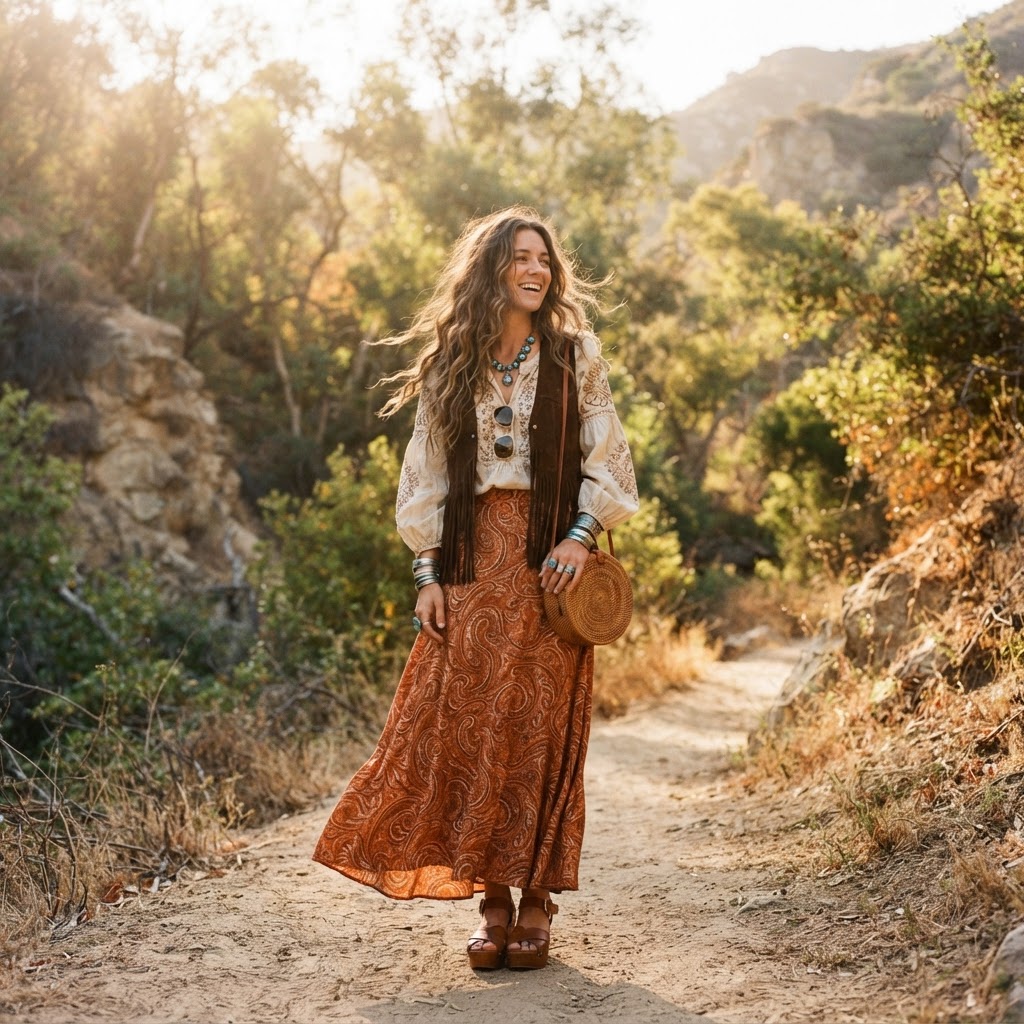
The free-spirited, earthy aesthetic of 1970s boho fashion is making a serious comeback — and it's easier than ever to work vintage pieces into your daily wardrobe. Whether you're drawn to flowing maxi skirts, fringed suede jackets, or wooden platform clogs, the key is balancing retro charm with contemporary sensibility. Read on to discover how to wear authentic 70s boho finds in a way that feels fresh, intentional, and totally wearable today.
The secondhand fashion revolution isn't slowing down — it's accelerating. As shoppers seek authenticity, sustainability, and one-of-a-kind style, vintage marketplaces have exploded onto the scene. But not all platforms are created equal, and if you're a seller with a serious eye for the authentic, Ensemble was built with you in mind.
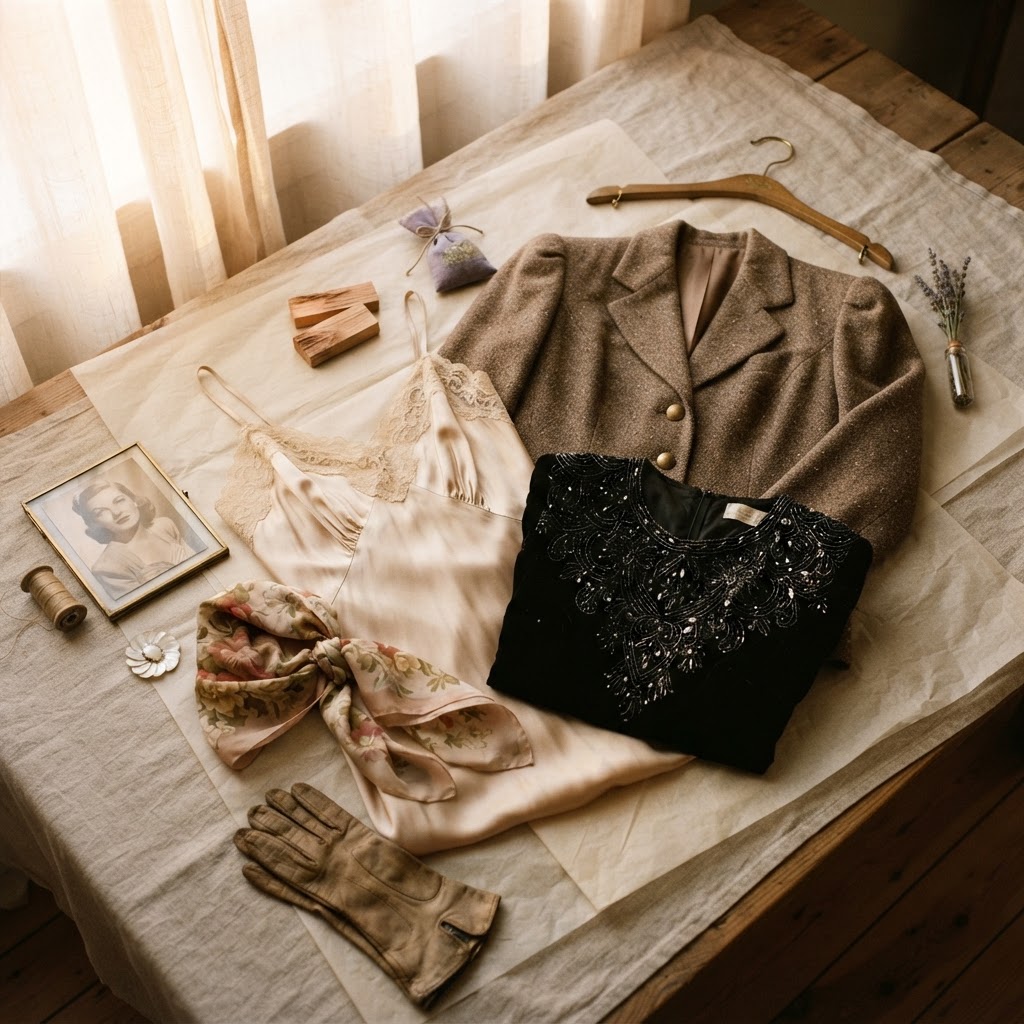
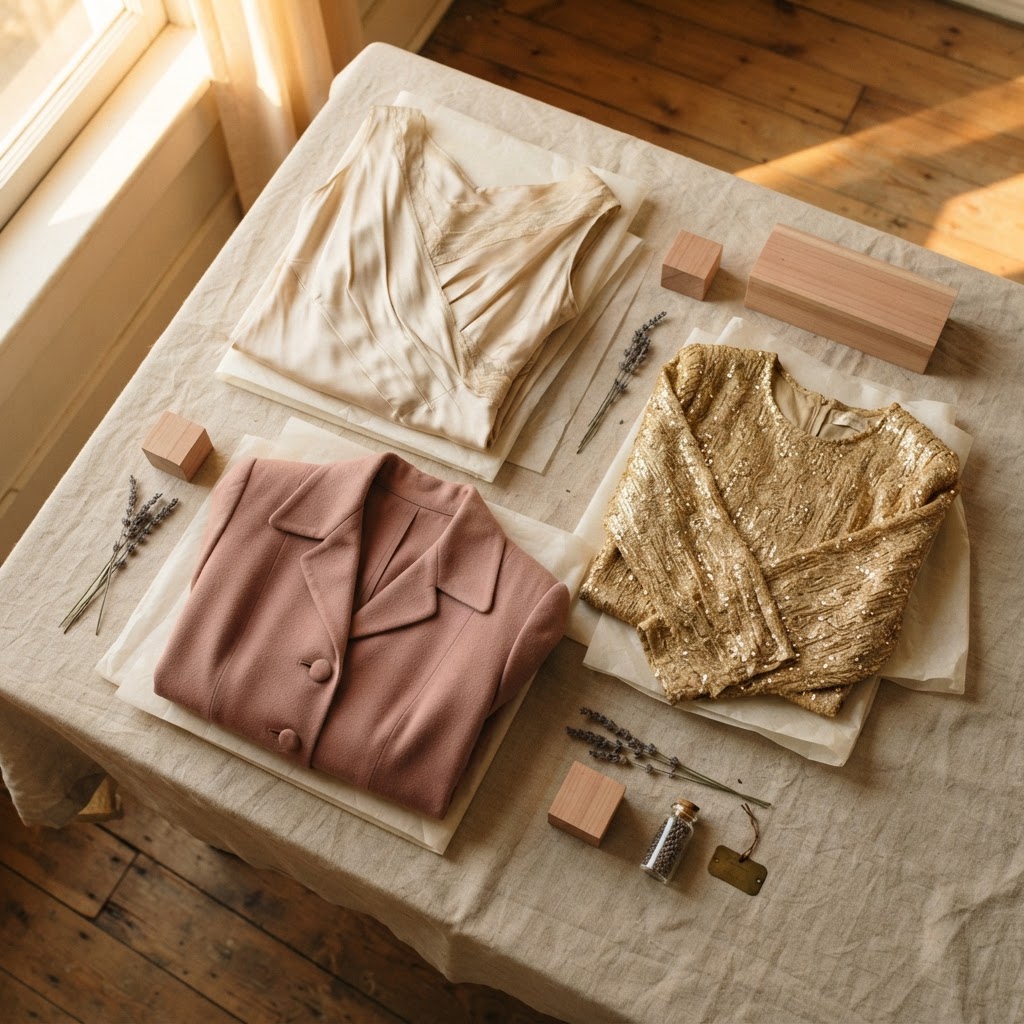
Vintage clothing carries decades of history in every fiber, seam, and stitch — but that history can unravel without the right care. Whether you've just scored a 1940s silk blouse or a 1980s power blazer, knowing how to properly clean, store, and preserve your pieces is essential. Follow this guide to keep your vintage wardrobe looking beautiful for decades to come.
Your personal style isn't something you stumble upon in a single shopping trip — it's a story told through decades of design, silhouette, and culture. Vintage fashion offers a living archive of every aesthetic that has ever captivated the human imagination. Here's how to use it to finally figure out what makes you feel most like yourself.
The 1950s aesthetic has never gone out of style — but not everything that looks mid-century actually is. Whether you're building a serious collection or hunting for a statement piece, knowing how to tell genuine 1950s vintage from a modern reproduction can save you money and keep your wardrobe historically honest. Here's everything you need to know before you buy.
Shopping for pre-loved fashion is thrilling — but the terminology can get confusing fast. Is that 1980s blazer vintage or retro? Does a 1910s beaded gown count as antique? We're breaking down the differences once and for all so you can shop, style, and talk fashion like a true connoisseur.
The vintage fashion world is changing fast, and savvy sellers are discovering that AI-powered marketplaces aren't just a tech trend — they're a competitive advantage. From smarter pricing to faster discovery, artificial intelligence is reshaping how authentic pieces from the 1920s through the 2010s find their forever homes. Here's what every vintage seller needs to know.
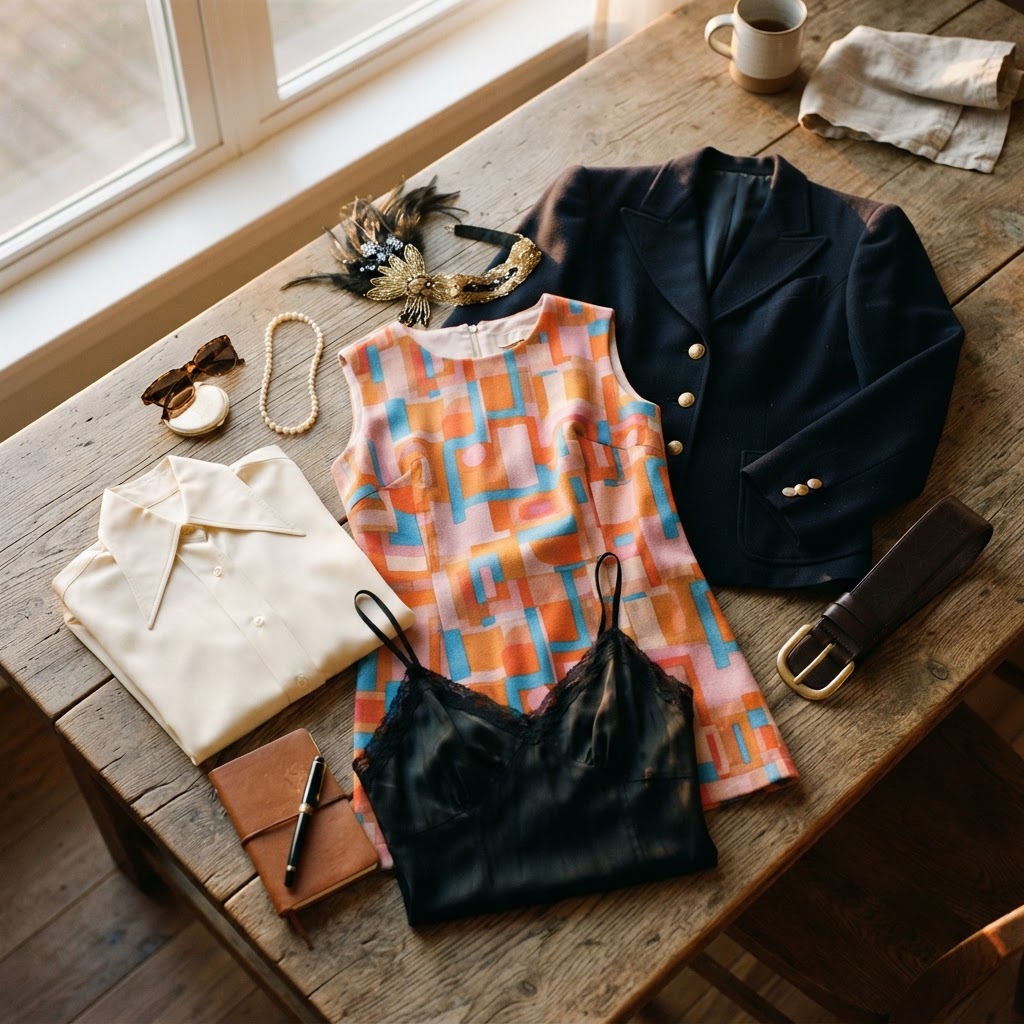
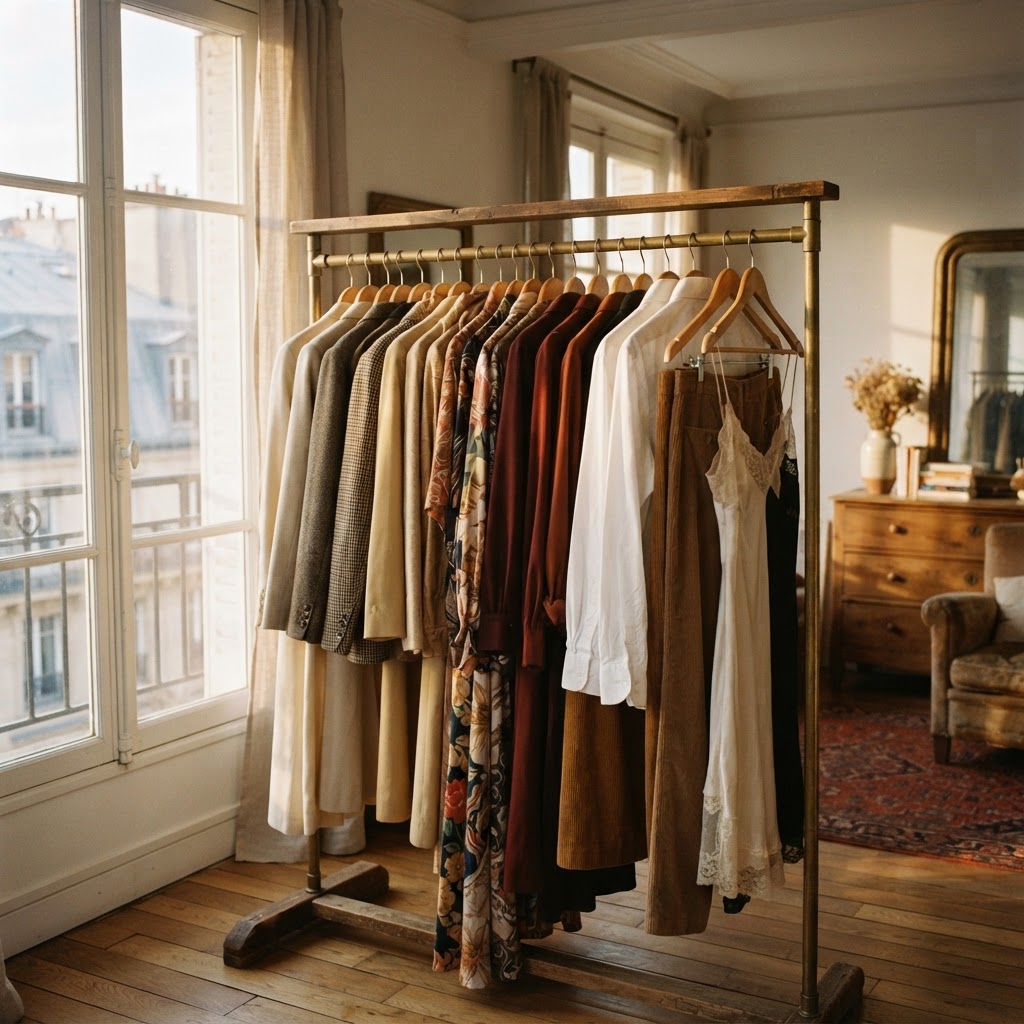
A capsule wardrobe isn't just a modern minimalist trend — it's a philosophy that vintage fashion has embodied for decades. By curating a small, intentional collection of authentic pieces from the past, you can dress with more personality, sustainability, and style than any fast-fashion haul could ever offer. Here's how to build yours the right way.
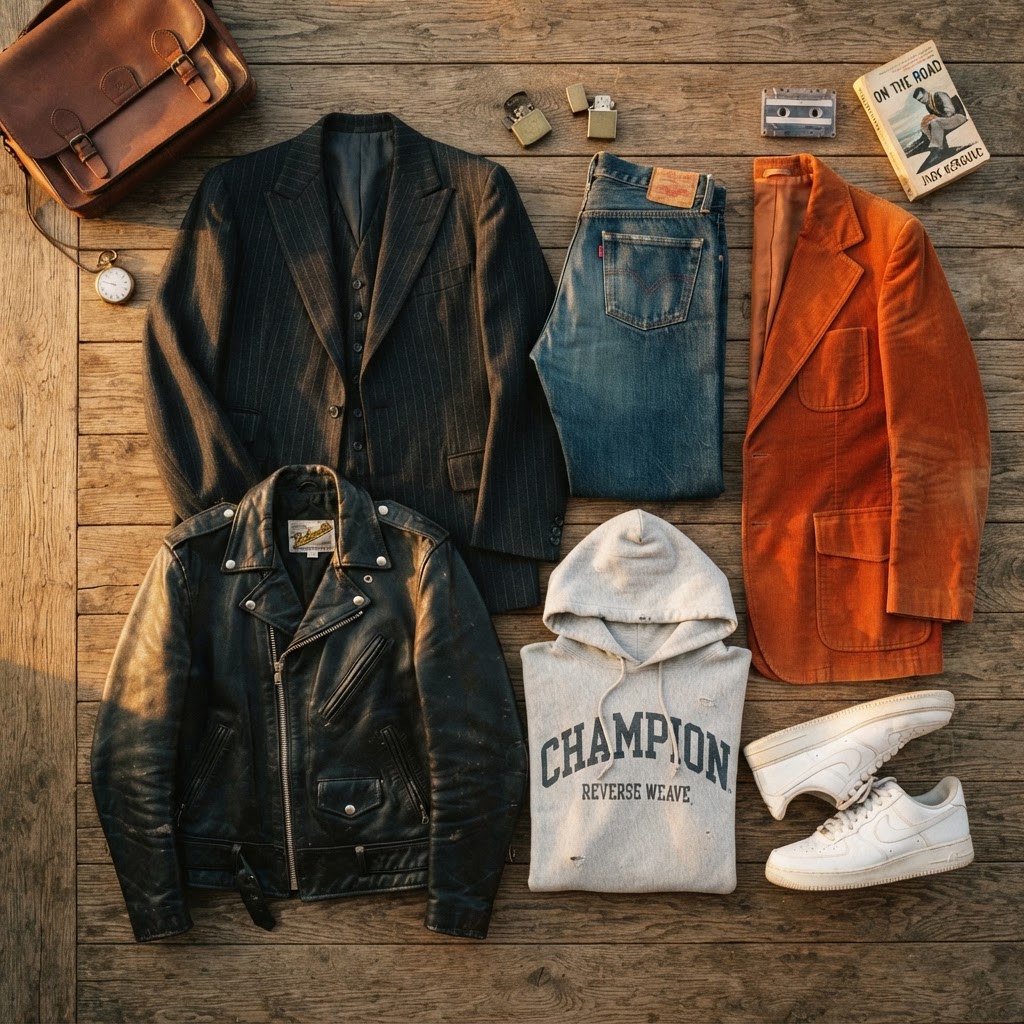
From the dapper double-breasted suits of the 1920s to the ironic graphic tees of the 2000s, men's vintage fashion is a goldmine of timeless style. Whether you're a seasoned collector or just dipping your toes into the world of pre-owned clothing, knowing what to look for — and why — makes all the difference. This decade-by-decade guide will walk you through the most coveted men's vintage pieces, helping you build a wardrobe with real history and undeniable character.
Artificial intelligence is quietly transforming the vintage fashion world, making it easier than ever to find, authenticate, and price those rare gems from decades past. Whether you're a seasoned collector or a first-time thrifter, AI-powered tools are changing every step of the buying and selling journey. Here's what you need to know to stay ahead of the curve.
The vintage fashion market has exploded into a multi-billion dollar industry, transforming the way buyers and sellers connect over clothing that carries history in every stitch. But not all vintage marketplaces are created equal. Here's what's driving the rise of resale culture — and why Ensemble stands apart from the crowd.
Few decades left as explosive a mark on fashion history as the 1960s, and at the heart of that revolution was the mod movement — a bold, youthful rebellion stitched in geometric prints and mini hemlines. From the boutiques of Carnaby Street to the runways of today's biggest designers, mod style has never truly gone out of fashion. If you're a vintage seller, understanding this movement isn't just a history lesson — it's a blueprint for curating pieces that buyers actively seek out.
Few fashion movements have reshaped global style as profoundly as 1990s hip-hop streetwear. Born in the housing projects and recording studios of New York, Los Angeles, and Atlanta, these looks went from the street corner to the cover of Vogue in under a decade. Whether you're a seasoned collector or a first-time vintage buyer, understanding the roots of this culture will help you shop smarter — and wear history with intention.
If you've ever listed a piece as 'vintage' only to have a buyer question your description, you're not alone. The terms vintage, antique, and retro are tossed around constantly in the fashion world — but they don't mean the same thing. Getting these labels right isn't just about accuracy; it's about building trust, attracting the right buyers, and selling faster.
A capsule wardrobe isn't just a minimalist trend — it's a philosophy that vintage dressing has quietly championed for decades. By curating a tight collection of timeless, high-quality pieces, you can dress with intention, sustainability, and undeniable style. Here's how to build yours using authentic vintage finds from across the 20th century.
Few fashion movements have left as bold a mark on style history as the 1960s mod scene — a revolution stitched together from bold geometry, rebellious youth energy, and a fierce desire to break free from the past. Whether you're a seasoned vintage seller or just beginning to curate your shop, understanding mod fashion's origins and enduring influence can help you better describe, price, and market these iconic pieces. Read on to discover the full story behind one of the twentieth century's most electrifying style moments.
Vintage denim jackets are some of the most sought-after pieces in the secondhand market, but knowing what yours is worth — and how to sell it — can feel overwhelming. Whether you're clearing out a closet or building a serious reselling business, pricing vintage denim correctly is the difference between a quick sale and a listing that sits for months. Here's everything you need to know to sell smarter.
The vintage fashion world is changing fast, and savvy buyers are leading the charge toward AI-powered marketplaces that make finding authentic pieces easier than ever. From smarter search tools to instant authentication insights, technology is reshaping how collectors shop for everything from 1930s silk bias-cut gowns to 1990s grunge staples. If you're a seller, understanding this shift isn't optional — it's your competitive edge.
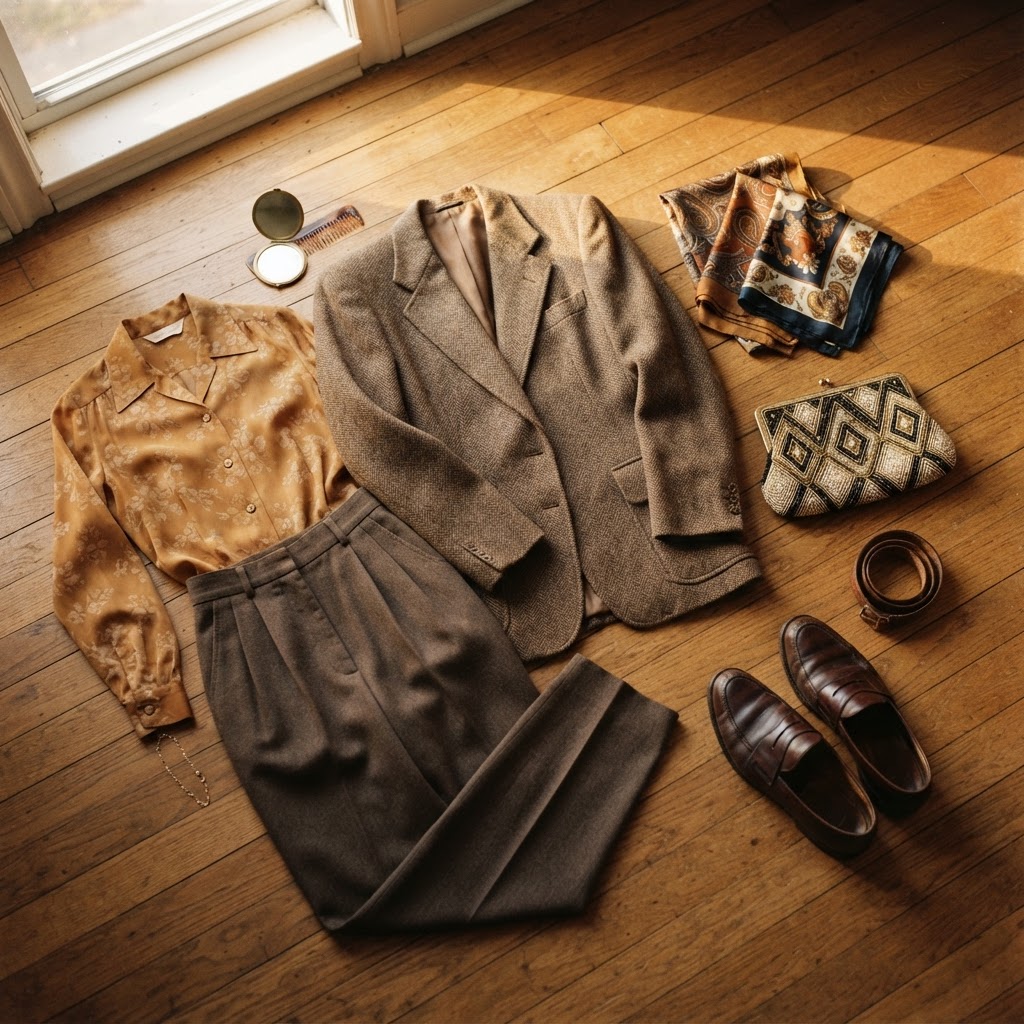
A stunning photograph can mean the difference between a quick sale and a listing that lingers for months. Whether you're selling a 1940s swing dress or a 1980s power blazer, the right lighting and styling choices tell the story behind every garment. Master these techniques and watch your vintage pieces find the homes they deserve.
A stunning photograph can mean the difference between a vintage gem sitting unsold for months and a bidding war that sends it to its perfect new home. Whether you're listing a 1940s swing dress or a 1980s power blazer, the way you present your piece tells its story before a single word is read. Master these lighting and styling techniques and watch your Ensemble listings shine.
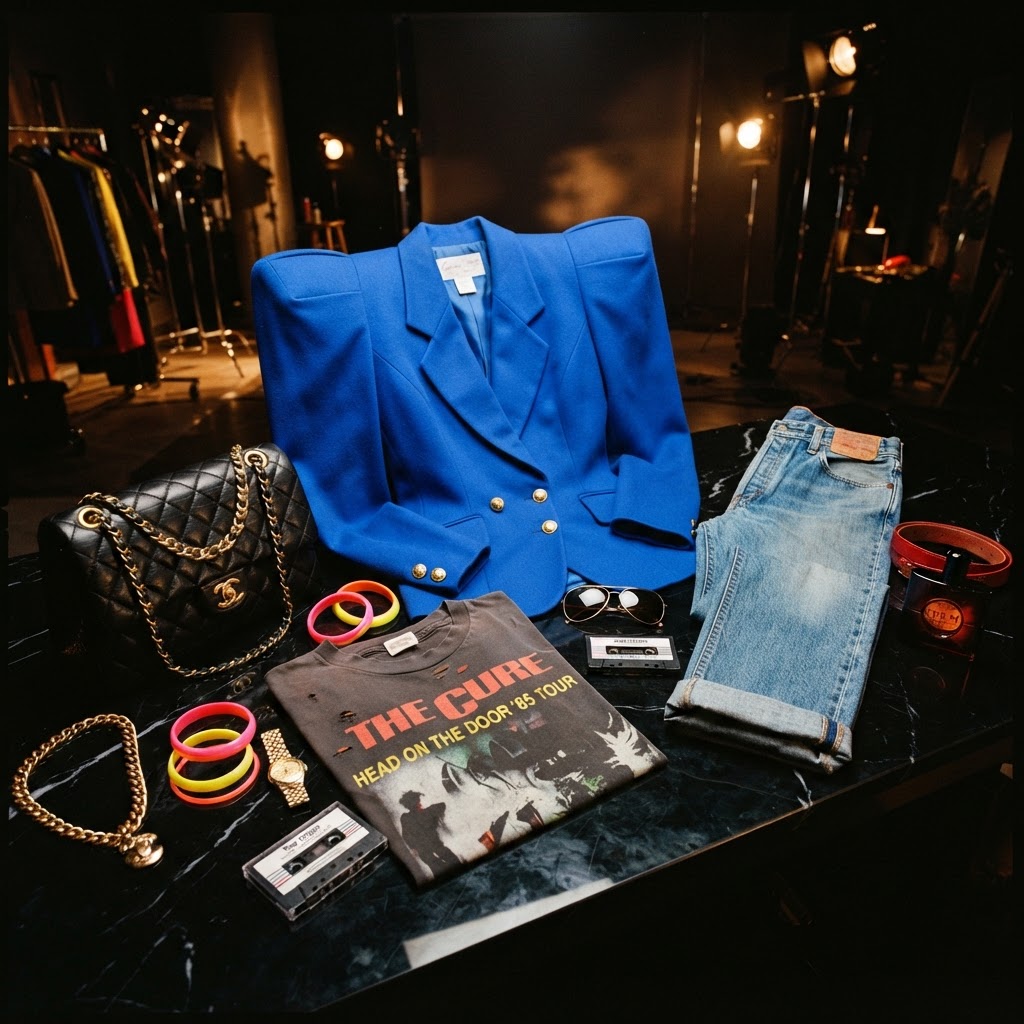
The 1980s were a decade of fearless excess, bold experimentation, and unforgettable style — and today, those iconic pieces are more coveted than ever. Whether you're a seasoned collector or just beginning your vintage journey, knowing which '80s finds are truly worth hunting is essential. Here's your definitive guide to the ten vintage fashion pieces from the 1980s that belong on every serious collector's radar.
The vintage fashion world is undergoing a quiet revolution, and savvy buyers are leading the charge. AI-powered marketplaces are transforming how shoppers discover, authenticate, and purchase clothing from decades past — and sellers who understand this shift stand to benefit enormously. Here's everything you need to know about the trend reshaping the resale landscape.
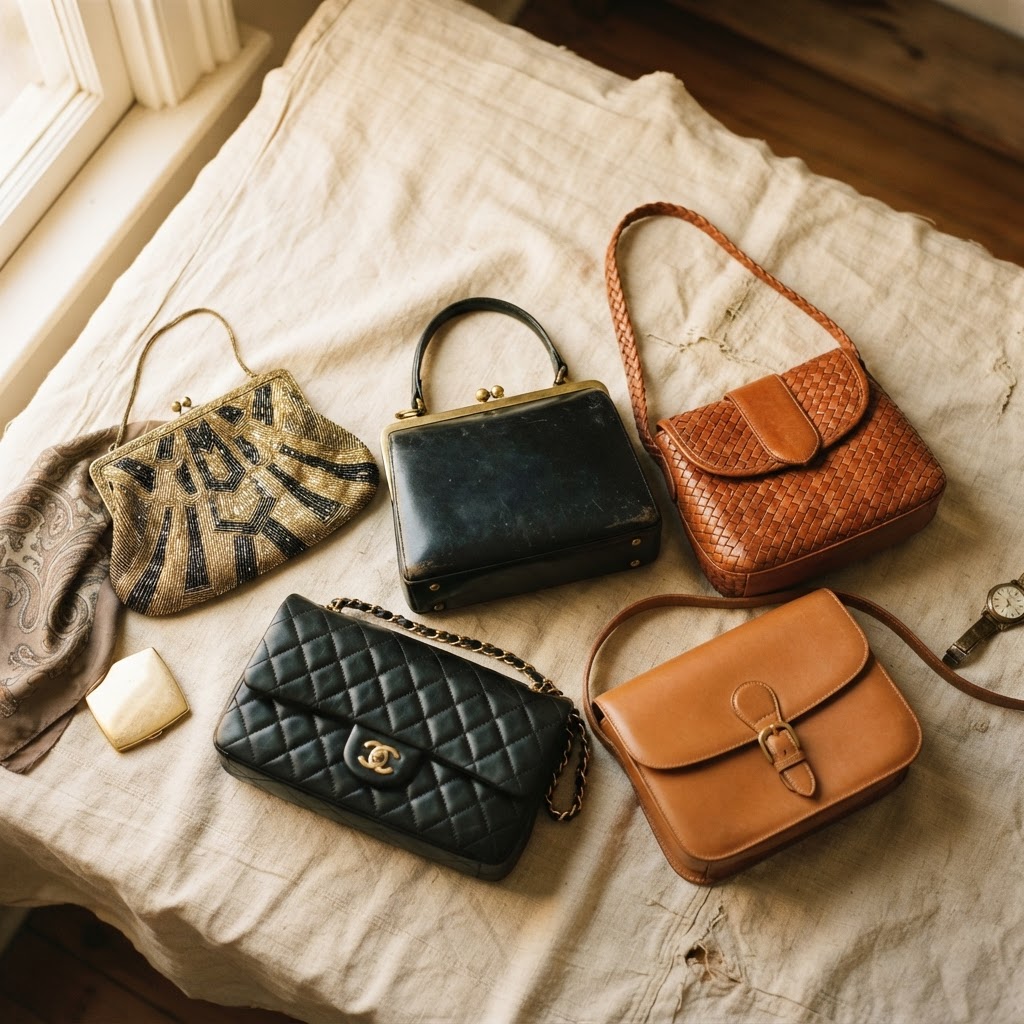
A truly authentic vintage handbag is more than an accessory — it's a wearable piece of fashion history. But the vintage market is filled with reproductions, misattributed pieces, and well-meaning mistakes that can cost you dearly. Whether you're hunting for a 1940s structured frame bag or a 1990s logomania mini, here's exactly what to look for before you buy.
The 1950s gave us some of the most iconic silhouettes in fashion history — full circle skirts, cat-eye glamour, and perfectly tailored wiggle dresses. But with the decade's enduring popularity, the market is flooded with modern reproductions that can fool even seasoned shoppers. Here's how to tell the real deal from a convincing copy.
Between the roaring euphoria of the Jazz Age and the quiet resilience of the wartime home front, fashion between 1920 and 1949 told stories that no history book could fully capture. These were decades of radical self-reinvention, political upheaval, and extraordinary creativity — and the clothes people wore were the most intimate record of all. What can the hemlines, silhouettes, and fabrics of this era still teach us today?
Vintage clothing tells a story — but only if it survives long enough to be worn again. Whether you're curating a collection to sell on Ensemble or safeguarding treasured pieces between listings, proper care can mean the difference between a garment that lasts decades and one that crumbles in your hands. Here's everything you need to know about preserving vintage clothing at home.
Few style movements have reshaped global fashion as profoundly as 1990s hip-hop streetwear. What began as a creative language born in urban neighborhoods became a billion-dollar aesthetic that still drives trends today. Whether you're a collector, a stylist, or simply a lover of authentic clothing, understanding this era is essential to appreciating how culture and fashion collide.
The 1970s bohemian aesthetic never really left — it just waited for the right moment to come back stronger than ever. With flowing silhouettes, earthy tones, and a carefree attitude that feels revolutionary even now, 70s boho is the decade-defining style that translates effortlessly into modern wardrobes. Whether you're a seasoned vintage collector or a curious newcomer, here's how to channel that free-spirited decade without looking like you raided a costume shop.
Great vintage pieces deserve great photography. Whether you're listing a 1970s boho maxi dress or a crisp 1950s wiggle skirt, the right lighting and styling can mean the difference between a scroll-past and a sold sticker. Here's everything you need to know to make your vintage clothing shine online.