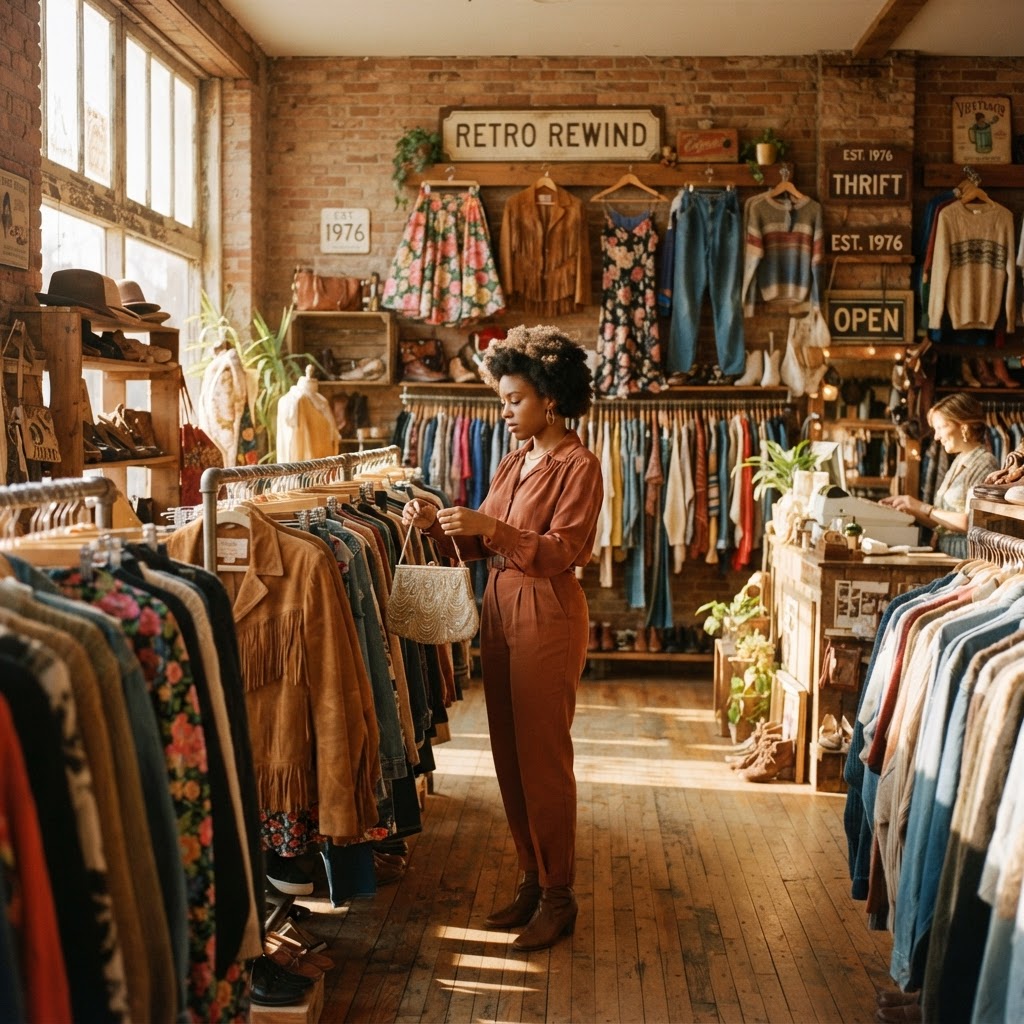
Building a Vintage Wardrobe on a Budget: Smart Thrift Shopping Tips for Every Decade
Dreaming of a wardrobe filled with authentic vintage pieces but worried about breaking the bank? Building a stunning collection of clothing from the 1920s through the 2010s doesn't have to cost a fortune. With the right strategy, a sharp eye, and a little patience, thrift shopping can transform your closet into a curated time capsule.
Why Vintage Fashion Is Worth the Hunt
There's something deeply satisfying about wearing a piece of clothing that has lived a life before yours. A 1970s suede fringe jacket, a 1950s circle skirt, or a 1990s slip dress carries with it the energy of another era — and often, the craftsmanship to match. Vintage fashion isn't just a style choice; it's a sustainable, historically rich, and endlessly rewarding way to dress. The best part? With a smart approach, you don't need a designer budget to build a wardrobe you'll love for decades.
Whether you're a seasoned thrifter or just getting started, these tips will help you shop smarter, spend less, and find pieces that truly stand the test of time.
Know Your Decades Before You Shop
One of the biggest mistakes new vintage shoppers make is diving into thrift stores without a basic understanding of what they're looking for. Each decade has its own silhouettes, fabrics, construction methods, and labels — and knowing the difference can mean the gap between a $5 treasure and a $5 mistake.
- 1920s–1940s: Look for bias-cut fabrics, rayon, wool crepe, and intricate beading. Buttons are often made of glass, shell, or Bakelite.
- 1950s: Full skirts, structured bodices, cotton shirtwaists, and early synthetic blends like nylon and acetate are hallmarks of this era.
- 1960s–1970s: Mod geometric prints, polyester knits, wide lapels, bell bottoms, and bold color blocking define these decades.
- 1980s: Power shoulders, oversized blazers, stirrup pants, and neon hues are your guides.
- 1990s–2000s: Minimalist slip dresses, logo-heavy streetwear, cargo pants, and low-rise denim rule this era.
Spend some time before your shopping trips studying fashion history resources — even a quick image search of "1960s fashion" can train your eye faster than you'd think.
Set a Budget and Stick to a List
Budget shopping requires discipline. Before you walk into any thrift store or browse any online marketplace, write down a wish list of specific items you're looking for. Are you building a 1970s bohemian wardrobe? Or curating a sleek 1990s minimalist capsule? Having a clear vision prevents impulse purchases that clutter your closet and drain your wallet.
A practical starting budget for building a solid vintage wardrobe:
- $10–$20 per piece at physical thrift stores
- $25–$60 per piece at curated online vintage marketplaces
- $5–$15 per piece at estate sales and flea markets
Remember: condition, rarity, and authenticity all affect price. A pristine 1940s beaded evening gown will rightly cost more than a 1990s band tee. Prioritize pieces that are versatile, in good condition, and that fill genuine gaps in your wardrobe.
Master the Thrift Store Visit
Physical thrift stores like Goodwill, Salvation Army, and local charity shops remain the most budget-friendly hunting grounds for vintage clothing. Here's how to maximize every visit:
Go often and go early. Inventory turns over constantly, and the best pieces get snatched up quickly. Many stores restock on specific days of the week — ask the staff and plan accordingly.
Shop by fabric, not by style. Train yourself to run your hands along the racks feeling for natural fibers — wool, silk, cotton, and linen. Synthetics from earlier decades (like 1970s polyester) are also worth grabbing. Modern fast fashion tends to feel thin and flimsy; older garments have a different weight and hand.
Check the men's section. Some of the best vintage blazers, flannel shirts, denim jackets, and workwear pieces are hiding in the men's racks, regardless of your gender.
Inspect every piece carefully. Hold items up to the light to check for thin spots, staining, or moth holes. Check seams, zippers (metal zippers often indicate pre-1970s pieces), and button quality. Minor flaws are often fixable; structural damage usually isn't worth it.
Learn to read labels. Union labels, care instruction labels (required in the U.S. after 1971), and country-of-origin tags are all clues to a garment's age. A label that reads "Made in USA" with no care instructions likely predates 1971. RN numbers on labels can be looked up online to date a piece fairly precisely.
Estate Sales, Flea Markets, and Swap Meets
If you haven't explored estate sales, you're missing one of the richest veins of authentic vintage clothing. Estate sales often feature entire wardrobes from one person's lifetime — meaning you can find cohesive, era-specific collections that haven't been picked over by resellers.
Flea markets and swap meets are similarly fertile ground, especially in older cities. Arrive early, bring cash (many vendors don't take cards), and don't be afraid to negotiate respectfully. Sellers at these venues often price pieces to move, especially toward the end of the day.
Pro tip: Build relationships with vendors. If a flea market dealer knows you're specifically looking for 1950s housedresses or 1980s windbreakers, they may set pieces aside for you before they hit the table.
Smart Online Thrifting
The internet has revolutionized vintage shopping, making it possible to find incredibly specific pieces without leaving your home. Platforms range from large general resale sites to highly specialized vintage marketplaces. When shopping online:
- Read measurements carefully — vintage sizing runs very differently from modern sizing. A vintage "size 14" from the 1950s is not the same as a modern size 14.
- Ask for detailed photos of any flaws, the label, and the lining.
- Research comparable sales before buying to ensure you're getting fair value.
- Factor in shipping costs when comparing prices.
For buyers who want authentication and curation without the endless scroll, dedicated vintage marketplaces offer a significant advantage over general resale platforms.
Care, Repair, and Alteration
Building a budget vintage wardrobe isn't just about buying — it's about maintaining what you find. Learn basic hand-stitching to repair small tears and loose buttons. Invest in a fabric steamer (gentler than ironing for most vintage pieces), cedar blocks for wool storage, and padded hangers for structured garments.
Major alterations can breathe new life into a piece that's close to perfect but not quite right. A trusted tailor can take in seams, shorten hems, or replace damaged linings for far less than a comparable new garment would cost. Think of it as an investment in a piece you'll wear for years.
Build Intentionally, Not Impulsively
The best vintage wardrobes aren't built overnight — they're assembled with intention and patience. Focus on quality over quantity, choosing pieces that work with multiple outfits rather than one-trick novelties. A 1960s mod shift dress, a 1970s leather belt, or a 1990s oversized denim jacket can anchor dozens of looks.
Keep a running list of what you already own and what you're still seeking. Photograph your pieces and experiment with combinations. The goal is a wardrobe where everything earns its place.
Conclusion: Your Next Chapter Starts at Ensemble
Building a vintage wardrobe on a budget is entirely achievable — it just requires knowledge, patience, and a willingness to look in unexpected places. From dusty thrift store racks to estate sale living rooms, the pieces are out there waiting to be found.
When you're ready to skip the treasure hunt and shop with confidence, Ensemble is here for you. Our marketplace is stocked with authenticated vintage clothing spanning the 1920s through the 2010s, curated for quality and priced fairly. Whether you're searching for a show-stopping 1940s gown or the perfect 1990s bomber jacket, Ensemble makes it easy to find exactly what your wardrobe needs — without compromising on authenticity or your budget. Explore the collection today and find the piece that becomes your next favorite story to tell.