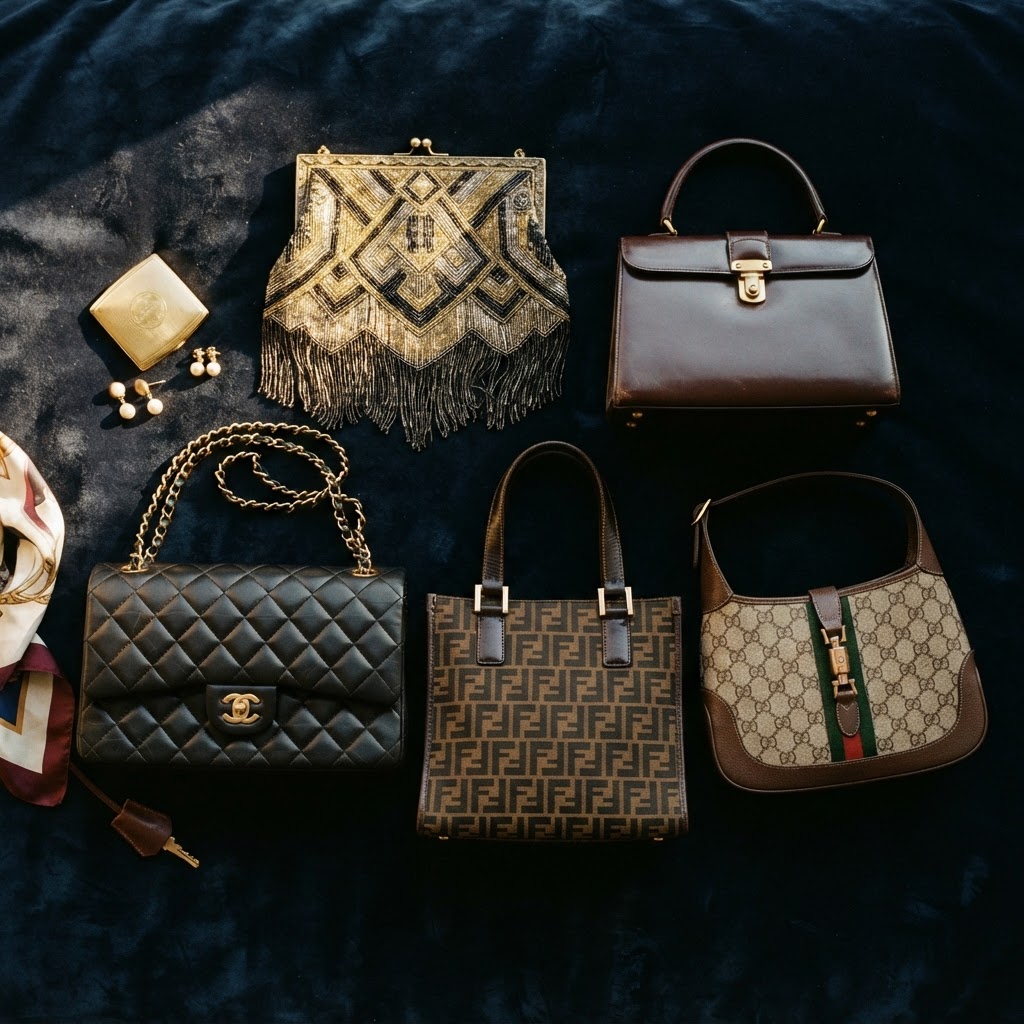
How to Spot an Authentic Vintage Handbag: A Decade-by-Decade Shopping Guide
Vintage handbags are among the most coveted accessories in the secondhand fashion world — but they're also among the most frequently misrepresented. Whether you're hunting for a sleek 1960s structured clutch or a bold 1980s power bag, knowing what to look for can mean the difference between a true treasure and a clever imitation. Here's everything you need to know before you shop.
Why Vintage Handbags Deserve Extra Scrutiny
Handbags have always been status symbols, which means they've always attracted fakes. But authenticating a vintage bag isn't just about spotting counterfeits — it's also about understanding the natural aging process, the evolution of manufacturing techniques, and the design language of each era. A bag from 1955 should feel different from one made in 1985, and knowing why is half the battle.
Whether you're a seasoned collector or a first-time vintage shopper, this guide will walk you through the key markers of authenticity across the decades, so you can shop with confidence.
1920s–1940s: The Age of Craftsmanship
Handbags from this era were made to last. Artisans took pride in construction, and that pride is visible in every stitch.
What to look for:
- Hand-stitching or early machine stitching: Stitches should be even but may show slight imperfections consistent with the technology of the time. Perfectly uniform stitching on a claimed 1930s bag is a red flag.
- Genuine materials: Alligator, crocodile, lizard skin, and high-quality leathers were common. Look for natural grain variations — real exotic skins are never perfectly uniform.
- Hardware: Clasps from the 1920s through 1940s were often made of brass, sterling silver, or bakelite. Check for tarnish patterns that develop naturally over decades. Shiny, lightweight clasps are suspect.
- Interior linings: Expect silk, satin, or fine moiré fabric. Look for period-appropriate labels or maker's marks — many bags from this era were produced by department stores like Bergdorf Goodman or specialty leather houses.
- Shape and silhouette: Reticules, beaded evening bags, and boxy structured frames were dominant. If the shape feels too modern or ergonomic, question the dating.
1950s–1960s: Structure, Elegance, and the Rise of the Brand
The postwar decades brought new prosperity and a new emphasis on branded accessories. This is the era when names like Gucci, Hermès, and Judith Leiber began to cement their reputations — and when authenticity documentation becomes more traceable.
What to look for:
- Date codes and serial numbers: Many European luxury houses began using internal date codes during the late 1950s and 1960s. Research the specific brand's coding system before purchasing.
- Structured frames: Ladylike box bags and top-handle styles defined the 1950s. The frames should feel solid and weighty, made of brass or gold-tone metal — not hollow or plastic.
- Mod influences in the 1960s: Look for geometric shapes, patent leather, and bold color-blocking. Vinyl bags were popular and legitimate in this era — don't dismiss them as lesser.
- Thread color matching: Authentic bags of this period typically used thread that closely matched the leather or fabric. Contrasting thread on a claimed 1950s bag is unusual unless it's a design detail.
- Zippers: Talon and Waldes Coats were the dominant zipper manufacturers of this era in the U.S. The brand name on the zipper pull can help date a bag.
1970s: Bohemian Leather and the Luxury Boom
The 1970s saw a split personality in handbag fashion: earthy, handcrafted leather bags on one side, and the explosive growth of logo-driven luxury on the other.
What to look for:
- Tooled and hand-dyed leather: Artisan bags from this decade often feature carved or stamped leather with natural dye variations. These inconsistencies are signs of authenticity, not flaws.
- YKK zippers: By the mid-1970s, YKK had become the dominant zipper manufacturer globally. Its presence is era-appropriate and even helpful for dating.
- Monogram fabrics: The 1970s were the golden age of the Louis Vuitton monogram resurgence and the rise of Gucci's GG canvas. Examine the pattern alignment — on authentic bags, monograms align precisely at seams.
- Natural oxidation on brass: Brass hardware from the 1970s will show a patina that develops over 50 years. It shouldn't look freshly polished unless the bag was professionally restored (which should be disclosed).
1980s: Power Bags and the Label Obsession
Big shoulders. Big hair. Big bags. The 1980s were maximalist in every sense, and the handbag market exploded with bold silhouettes, logo mania, and designer prestige.
What to look for:
- Quilted leather: The decade that made Chanel's quilted flap bag a cultural icon. Authentic quilting should be deep, uniform, and stitched through multiple layers — not surface-level or flimsy.
- Chain straps: 1980s chain straps were typically interwoven with leather and made of substantial gold-tone metal. Lightweight chains suggest a later reproduction.
- Bold color and hardware: Oversized gold hardware, shoulder bags with wide straps, and saturated jewel tones are hallmarks of the era. Verify that oxidation and wear patterns match the bag's claimed age.
- Dust bags and boxes: Bags from this decade increasingly came with branded dust bags. If a seller claims an original dust bag, check that the font and logo style match the period — brand identities evolved significantly over the decades.
1990s–2000s: The It-Bag Era
The It-bag phenomenon made certain styles instantly recognizable — and instantly imitated. The Fendi Baguette, the Dior Saddle, the Balenciaga Motorcycle bag: these pieces are among the most faked in the vintage market today.
What to look for:
- Authenticity cards and serial numbers: By the 1990s, most major luxury brands included authenticity cards with serial numbers that could be matched to the bag's internal stamp. Mismatched numbers are an immediate disqualifier.
- Logo hardware quality: On authentic pieces, embossed or engraved logos should be crisp, deeply set, and centered. Blurry or shallow engravings indicate a fake.
- Stitching count: Luxury brands are obsessive about stitch-per-inch counts. Research the expected count for your specific bag — this information is widely documented in collector communities.
- Material quality: The 2000s saw an increase in coated canvas and treated leathers. These materials should feel supple but structured, not stiff or plasticky, even after decades of storage.
2000s–2010s: Contemporary Vintage and Provenance Documentation
Bags from the 2000s and 2010s are only recently entering the vintage category, which means provenance documentation is more accessible — and more expected.
What to look for:
- Original receipts or certificates: Bags from this era may still have original purchase receipts, which significantly bolster authenticity claims.
- Consistent aging: A bag claimed to be from 2005 should show 20 years of consistent, even wear — not spotty aging that might suggest artificial distressing.
- Brand-specific authentication tools: Many luxury houses now offer digital authentication services. Use them.
Universal Tips for Every Decade
Regardless of the era, a few principles always apply:
- Smell the bag. Genuine aged leather has a distinctive, complex scent. New leather or synthetic materials trying to mimic old leather smell sharp, chemical, or simply wrong.
- Examine the edges. Authentic vintage bags have painted or burnished edges that show age-appropriate wear. Raw or peeling edges on a claimed luxury bag are a warning sign.
- Ask for provenance. A reputable seller should be able to tell you something about where the bag came from.
- Trust irregularity. Genuine vintage pieces carry the marks of time and use. Perfect condition on a 60-year-old bag should raise questions, not excitement.
Shop Smarter at Ensemble
At Ensemble, every handbag in our marketplace goes through a careful curation process designed to protect buyers and celebrate authentic vintage fashion. Our sellers are vetted, our listings are detailed, and our community of collectors is always ready to help you navigate a purchase. Whether you're searching for a beaded 1920s evening bag or a coveted 1990s It-bag, Ensemble is the place where every decade gets its due respect. Start exploring today — your next great find is waiting.