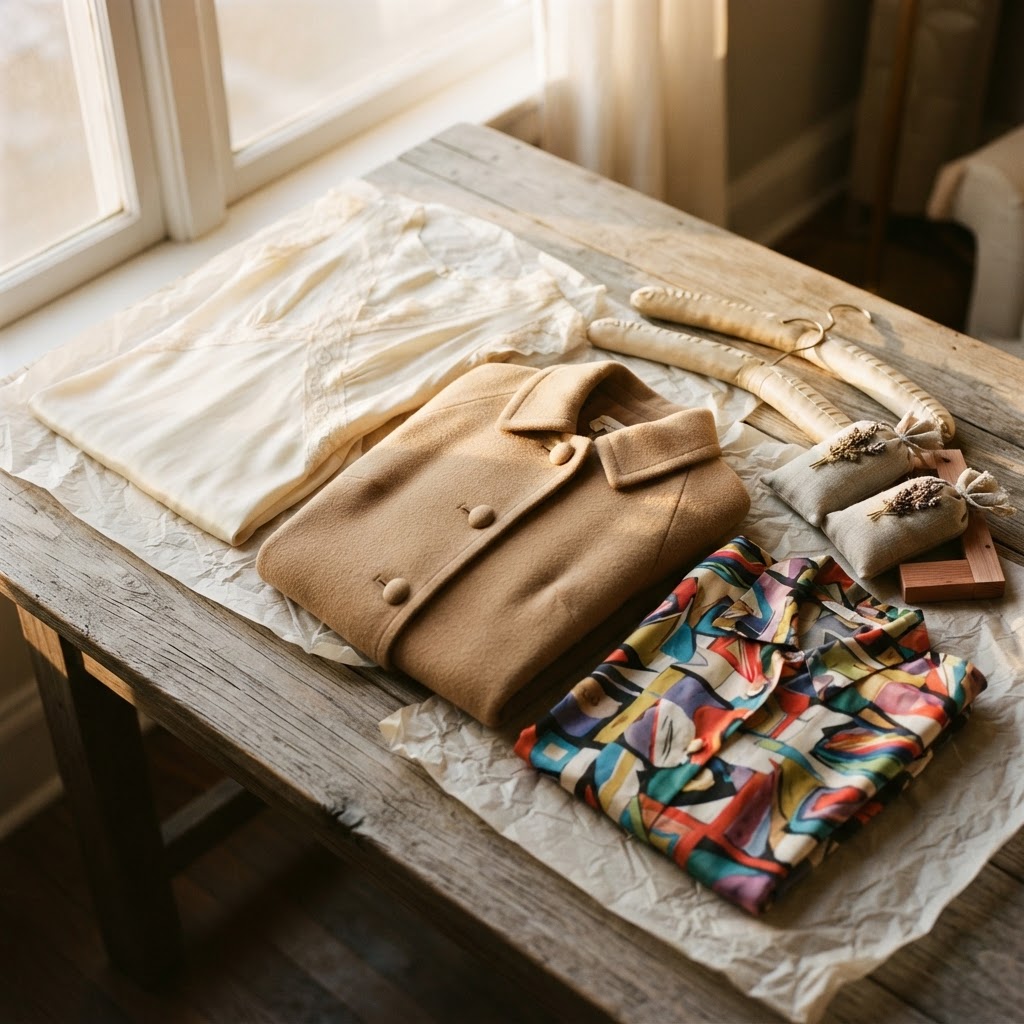
How to Care for and Preserve Vintage Clothing at Home: A Complete Guide
Vintage clothing is more than fabric and thread — it's wearable history. Whether you've just unboxed a 1940s silk blouse or a 1980s power blazer, knowing how to care for these treasures properly can mean the difference between decades more of wear and irreversible damage. This guide walks you through everything you need to keep your vintage pieces looking their best.
How to Care for and Preserve Vintage Clothing at Home: A Complete Guide
Vintage clothing carries stories in its seams. A beaded 1920s flapper dress, a crisp 1960s mod shift, a chunky-knit 1990s sweater — each piece is a artifact of its era, and unlike mass-produced fast fashion, these garments cannot simply be replaced. Caring for vintage clothing requires a little more patience and know-how than tossing a modern blouse in the washing machine, but the reward is a wardrobe that only gets more beautiful and meaningful over time.
Whether you're a seasoned collector or just beginning to explore the world of vintage fashion, these care and preservation tips will help you protect your investment and honor the craftsmanship of the past.
Start With a Thorough Assessment
Before you do anything else with a newly acquired vintage piece, inspect it carefully. Lay it flat on a clean white surface in good lighting and look for:
- Loose or missing buttons, snaps, or hooks
- Thin areas in the fabric that could tear under stress
- Old stains that may have oxidized or set
- Moth holes or signs of insect damage
- Fragile embellishments like beading, sequins, or embroidery
Understanding the condition of a garment before washing or wearing it will help you make smarter decisions. A piece with a weakened seam needs reinforcement before it goes anywhere near water or a hanger.
Identify Your Fabrics
One of the most important skills in vintage care is fabric identification. Different materials require radically different treatments, and vintage garments were often made from natural fibers that are more sensitive than today's synthetic blends.
- Silk: Incredibly delicate; avoid wringing, harsh chemicals, or prolonged sun exposure.
- Wool: Prone to shrinking and felting; always use cold water and a gentle touch.
- Rayon (viscose): Weak when wet; hand-wash only or dry clean.
- Cotton and linen: Generally hardier, but vintage cottons can be fragile with age.
- Acetate: Dissolves with acetone (nail polish remover) — keep all solvents away.
- Polyester and nylon (common from the 1960s onward): More forgiving, but still benefit from gentle handling.
If a garment has no label — common in pieces from the 1930s through early 1960s — do a burn test on a hidden loose thread to help identify fiber content, or consult a textile specialist.
Washing Vintage Clothing Safely
The golden rule of vintage laundry: when in doubt, hand wash or dry clean. Machine washing, even on a delicate cycle, can be too aggressive for aged fibers and construction.
Hand Washing
Fill a clean basin with cool or lukewarm water and add a small amount of a pH-neutral detergent specifically formulated for delicates (look for products free of enzymes, bleach, and optical brighteners, which can yellow or damage vintage fabrics). Gently submerge the garment and let it soak for no more than 10–15 minutes. Do not scrub or twist — instead, gently agitate the fabric with your hands. Rinse thoroughly with cool water until all soap is removed.
To remove excess water, lay the garment on a clean dry towel, roll it up gently, and press. Never wring out vintage fabric.
Dry Cleaning
For heavily embellished pieces, structured garments (like tailored jackets), or anything made from rayon or acetate, professional dry cleaning is often the safest choice. Seek out a dry cleaner experienced with vintage or couture clothing — they'll understand the nuances of aged fabrics and construction.
Spot Cleaning
For minor marks, try spot cleaning with a soft cloth dampened with cool water before committing to a full wash. Always test on a hidden area first.
Drying and Pressing
Never put vintage clothing in a dryer. The heat and tumbling action are too harsh for fragile fibers and can cause irreversible shrinkage, distortion, or damage to embellishments.
Air dry flat whenever possible, reshaping the garment by hand while it's still damp. Hanging a wet vintage piece can stretch the fabric out of shape, particularly with knits and bias-cut garments.
When it comes to ironing, always use the lowest heat setting appropriate for the fabric and iron on the reverse side when possible. Use a pressing cloth (a clean piece of cotton muslin works perfectly) between the iron and the garment to prevent shine, scorching, or damage to surface textures. Steam can be a gentler alternative to direct ironing for removing wrinkles from delicate fabrics.
Proper Storage Is Everything
How you store vintage clothing matters just as much as how you wash it. Poor storage is responsible for more long-term damage than almost anything else.
Hanging vs. Folding
- Heavy garments (beaded dresses, wool coats, structured jackets) should be folded and stored flat to prevent the weight from distorting the fabric or seams over time.
- Lighter pieces (cotton blouses, day dresses) can be hung on padded hangers — never wire hangers, which create pressure points and distort shoulders.
- Knits should always be folded, never hung.
The Right Environment
Store vintage clothing in a cool, dry, dark space with stable temperature and humidity. Attics and basements are typically too extreme in temperature and moisture — both enemies of vintage fabric. Avoid storing near exterior walls where condensation can form.
Acid-Free Materials
For long-term storage, invest in acid-free tissue paper and archival storage boxes. Acid in regular tissue paper or cardboard can transfer to fabric and cause yellowing over time. Loosely stuff garments with acid-free tissue to help them hold their shape and prevent creasing.
Plastic Bags: A Hard No
Plastic garment bags trap moisture and prevent fabrics from breathing, creating ideal conditions for mildew and yellowing. Use breathable cotton garment bags instead, or simply cover pieces loosely with a clean cotton sheet.
Dealing With Common Vintage Problems
Yellowing
White and cream vintage fabrics commonly yellow with age due to oxidation. Soaking in a solution of oxygen-based whitener (not chlorine bleach) can help, but proceed with caution and always test first. For valuable or fragile pieces, consult a professional textile conservator.
Musty Odors
Fresh air is your best friend. Hang the garment outside on a dry, overcast day (avoid direct sunlight, which can fade fabric) or in a well-ventilated room. Cedar blocks or sachets of dried lavender placed nearby — not directly touching the garment — can help neutralize odors and deter moths over time.
Moth Damage
If you discover active moth damage, isolate the piece immediately in a sealed bag to prevent spreading. Cedar and lavender are natural deterrents, but for active infestations, cedar oil spray or placing items in a sealed bag in the freezer for 72 hours can kill larvae without chemicals.
Stubborn Stains
Old stains that have set for decades can be very difficult — sometimes impossible — to remove without damaging the fabric. Resist the urge to scrub aggressively. For anything valuable, consulting a professional conservator is worth the investment.
Wearing Vintage Responsibly
Preservation doesn't mean keeping your vintage pieces locked away. Part of the joy of vintage fashion is wearing it. A few smart habits will help your pieces last:
- Wear a slip or liner under delicate dresses to reduce direct skin contact and perspiration.
- Apply perfume, hairspray, and deodorant before dressing to minimize chemical exposure to fabric.
- Avoid wearing fragile pieces in situations where they might snag, stretch, or be exposed to spills.
- Repair small issues promptly — a loose button today is a lost button tomorrow.
A Final Word From Ensemble
At Ensemble, we believe that vintage clothing deserves a second life — and a third, and a fourth. Every piece in our marketplace has already stood the test of time, and with proper care, it can continue to do so for generations to come. When you shop Ensemble, you're not just buying a garment; you're becoming its next steward. We hope this guide empowers you to care for your collection with confidence, curiosity, and the deep respect these extraordinary pieces deserve. Explore our curated selection of authentic vintage clothing from the 1920s through the 2010s, and wear history well.