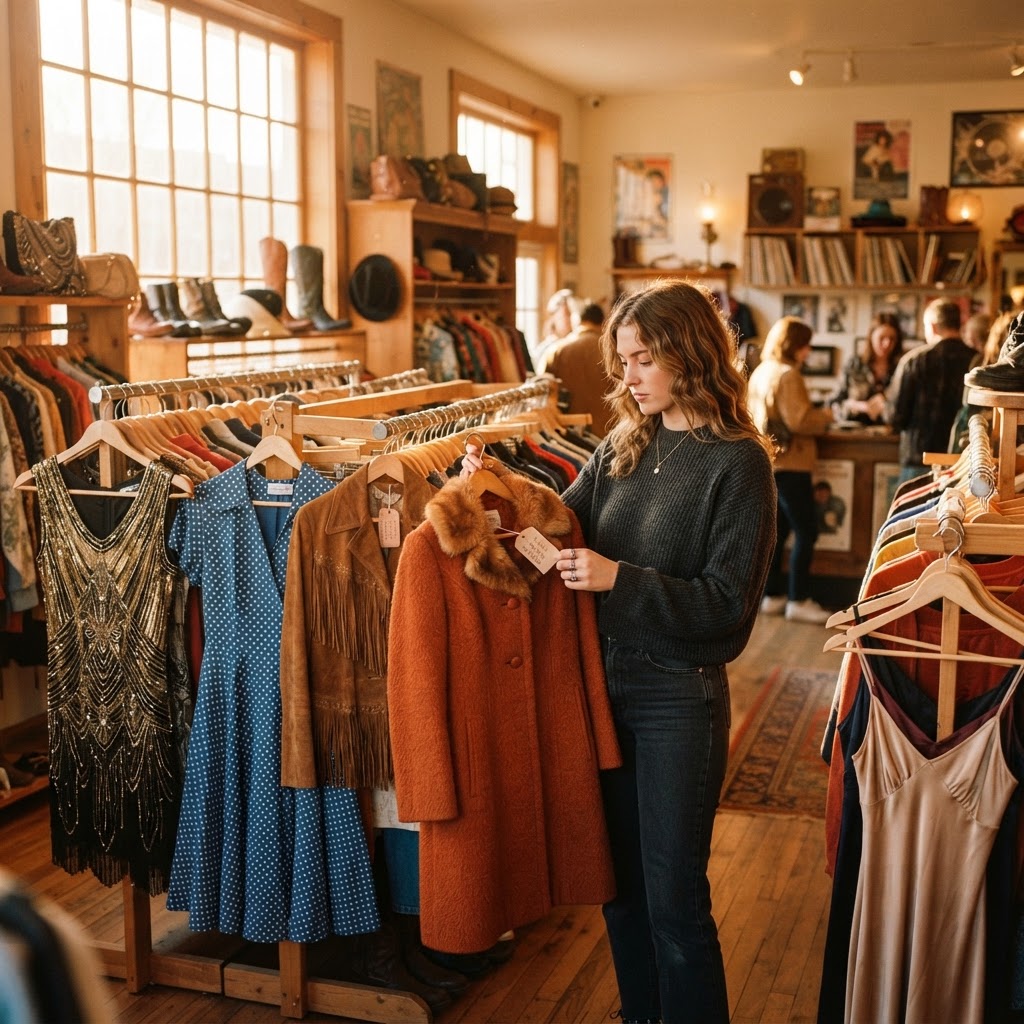
Building a Vintage Wardrobe on a Budget: Smart Thrift Shopping Tips for Every Decade
Dreaming of a wardrobe filled with authentic vintage pieces but worried about the price tag? Building a stunning collection of clothing from the 1920s through the 2010s doesn't have to drain your bank account. With the right strategy, a sharp eye, and a little patience, you can curate a wardrobe that turns heads — without turning your wallet inside out.
Why Vintage Fashion Is Worth the Hunt
There's something deeply satisfying about wearing a piece of clothing that has lived a life before yours. A 1970s suede fringe jacket, a 1950s swing dress, or a 1990s slip dress carries with it a history, a craftsmanship, and a character that fast fashion simply cannot replicate. Vintage clothing is also one of the most sustainable choices you can make as a consumer — every secondhand purchase keeps a garment out of a landfill and reduces demand for new production.
But let's be honest: the words "vintage" and "authentic" can sometimes come with eye-watering price tags. The good news? With the right approach, you can build a genuinely impressive vintage wardrobe while staying firmly within a budget. Here's how.
Know Your Decades Before You Shop
One of the biggest mistakes new vintage shoppers make is diving in without a roadmap. Before you hit a thrift store or browse an online marketplace, spend some time familiarizing yourself with the silhouettes, fabrics, and construction details of different eras.
- 1920s–1930s: Look for bias-cut silhouettes, delicate silk fabrics, Art Deco embellishments, and drop waists.
- 1940s–1950s: Structured shoulders, nipped waists, full skirts, and gabardine wool are hallmarks of this era.
- 1960s–1970s: Mod geometric prints, bell sleeves, polyester blends, and wide-leg trousers define these decades.
- 1980s: Power shoulders, bold prints, and synthetic fabrics like rayon and acetate dominate.
- 1990s–2000s: Minimalist slip dresses, logo tees, wide-leg denim, and Y2K metallics are your targets.
Knowing what you're looking for means you won't pay a premium for a modern reproduction mistaken for the real thing — and you'll be able to spot a genuine treasure hiding among the racks.
Set a Budget and Stick to a Wishlist
Before every thrift outing, write down your priority pieces. Maybe you need a versatile 1960s A-line dress for work, or a classic 1980s blazer to anchor your outerwear rotation. Having a wishlist prevents impulse buys that clutter your space and drain your funds.
A realistic budget framework for beginners:
- $5–$20: Thrift store basics — blouses, trousers, casual dresses
- $20–$75: Specialty vintage shops — quality outerwear, denim, structured pieces
- $75–$200+: Rare or pristine statement pieces — beaded gowns, designer labels, pre-1960s finds
Remember that condition is everything in vintage. A $60 piece in excellent condition is almost always a better investment than a $15 piece with a broken zipper, missing buttons, or fabric rot you can't see until you're under good lighting.
Master the Thrift Store Circuit
Not all thrift stores are created equal, and savvy shoppers learn to work the system. Here are the key strategies:
Shop on restock days. Most thrift chains restock their floor inventory on specific days of the week. Ask a staff member or check online forums for your local store's schedule. Being there when fresh merchandise hits the floor gives you first pick.
Go off-season. Shoppers hunting for winter coats in October will face stiff competition. Instead, look for coats in spring and summer dresses in fall. Off-season shopping means less competition and sometimes lower prices.
Check every section. A 1940s men's dress shirt can look extraordinary styled on a woman. A vintage scarf might be hanging in the accessories bin or folded on a shelf with linens. Don't limit yourself to your assigned gender section or even the clothing racks — belts, scarves, and even tablecloths can become wardrobe heroes.
Inspect everything under good light. Natural light or bright overhead lighting will reveal stains, fabric thinning, moth holes, and discoloration that the dim thrift store environment hides. If you're not sure, don't buy.
Learn the Language of Labels
Vintage labels are a goldmine of information. Union labels, care instruction symbols (or the lack thereof), fiber content labels, and country-of-origin tags can all help you date a piece accurately.
- Garments made "Made in USA" without additional country information were typically labeled this way before the 1970s, when labeling laws changed.
- "Dry Clean Only" without a care symbol icon suggests pre-1971 manufacture.
- RN (Registered Number) or WPL numbers on American garments can be looked up online to identify the manufacturer and approximate date.
- The absence of a fiber content label often indicates pre-1960s manufacture in the United States.
Learning to read these labels takes practice, but it means you'll pay thrift store prices for pieces that authentic vintage collectors pay multiples more for online.
Build Around Versatile Investment Pieces
A budget vintage wardrobe works best when you build it around anchor pieces that can be styled multiple ways. Think:
- A well-cut 1970s camel coat that works over everything
- A 1960s shift dress in a neutral that can be dressed up or down
- A 1980s oversized blazer that updates modern basics instantly
- A pair of 1990s straight-leg Levi's 501s in your exact size
These pieces justify a slightly higher spend because their cost-per-wear over time is remarkably low. Build from these anchors outward, filling in with cheaper finds — blouses, accessories, and layering pieces — that complement your foundation.
Don't Overlook Alterations
One of the best-kept secrets of serious vintage collectors is that tailoring transforms everything. A 1950s dress with an extraordinary print but a slightly wrong waist measurement becomes a perfect fit for $20 at a skilled tailor. A 1980s blazer with beautiful construction but dated shoulder pads becomes a modern treasure once those pads are removed.
Factor in a small alteration budget — even $15–$30 per piece — and your thrift store finds will look like they were made specifically for you. This approach also lets you buy pieces in slightly imperfect sizes, dramatically expanding what you can consider on the rack.
Shop Online Strategically
Physical thrift stores are only one piece of the puzzle. Online vintage marketplaces have exploded in recent years, and knowing how to navigate them can unlock incredible finds at fair prices.
Search with specific terminology — "1972 prairie blouse" will return better results than "vintage shirt." Filter by color, size, and decade where possible. Set up saved searches for your wish list items so you're notified when something new is listed. And always read seller descriptions carefully, paying attention to measurements rather than listed sizes, which are notoriously inconsistent across decades.
When shopping online, ask questions before buying: request additional photos of labels, any flaws, and construction details. A reputable seller will always respond promptly and honestly.
Care for What You Buy
Building a vintage wardrobe on a budget means nothing if your pieces deteriorate quickly. Learn the basics of vintage garment care:
- Store knits folded, never hung, to prevent stretching
- Use cedar blocks rather than mothballs to protect wool and cashmere
- Wash delicate vintage fabrics by hand in cool water with a gentle detergent
- Steam rather than iron most vintage pieces to avoid fabric damage
- Store pieces away from direct sunlight to prevent fading
Proper care extends the life of your garments indefinitely and protects the investment you've made in building your collection.
Conclusion: Your Vintage Journey Starts Here
Building a vintage wardrobe on a budget is less about luck and more about knowledge, patience, and intentionality. The more you learn about the eras you love, the labels that authenticate them, and the construction details that signal quality, the better your finds will become — and the smarter your spending.
When you're ready to go beyond the thrift store and invest in carefully authenticated, curated pieces, Ensemble is here for you. Our marketplace specializes in authentic vintage clothing from the 1920s through the 2010s, with sellers who know their inventory and buyers who care about the real thing. Whether you're hunting for a flapper-era beaded headband or a perfectly worn-in 2000s denim jacket, Ensemble connects you with pieces that have been vetted, described honestly, and priced fairly. Start exploring your next era today.