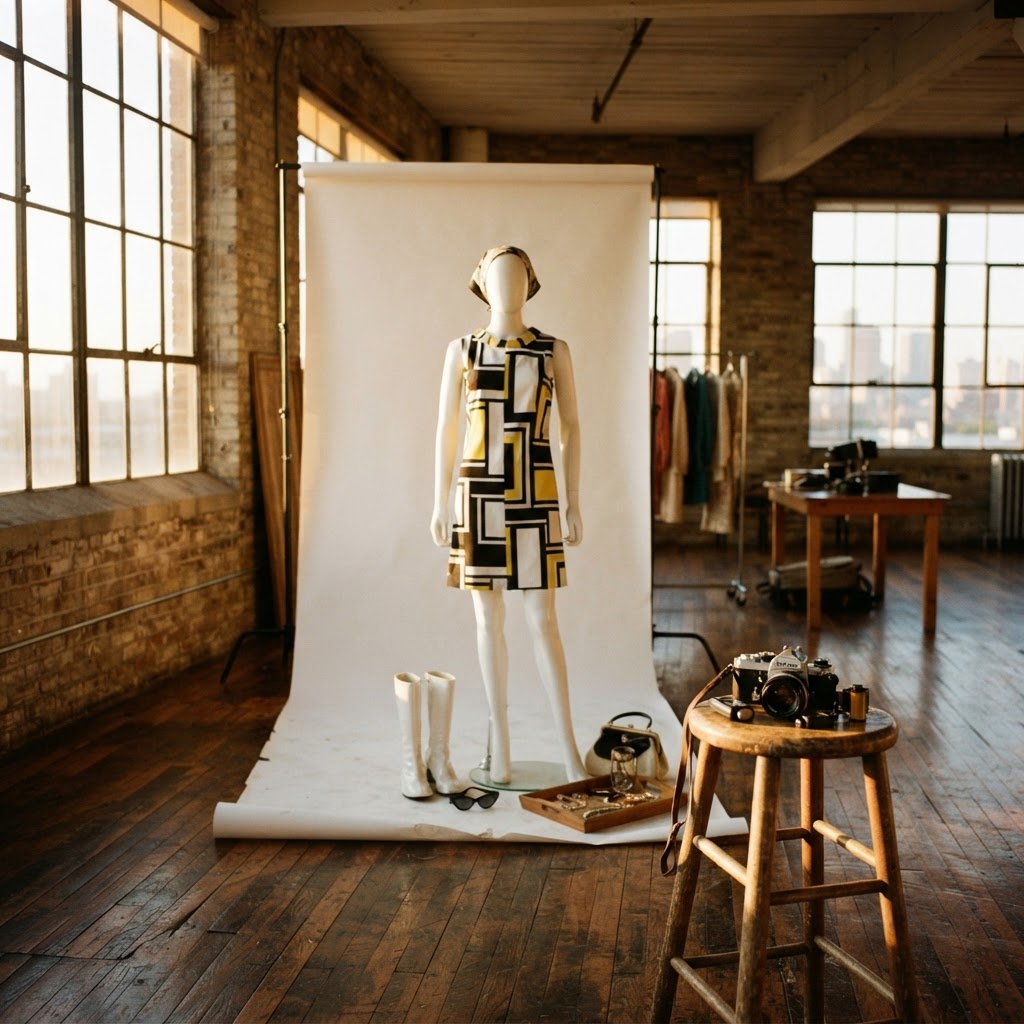
How to Photograph Vintage Clothing for Resale: Lighting and Styling Tips That Sell
A stunning photo can mean the difference between a quick sale and a listing that lingers. Whether you're photographing a 1960s mod mini dress or a 1990s windbreaker, the right lighting and styling will make your vintage pieces irresistible to buyers. Here's everything you need to know to shoot vintage clothing like a pro.
Why Photography Is Your Most Powerful Selling Tool
In the world of online vintage resale, buyers can't touch the fabric, check the drape, or try on the piece. All they have is your photograph. That means your images aren't just supplementary — they are the product. A well-lit, thoughtfully styled photo communicates quality, authenticity, and value before a single word of your description is read. Poor photography, on the other hand, can make even a rare 1940s silk blouse look like a thrift-store castoff.
The good news? You don't need a professional studio or expensive equipment. With a few smart techniques and a genuine love for the garments you're selling, you can create images that stop scrollers in their tracks.
Understanding Light: The Foundation of Every Great Shot
Natural light is your best friend when photographing vintage clothing. It renders colors accurately, flatters textures, and costs absolutely nothing. The golden rule is to shoot near a large window on an overcast day or during the soft hours just after sunrise or before sunset. Direct midday sun creates harsh shadows and can bleach out delicate colors — not ideal for a pastel 1950s swing dress or a burgundy 1970s velvet blazer.
If natural light isn't available, invest in a continuous LED light kit with a daylight-balanced color temperature (around 5500K). Two softbox lights positioned at 45-degree angles on either side of your subject will eliminate unflattering shadows and give you even, consistent coverage across your entire inventory.
Avoid mixing light sources. Combining a warm tungsten lamp with cool window light creates color casts that make whites look yellow and shift fabric tones in ways that mislead buyers.
Pro Tip: The White Bounce Card
A simple white foam board positioned opposite your main light source acts as a bounce reflector, filling in shadows without adding another light. It's a $2 solution that makes a $200 difference in your images.
Choosing Your Background
Your background should frame the garment, not compete with it. The most versatile options are:
- Seamless white or off-white paper backdrops: Clean, professional, and timeless. They work for every decade and every style.
- Neutral linen or cotton fabric: Adds warmth and texture without distraction. Particularly beautiful for 1920s–1940s pieces with intricate beading or lacework.
- Styled environments: A vintage wooden floor, a mid-century modern chair, or a brick wall can reinforce the era of the piece and tell a compelling visual story.
For decade-specific shoots, consider leaning into the aesthetic. A 1980s power suit pops against a glossy, high-contrast background. A 1970s bohemian maxi dress feels at home draped over a wicker chair with dried pampas grass in the background. These small environmental details help buyers emotionally connect with the piece.
Flat Lay vs. On-Body: Which Is Right for Your Listing?
This is one of the most debated questions in vintage resale photography, and the honest answer is: both, when possible.
Flat lays are clean, controlled, and easy to execute. They're excellent for showcasing print patterns, embroidery, and construction details. Lay the garment on your chosen background, smooth out wrinkles (a steamer is essential — more on that shortly), and shoot directly overhead. Use a step stool or small ladder to get a true 90-degree angle.
On-body shots — whether on a live model or a dress form — dramatically increase buyer confidence. They show how the piece hangs, where it hits the body, and how the proportions work in real life. If you don't have access to a model, a vintage-appropriate dress form is a worthwhile investment. Adjust the form to the garment's measurements rather than forcing the garment onto a form that doesn't fit.
For items like trousers, structured jackets, and knitwear, hanger shots against a clean wall can be highly effective. Use a slim, matching-color velvet hanger to minimize distraction.
Styling for the Era: Tell a Story with Every Shot
One of the unique joys of selling vintage is that every piece carries history. Your styling choices can honor that history and make your listings feel curatorial rather than commercial.
- 1920s–1930s pieces: Think minimal, elegant styling. Let intricate beadwork and bias-cut silhouettes speak for themselves. Avoid over-accessorizing.
- 1940s–1950s pieces: Crisp, structured presentation. A tailored 1950s shirtwaist dress looks incredible on a dress form with a cinched belt to highlight the waist.
- 1960s–1970s pieces: Embrace color and energy. Consider shooting bold mod prints against graphic backgrounds, or place flowing 1970s pieces in natural, sun-drenched settings.
- 1980s–1990s pieces: Have fun with contrast and attitude. These decades respond well to slightly editorial styling with strong shadows and confident composition.
- 2000s–2010s pieces: Clean, contemporary presentation works well here. These are recent enough that buyers often just want clarity and accuracy.
Steaming your garments before every shoot is non-negotiable. Wrinkles read as damage in photographs and will cost you sales. A handheld garment steamer is a small investment that pays for itself immediately.
Detail Shots: Don't Skip Them
Beyond your hero shot, detail photography builds buyer trust and reduces returns. For every listing, consider capturing:
- Labels and tags: Authentic vintage labels are a major selling point. Shoot them in sharp focus with good light.
- Fabric texture: A close-up of velvet pile, silk charmeuse, or brocade weave tells buyers what their fingers can't feel.
- Hardware and closures: Zippers, buttons, buckles, and clasps — especially if they're original to the era.
- Condition notes: Any flaws, fading, or repairs should be photographed honestly. Transparency builds the kind of buyer trust that generates five-star reviews and repeat customers.
Shoot detail shots in macro mode on your phone or with a macro lens on a camera. Get as close as the camera will allow while maintaining sharp focus.
The Gear You Actually Need
You don't need a DSLR to shoot stunning vintage clothing. A modern smartphone camera — particularly anything released in the last three to four years — is more than capable of producing marketplace-ready images. The key is to:
- Lock your exposure and focus by tapping and holding on the garment before shooting.
- Shoot in the highest resolution your phone allows.
- Use a tripod to eliminate camera shake, especially in lower light conditions.
- Edit consistently using an app like Lightroom Mobile. Adjust exposure, correct white balance, and lightly sharpen. Avoid over-filtering — buyers need to see accurate colors.
Consistency Is Your Brand
If you're building a shop rather than just clearing out a closet, visual consistency is your brand identity. Choose a background, a lighting setup, and an editing style — and stick with them. When a buyer visits your shop and sees a cohesive grid of beautifully lit images, they're seeing a trusted curator, not a random seller. That trust translates directly into sales.
Conclusion: Show Your Pieces the Respect They Deserve
Every garment you photograph has outlasted trends, traveled through decades, and found its way to your hands. The care you put into presenting it reflects the care a future owner will give it. Great photography isn't just about sales — it's about honoring the story embedded in each piece.
At Ensemble, we believe that vintage fashion deserves to be shown at its absolute best. Our marketplace is built for sellers who take pride in what they offer and buyers who know the difference between a rushed snapshot and a photograph that truly does a garment justice. When you list on Ensemble, you're not just selling clothes — you're passing history forward. Make sure it looks the part.