Trend Intelligence
Forward-looking analysis of where vintage demand is heading — which decades, silhouettes, and subcultures are rising, and the cultural signals driving them.
Current Decade Demand Index
Peak collector demand — grunge, hip-hop, and workwear all surging
Y2K fully arrived — rhinestones, low-rise, velour in high demand
Quiet luxury and boho movements driving 70s revival
Power dressing and athletic wear — steady collector interest
Mod and psychedelic pieces remain rare and premium
Rockabilly and swing revival — niche but dedicated market
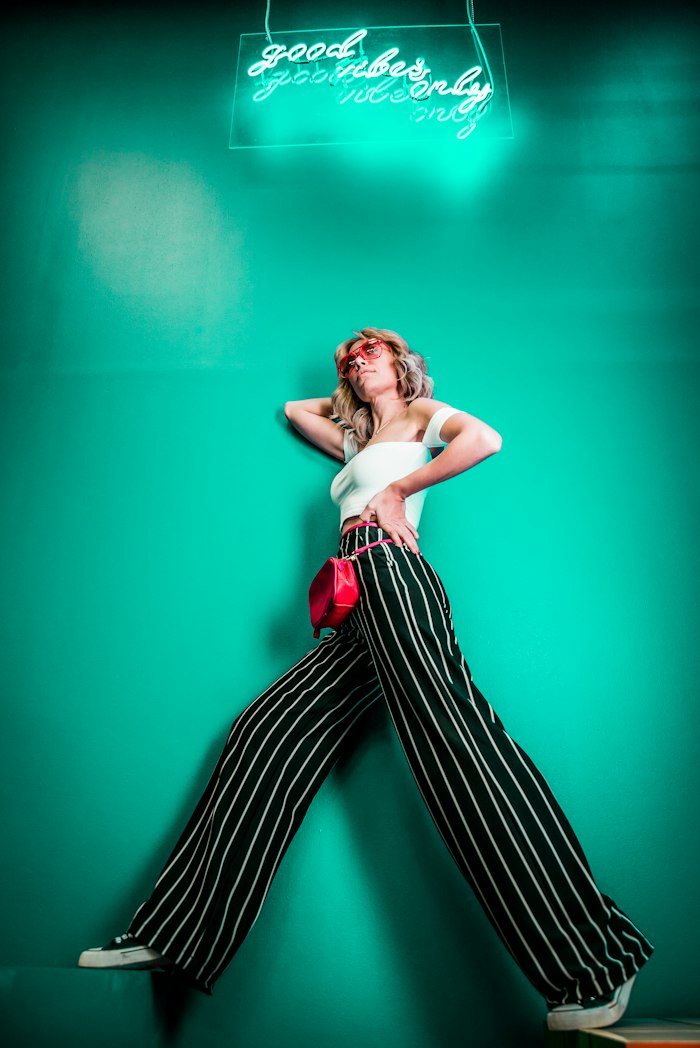
The Y2K Resurrection: Why Early 2000s Fashion Keeps Coming Back
Y2K fashion has now completed two full revival cycles and shows no sign of returning to the archives. Understanding why this particular aesthetic keeps resurfacing reveals something fundamental about how nostalgia, social media, and generational identity interact.
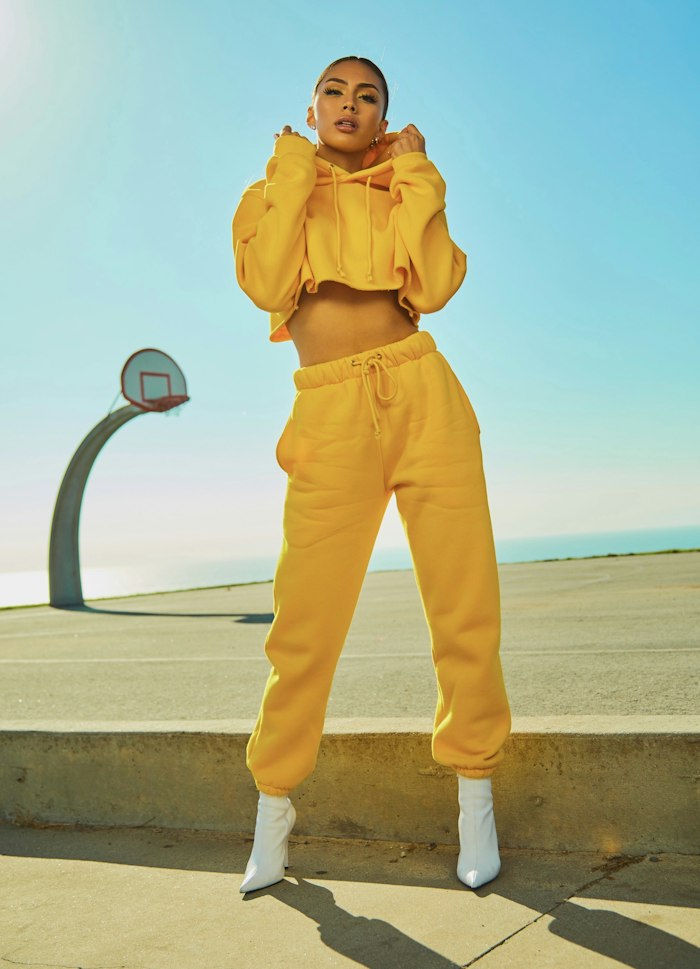
Quiet Luxury and Its Roots in 1970s American Minimalism
'Quiet luxury' — understated, logo-free, quality-focused dressing — dominated 2023–2024 fashion conversation. Its roots are entirely in 1970s American sportswear and the minimalist tradition established by Halston, Calvin Klein, and Ralph Lauren in their earliest collections.
The 1990s Grunge Revival: Third Time Around and Still Relevant
Grunge has now revived twice since its original 1991–1995 peak. Each revival has reached a different audience and elevated different pieces. Understanding which specific grunge-adjacent pieces retain value across cycles reveals something about which vintage aesthetics are genuinely durable.
Emerging Demand: What Decade Will Gen Alpha Claim as Its Own?
Gen Alpha — born 2010 to 2025 — will enter their fashion-forming years (ages 12–18) between 2022 and 2043. Their nostalgia aesthetic will be shaped by a childhood that was primarily digital, pandemic-disrupted, and aesthetically defined by Roblox, YouTube, and AI-generated imagery. What does this mean for vintage demand?