Sustainability Lab
Data-driven research on the environmental and economic impact of vintage fashion, circular economy models, and the future of sustainable style.
92M tons
Global Apparel Waste/Year
2,700L
Water to Make 1 Cotton T-Shirt
~6kg
CO₂ Saved Per Vintage Purchase
+127%
Vintage Market Growth (2023–2028)
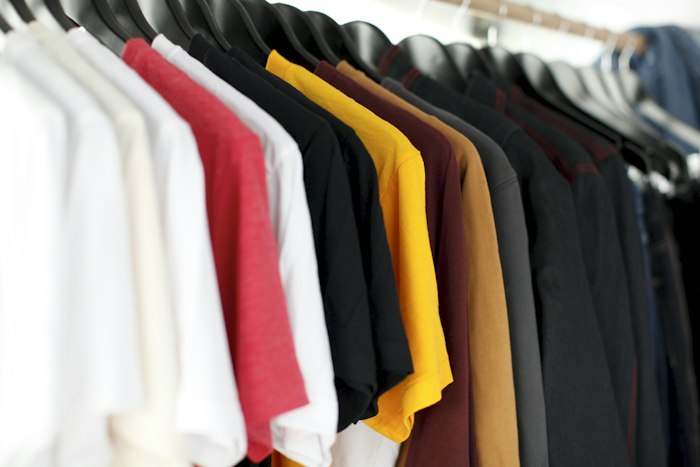
The Carbon Cost of Fast Fashion vs. Vintage Resale
A single new garment generates an average of 6–10kg of CO₂ equivalent across its production lifecycle. A vintage purchase generates virtually zero new production emissions. This study quantifies the environmental mathematics of choosing old over new.
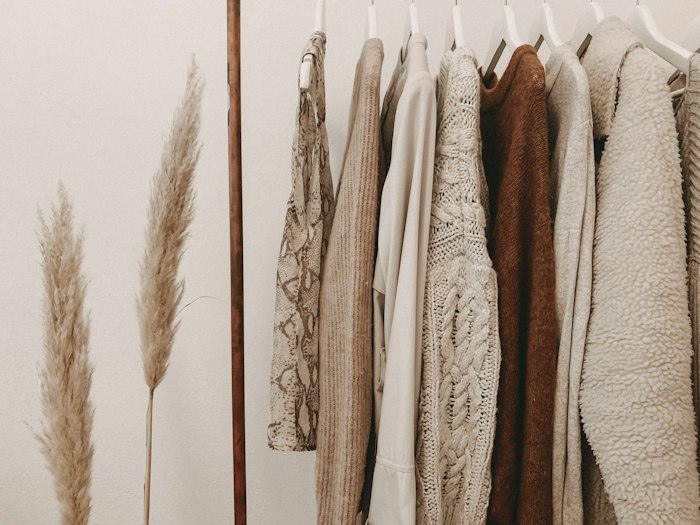
Circular Economy Models in the Apparel Industry
The linear economy model — make, use, discard — is the fashion industry's default setting and its greatest liability. Circular economy models that keep garments in use longer are not idealistic alternatives. They are the industry's most viable future.
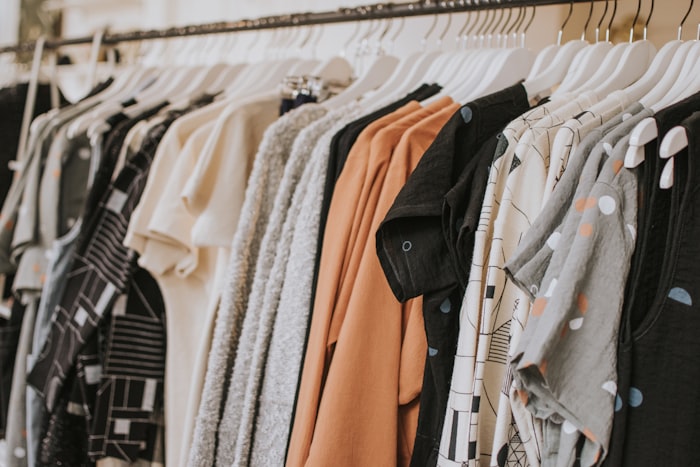
Repair Culture: Why Mending Is the New Luxury
For most of human history, repairing clothing was a survival skill. Fast fashion made repair economically irrational — why fix a $15 shirt when a new one costs $12? The vintage market is inverting this logic: repairing a valuable vintage piece is both economically sound and culturally resonant.
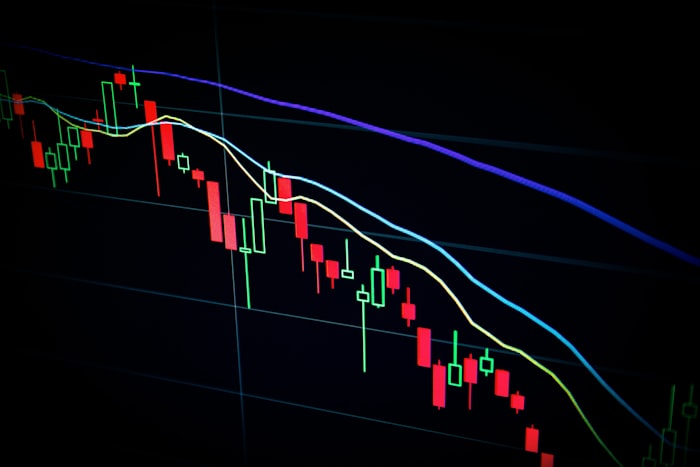
Vintage as Investment: ROI Comparisons Across Asset Classes
A first-edition Supreme box logo hoodie purchased in 2007 for $36 sold at auction in 2020 for $9,000. A 1965 Levi's Type III jacket purchased for $200 in 2005 now trades for $1,800. Vintage fashion's investment performance is not a fluke — it follows documentable economic logic.