Fashion & Music
Music and fashion have always been inseparable. This section maps the direct lines between sonic movements and the clothing that defined them.
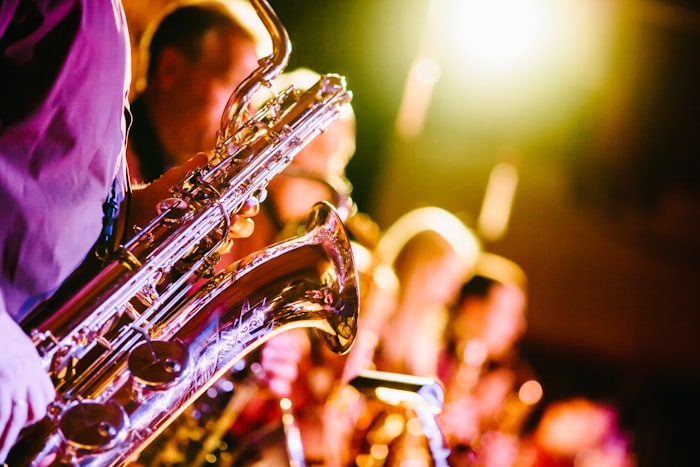
Jazz Age Dress Codes: From Speakeasies to the Cotton Club
Jazz didn't just change American music — it produced entirely new social spaces that demanded entirely new dress codes. The speakeasy, the rent party, the ballroom, and the Cotton Club each created distinct fashion environments that shaped American style for decades.

Punk's Uniform: How Safety Pins Became a Political Statement
Punk didn't buy its clothes — it made them, destroyed them, or stole them. The DIY aesthetic of British punk was simultaneously an economic necessity and a philosophical statement about the fashion industry, consumer capitalism, and who gets to define beauty.

The Wu-Tang Effect: How One Album Changed Men's Fashion
Enter the Wu-Tang (36 Chambers) arrived in 1993 wearing Timberland boots, Carhartt jackets, Wallabees, and Polo Ralph Lauren — workwear brands that had never been marketed to Black youth suddenly became the defining fashion of hip-hop's most influential group.

Country Music's Western Wear: Rhinestones, Fringe, and Identity
Nudie Cohn's rhinestone suits, Gram Parsons' cosmic cowboy aesthetic, and Dolly Parton's deliberate maximalism — country music's fashion history is a story about how working-class Southern identity performed itself for national audiences.