Structure. Memory. Authority.
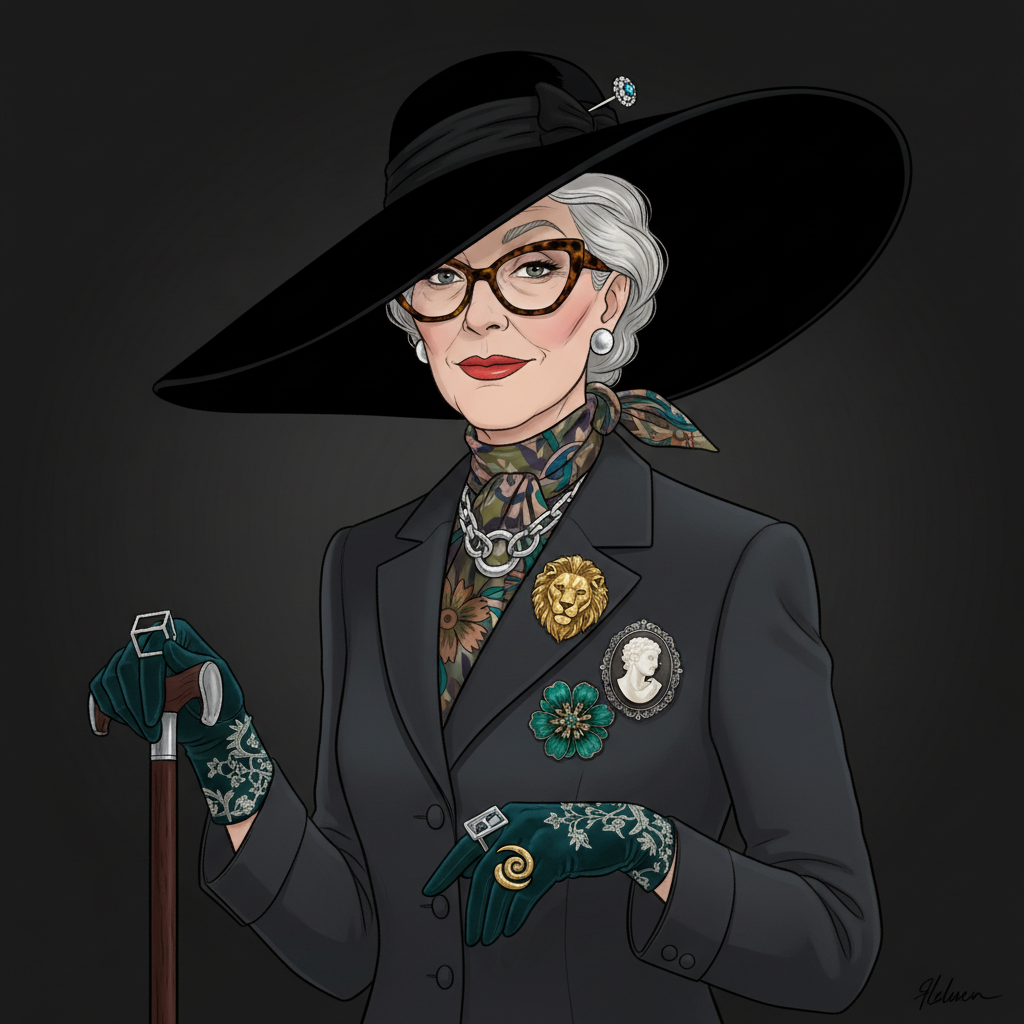
Eleanor
She doesn't browse. She arrives, moves through a space with purpose, and leaves with exactly what she came for — even when she didn't know what that was until she saw it.
"A bad fit is an argument you're losing. Out loud. In public. With everything you're trying to say."
— Eleanor
First impressions
Things Eleanor Notices Immediately
The quality of the lining before anything else.
Whether the buttons are original.
If the seams have been altered — and how many times.
The shoulder construction. Always the shoulder construction.
A hand-stitched hem versus a machine one. Immediately.
When someone doesn't know what they have.
When someone does know and is pretending otherwise.
Notes on structure
Tailoring Lessons
The archive
Favorite Silhouettes
1940s
Structured shoulders. Nipped waist. The decade understood that clothing could project authority without announcing it.
1960s
Clean lines. Architectural A-line. The shift dress as a philosophical statement. Restraint as sophistication.
1970s
Wide lapels done correctly. The decade that understood drama doesn't require volume — it requires proportion.
1980s
Power dressing stripped of its excess. The silhouette, not the aggression. There is a difference.
Fabric matters
On What Holds Up
Wool remembers. Silk forgets. Cashmere is a commitment. These are not opinions — they are the results of paying attention over decades.
Fast fashion does not hold memory because there is no time in the making of it. There is no patience. No decision about whether the interlining should be this or that. It is made to be replaced, and it achieves that goal perfectly.
Good fabric — the kind Eleanor looks for — was made by someone who expected it to outlast them. That intention becomes part of the cloth. You can feel it. Eventually, you learn to feel it immediately.
"Evelyn says I have a sixth sense for wool weight. I say I simply paid attention for long enough that it became automatic. She rolls her eyes. She also asks me every time."
The other half
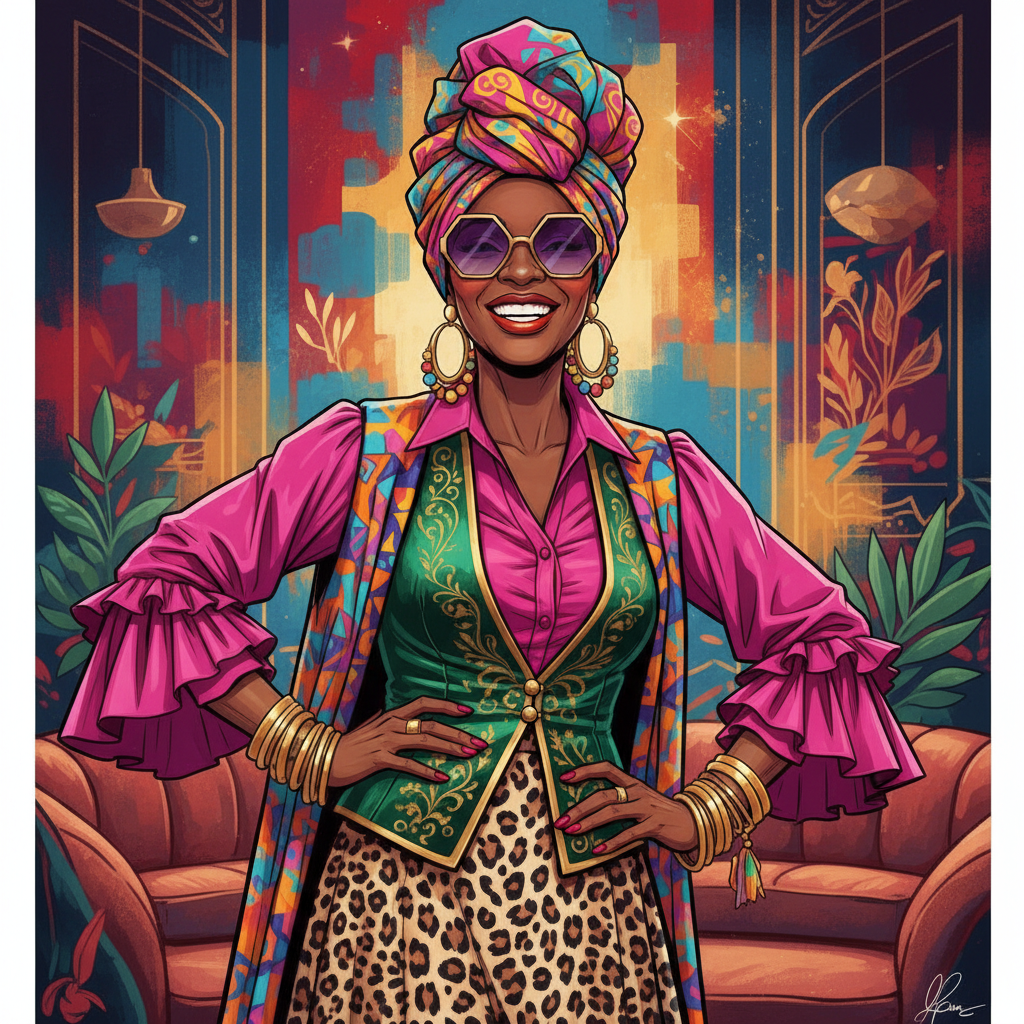
Then There's Evelyn
Eleanor and Evelyn represent the collectors, the curators, the lifelong lovers of vintage who inspired every decision we made building Ensemble. The curation standards here weren't written in a boardroom—they were shaped by generations who know the difference between a 1962 piece and a 1972 one, and why it matters.
"Evelyn insists this jacket needs gold jewelry. She's right. I hate that she's right."
Enter Evelyn's world →