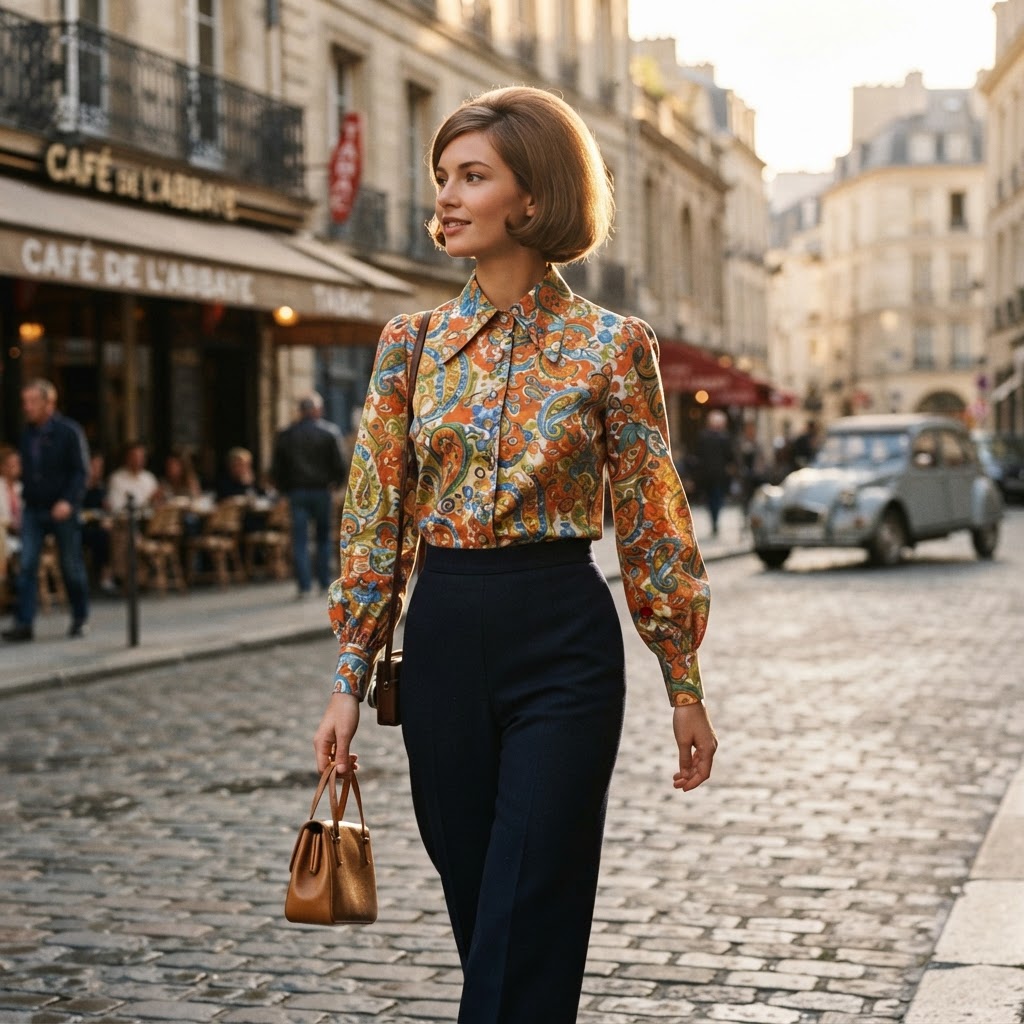
Why Vintage Fashion Marketplaces Are Booming — And How Ensemble Stands Apart
The secondhand fashion revolution isn't slowing down — it's accelerating. As shoppers seek authenticity, sustainability, and one-of-a-kind style, vintage marketplaces have exploded onto the scene. But not all platforms are created equal, and if you're a seller with a serious eye for the authentic, Ensemble was built with you in mind.
The Secondhand Fashion Revolution Is Here to Stay
Something remarkable has happened to the way the world gets dressed. Over the past decade, the global secondhand and vintage clothing market has grown at a pace that would have seemed unthinkable to the department store executives of the 1980s. According to industry research, the resale fashion market is projected to reach over $350 billion globally by 2028. Thrift stores, vintage boutiques, and online marketplaces have moved from the fringes of fashion culture to its very center — gracing the pages of Vogue, filling the closets of celebrities, and dominating the feeds of style influencers from Tokyo to Toronto.
But what's actually driving this shift? The answer is layered, and understanding it is the first step to becoming a more effective seller in the space.
Why Consumers Are Turning to Vintage
The motivations behind the vintage fashion boom are diverse, but a few key threads run through nearly every buyer's story.
Sustainability is perhaps the most widely cited reason. Fast fashion's environmental toll — the water usage, the textile waste, the carbon footprint of rapid global manufacturing — has become common knowledge. Buying vintage is a tangible, personal way for consumers to opt out of that cycle. When someone purchases a 1970s denim jacket or a 1990s slip dress, they're keeping a garment alive that might otherwise end up in a landfill.
Authenticity and individuality are equally powerful motivators. In a world where algorithms serve everyone the same trending content, owning something genuinely rare and historically grounded is a form of self-expression that fast fashion simply cannot replicate. A true 1940s swing dress or an original 1960s Mod mini skirt carries a story, a texture, a construction quality that modern reproductions can't match.
Value and investment matter too. Savvy shoppers have realized that well-chosen vintage pieces hold — and often appreciate in — value. Collecting vintage fashion has become as much a financial strategy as a lifestyle choice for many enthusiasts.
The Marketplace Explosion: A Crowded Field
Where demand goes, platforms follow. The rise of online vintage marketplaces has been swift and, at times, overwhelming. General resale giants entered the vintage space, while niche platforms built communities around specific aesthetics or decades. Sellers suddenly had more options than ever — but also more noise to cut through.
The problem with many of these platforms quickly became apparent. Authenticity was inconsistently enforced. A listing for a