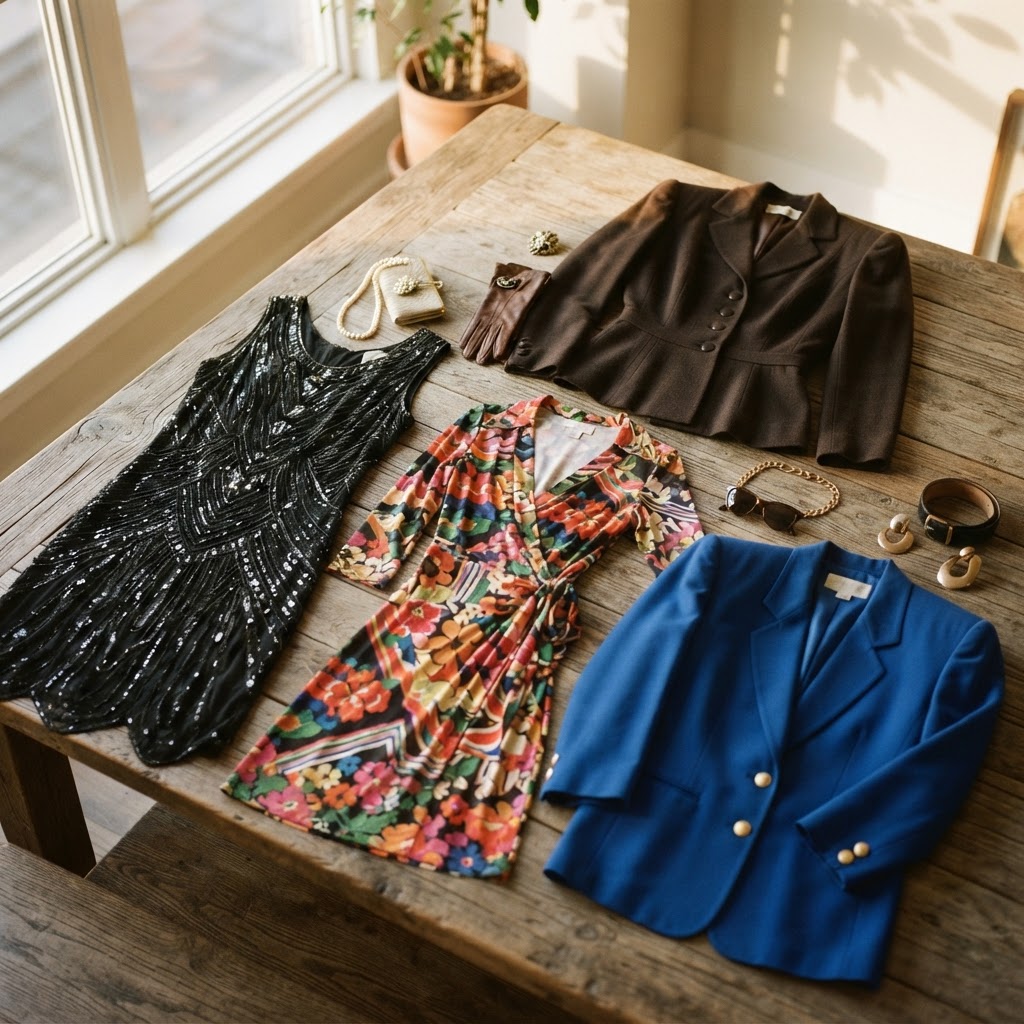
Vintage, Antique, or Retro? The Ultimate Fashion Terminology Guide You Need to Know
Shopping for pre-loved fashion is thrilling — but the terminology can get confusing fast. Is that 1980s blazer vintage or retro? Does a 1910s beaded gown count as antique? We're breaking down the differences once and for all so you can shop, style, and talk fashion like a true connoisseur.
Why the Labels Matter
Walk into any thrift store, scroll through any resale marketplace, or flip through a fashion magazine, and you'll encounter three words thrown around with wild abandon: vintage, antique, and retro. Sometimes they're used interchangeably. Sometimes they're used completely wrong. And while it might seem like a minor semantic quibble, these labels actually carry real meaning — affecting the value, authenticity, and cultural context of the pieces you're buying and wearing.
Understanding the distinctions isn't just for fashion historians or serious collectors. It helps everyday shoppers make smarter purchases, communicate more clearly with sellers, and build wardrobes with genuine intention. So let's set the record straight.
What Does "Vintage" Actually Mean?
The word vintage is perhaps the most misused term in the pre-loved fashion world. In the strictest sense, borrowed from the wine industry, vintage refers to something from a specific year or era that carries the defining characteristics of that time. In fashion, the generally accepted rule is that a garment must be at least 20 years old to qualify as vintage.
That means, as of 2025, anything made in 2005 or earlier could technically be considered vintage. Yes — your early 2000s low-rise jeans and velour tracksuits have officially crossed the threshold. Welcome to the club.
But age alone isn't the whole story. True vintage fashion also needs to reflect the style, construction, and aesthetic of its era. A plain white T-shirt from 1998 isn't really "vintage" in the meaningful sense — it's just old. A 1970s Halston jersey wrap dress? That's vintage. A 1960s mod shift dress with geometric prints? Absolutely vintage. The garment should serve as a time capsule, telling you something about the decade in which it was made.
Vintage pieces are prized for their craftsmanship, unique details, and the sense of history they carry. Natural fibers, hand-finishing, and construction techniques that have long since disappeared from mass manufacturing make vintage clothing genuinely special.
The Antique Standard: Fashion's True Time Capsules
If vintage is the broad category, antique is the elite tier. In most collecting disciplines — furniture, jewelry, ceramics — an item must be at least 100 years old to be classified as antique. Fashion follows the same convention.
That means antique clothing today dates from 1925 or earlier: Edwardian lace blouses, Victorian mourning gowns, Gilded Age silk evening wear, and the very earliest expressions of 1920s flapper style. These are not just garments — they are historical artifacts.
Antique fashion requires special care. Fabrics this old are inherently fragile; silk can shatter, lace can disintegrate, and dyes may be unstable. Wearing antique pieces is possible but demands expertise. Many collectors choose to display or preserve them rather than incorporate them into daily outfits. When antique garments do appear on the market, they command significant prices — and for good reason. You're holding a piece of textile history that survived a century.
At Ensemble, our earliest offerings brush the boundaries of antique fashion, with authentic pieces from the 1920s that sit right at that thrilling intersection of wearable history and collectible artifact.
So What Is "Retro"?
Here's where things get interesting — and where most people get confused. Retro does not refer to age at all. Instead, retro describes new or newer items that are deliberately designed to evoke the style of a past era.
That 1950s-style swing dress you bought from a contemporary brand last year? Retro. The wide-lapel suit made in 2020 to channel 1970s swagger? Retro. A brand-new pair of high-waisted trousers cut to mimic 1940s silhouettes? Still retro.
The key distinction is intentional aesthetic imitation without actual age. Retro fashion celebrates the past through a modern lens — it's nostalgic, often playful, and highly accessible because it's made with today's materials and sizing standards. There's nothing wrong with retro; it's a legitimate and beloved style category. But it is categorically different from vintage or antique.
Confusing retro with vintage is where buyers most often get misled. A seller marketing a brand-new reproduction 1960s dress as "vintage-inspired" is being accurate. Calling it vintage would be misleading. Always check garment labels, construction details, and seller descriptions carefully.
Quick Reference: The Key Differences at a Glance
- Antique fashion: 100+ years old; pre-1925; fragile, collectible, historically significant
- Vintage fashion: 20–99 years old; reflects the authentic style of its era; genuine pre-loved garment
- Retro fashion: Any age, but designed to look like a past era; modern reproduction or tribute
How to Authenticate Vintage Pieces
Knowing the terminology is one thing — applying it in the real world is another. Here are some practical ways to verify that a piece is genuinely vintage rather than a retro reproduction:
Check the label. Union labels, country-of-origin markings, and care instruction formats all changed over the decades. For example, care labels weren't required in US garments until 1971. If a "1960s" dress has a care label, something doesn't add up.
Examine the construction. Vintage garments often feature hand-stitching, metal zippers (rather than plastic), covered buttons, and interior finishing that modern fast fashion simply doesn't bother with. The quality of construction is often a giveaway.
Study the silhouette and fabric. Each decade had defining shapes — the boxy shoulders of the 1940s, the nipped waist of the 1950s, the A-line freedom of the 1960s. Authentic vintage pieces conform to these shapes naturally, because they were built for them. Fabrics like gabardine, crepe, and heavy wool tweed were common in mid-century tailoring and feel noticeably different from modern synthetics.
Ask the seller. Reputable vintage marketplaces like Ensemble provide provenance information, decade attribution, and detailed photographs of labels and construction details.
Building a Wardrobe That Spans the Decades
One of the most exciting things about understanding these categories is how it opens up the full spectrum of fashion history as a wardrobe resource. You don't have to pick a single era — the most compelling personal style often mixes decades with intention.
Pair a genuine 1970s suede jacket (vintage) with modern denim and retro-inspired platform shoes. Layer a 1940s silk blouse (vintage, edging toward antique) under a contemporary blazer. Let a single 1920s beaded evening bag (antique) elevate an otherwise modern outfit into something extraordinary.
The taxonomy matters because it helps you understand what you have and how to treat it. Antique pieces deserve archival care. Vintage pieces deserve respect and mindful wearing. Retro pieces can be lived in freely, washed regularly, and styled with abandon.
Conclusion: Shop Smarter, Style Deeper
Fashion has always been in conversation with its own history. The clothes we wear are never just clothes — they carry the silhouettes, politics, craft traditions, and cultural moments of the eras that produced them. Knowing the difference between vintage, antique, and retro isn't pedantry; it's a way of honoring that history and making more meaningful choices as a consumer.
At Ensemble, every piece in our marketplace is carefully authenticated and accurately described — whether it's a 1920s antique beaded flapper dress, a 1980s power-shoulder vintage blazer, or a curated selection of retro-inspired contemporary pieces. We believe that when you know exactly what you're wearing and where it comes from, getting dressed becomes something truly special. Browse our collections and find the piece of history that speaks to you.