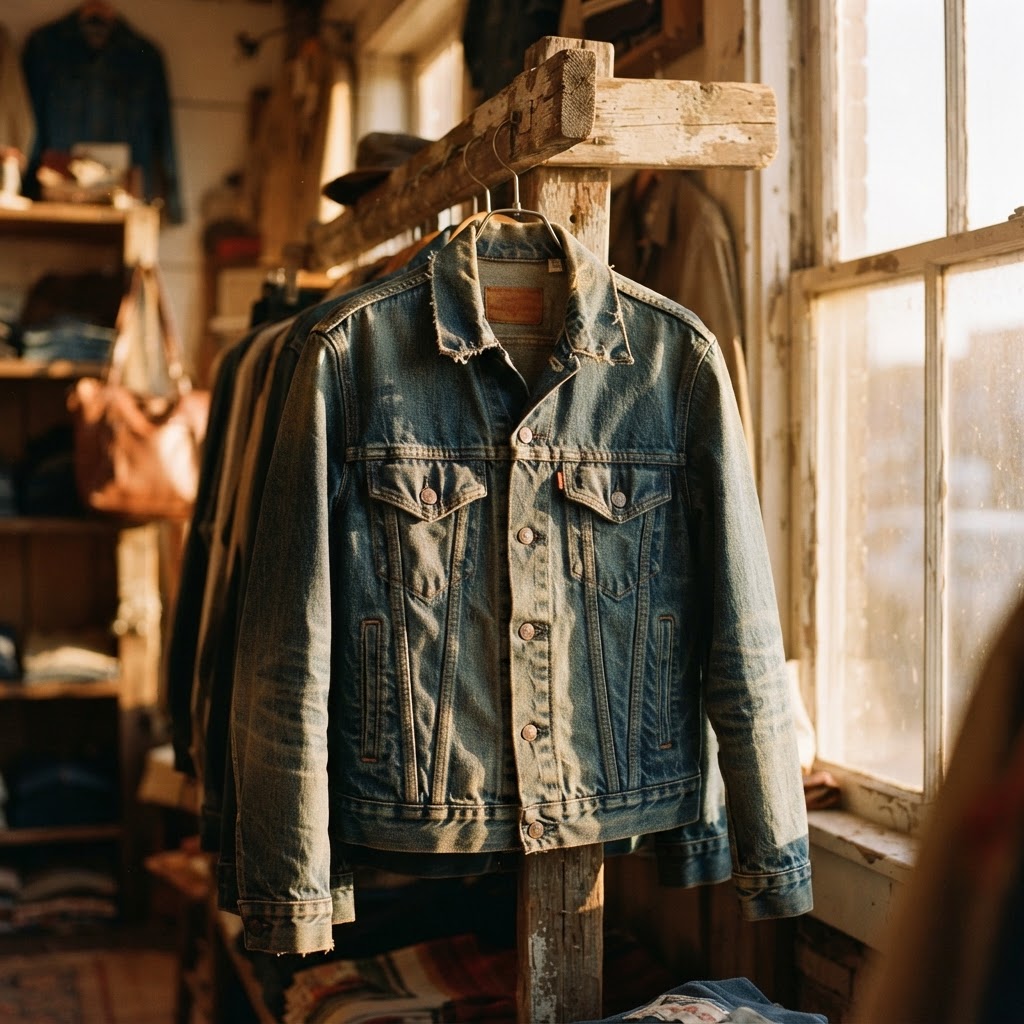
How to Price and Sell Vintage Denim Jackets Online: The Ultimate Guide for Sellers
Vintage denim jackets are some of the most sought-after pieces in the secondhand market, but knowing what yours is worth — and how to sell it — can feel overwhelming. Whether you're clearing out a closet or building a serious reselling business, pricing vintage denim correctly is the difference between a quick sale and a listing that sits for months. Here's everything you need to know to sell smarter.
Why Vintage Denim Jackets Are Having a Moment
From the Type I Levi's trucker jackets of the 1950s to the oversized acid-wash silhouettes of the late 1980s, vintage denim jackets have never really gone out of style — they've just evolved. Today's buyers are savvier than ever, hunting for authentic pieces with verifiable history, original hardware, and that irreplaceable patina that only decades of wear can produce. The global resale market for vintage clothing is projected to surpass $60 billion by 2027, and denim sits squarely at the center of that boom.
If you have vintage denim jackets to sell, you're holding real value. The key is knowing how to communicate that value to buyers online.
Step 1: Identify What You Have
Before you can price anything, you need to know exactly what you're selling. Authentication and identification are the first steps every serious seller takes.
Read the Label
The care label — or lack thereof — tells you a great deal. Pre-1971 garments in the United States were not legally required to have care labels, so an absence of one on a Levi's jacket can actually be a sign of age and authenticity. Look for:
- Single-stitch construction (common pre-1990s)
- Paper patch labels on Levi's (indicates pre-1970s origin)
- Selvedge denim (a hallmark of high-quality, older manufacturing)
- Chain-stitched hems on vintage Wranglers and Lees
Know Your Brand Hierarchy
Not all denim brands command the same prices. Here's a rough tier system to keep in mind:
- Tier 1 (highest value): Levi's (especially 506XX, 507XX, Type I, II, and III), vintage Wrangler 11MJ, early Lee Riders
- Tier 2: Carhartt, Dickies, Sears Roebuck house brands (like Hercules or Toughskins)
- Tier 3: Department store brands, unbranded or unknown labels
Date Your Piece
Use resources like Vintage Levi's forums, Denim Hunters communities, and the Red Tab Foundation to cross-reference your jacket's features — tab color, rivets, stitching pattern, and pocket style — with known production years. Decade accuracy matters enormously to collectors.
Step 2: Assess Condition Honestly
Condition is the single biggest variable in vintage denim pricing. Buyers expect honesty, and misrepresenting condition is the fastest way to earn negative feedback and returns.
Use these standard condition grades:
- Mint / Dead Stock (DS): Unworn, original tags attached. Extremely rare and commands premium prices.
- Excellent (E): Light wear, no repairs, all hardware intact, no significant fading or distressing beyond natural age.
- Very Good (VG): Minor flaws — small stain, slight fraying at cuffs — but structurally sound and wearable.
- Good (G): Visible wear, possible repairs, noticeable fading or distressing. Still sellable but priced accordingly.
- Fair / As-Is: Significant damage, major repairs, or alterations. Sell as a project piece or for parts.
Photograph every flaw. Close-up shots of wear, repairs, hardware, and labels build trust and reduce disputes.
Step 3: Research Comparable Sales (Comps)
Pricing vintage denim without research is guesswork. Instead, build your price on sold listings data — not active listings, which reflect wishful thinking, not market reality.
Where to Research
- eBay Sold Listings: Filter by "Sold Items" to see what buyers actually paid.
- Depop and Grailed: Sort by sold items to gauge the streetwear-driven market.
- Ensemble Marketplace: Browse completed sales in the denim category for curated, authenticated comps that reflect serious collector demand.
- Worthpoint: A paid database of historical auction results, invaluable for rare pieces.
What to Look For in Comps
Match your jacket on as many variables as possible: brand, model/style, approximate decade, size, and condition. A 1960s Levi's Type II in excellent condition and a size Large will sell very differently from a 1980s Type III in Good condition and a size Small. The more specific your comp, the more accurate your price.
Step 4: Price Strategically
Once you have your comps, here's how to set a price that moves:
Account for Platform Fees
Every platform takes a cut. Factor this into your asking price:
- Most marketplaces (including Ensemble) charge seller fees between 5–20%
- Payment processors typically add another 2.9% + a small flat fee
- If you're offering free shipping (highly recommended for conversion), build that cost in too
Use Psychological Pricing
Prices ending in $5 or $9 feel like deals. A jacket priced at $145 moves faster than one at $150, even though the difference is negligible. For higher-end pieces ($300+), round numbers actually convey confidence and quality.
Build in Negotiation Room
Most vintage buyers expect to negotiate. Price your jacket 10–15% above your true floor price so you can accept a reasonable offer without feeling like you've left money on the table.
Step 5: Write a Listing That Sells
Great photos get clicks. Great copy closes sales.
Photography Checklist
- Flat lay or hanger shot for the hero image (clean background, natural light)
- Front and back full shots
- Close-up of label(s)
- Hardware detail shots (buttons, zippers, rivets)
- Any flaws or repairs, clearly lit
- Measurements laid flat (chest, length, sleeve)
Writing the Description
Lead with the most important details: brand, style/model, decade, and condition. Then provide:
- All measurements (buyers need these — vintage sizing runs wildly inconsistent)
- Fabric composition if known
- Country of manufacture
- Any notable provenance or history
- Washing/care notes
Use keywords buyers actually search: "80s Levi's trucker jacket," "vintage acid wash denim," "Type III 70s Levi's" — natural, descriptive language that mirrors how collectors search.
Step 6: Choose the Right Platform for Your Piece
Not every platform serves every piece equally well. Match your jacket to the right audience:
- Mass-market or lower-tier denim: eBay, Depop, or Facebook Marketplace reach the widest audience for more common pieces.
- Streetwear-adjacent styles (80s–90s): Grailed and Depop skew younger and trend-conscious.
- Collector-grade or rare vintage (pre-1970s, deadstock, named models): Specialized marketplaces like Ensemble connect your piece with buyers who understand its value and are willing to pay for it.
Listing on a curated platform reduces the "is this real?" friction that plagues generic marketplaces. Buyers on Ensemble arrive pre-educated and pre-motivated.
Conclusion: Sell With Confidence on Ensemble
Selling vintage denim online is equal parts research, presentation, and patience. Price too low and you leave money on the table; price too high without the right audience and your jacket collects digital dust. The sellers who thrive are the ones who do the homework, photograph honestly, write with detail, and meet buyers where they already are.
If you're ready to list your vintage denim jacket with confidence, Ensemble is built for exactly this. Our marketplace specializes in authentic vintage clothing from the 1920s through the 2010s, with a community of knowledgeable buyers who appreciate the real thing. Create your seller profile today, and give your vintage denim the audience it deserves.