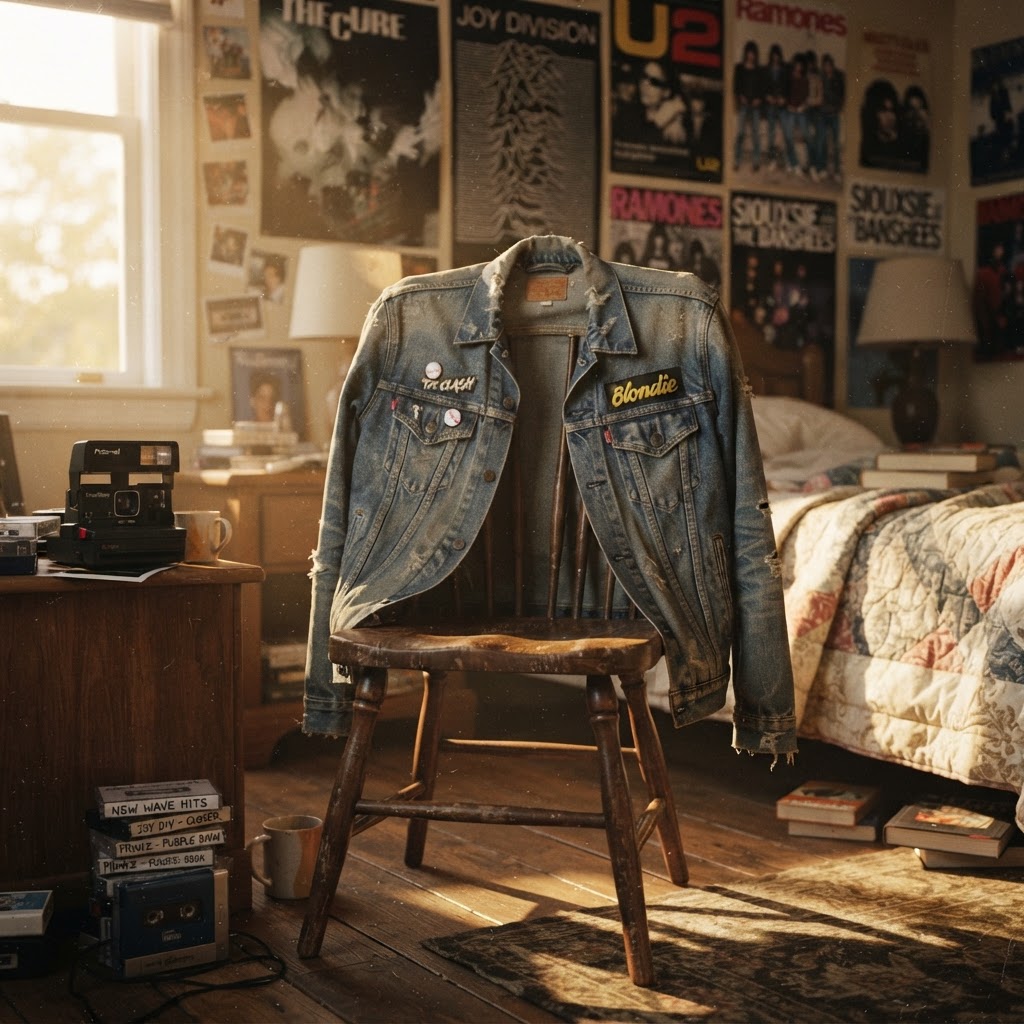
How to Price and Sell Vintage Denim Jackets Online: The Ultimate Guide for Every Decade
Vintage denim jackets are among the most sought-after pieces in the secondhand market — but knowing how to price and list them can make the difference between a quick sale and a listing that sits for months. From 1950s workwear to 1990s oversized grunge staples, each era carries its own value signals. Whether you're a seasoned seller or just cleaning out your closet, this guide will walk you through everything you need to know.
Why Vintage Denim Jackets Are Having a Moment
Denim jackets have never really gone out of style — they've simply evolved. From the rugged Type I Levi's of the 1950s to the acid-washed silhouettes of the 1980s and the baggy, patch-covered styles of the 1990s, each decade left its own unmistakable imprint on this wardrobe staple. Today, buyers across every age group are hunting for authentic vintage denim, and the market is more competitive — and more lucrative — than ever.
If you've got a vintage denim jacket sitting in storage, you may be sitting on more value than you realize. But pricing vintage denim is both an art and a science. Let's break it down.
Know Your Era: Dating Your Denim Jacket
Before you can price anything, you need to know what you have. Dating a vintage denim jacket is the single most important step in the selling process, and it starts with the label and the hardware.
- 1950s–1960s: Look for single-stitch construction, cinch backs, and early Levi's or Lee labels with a capital "E" in "Levi's" (the coveted Big E designation). These are the holy grails of vintage denim.
- 1970s: Denim goes mainstream. Brands like Wrangler, Lee, and early Calvin Klein dominate. Labels often include country of manufacture — "Made in USA" is a strong positive signal.
- 1980s: The era of acid wash, stonewash, and oversized fits. Brand collaborations, band merch embroidery, and bold stitching are hallmarks. Look for Jordache, Sergio Valente, and Guess tags.
- 1990s: Grunge and hip-hop both claimed the denim jacket. Oversized fits, distressed finishes, and custom paint or patches explode in popularity. Tommy Hilfiger, JNCO, and Diesel are key names.
- 2000s–2010s: Slim-cut revival jackets, rhinestone embellishments, and early streetwear collaborations define this era. While not as far back, well-preserved pieces from this period are increasingly collectible.
Checking rivets, buttons, and zipper brands (like Talon or Scovill) can further narrow down a jacket's age. When in doubt, consult vintage denim databases or communities — proper identification always pays off.
Assessing Condition: The Four-Point Check
Condition dramatically affects pricing. Use this four-point condition framework when evaluating your piece:
- Mint / Deadstock (NWT): Never worn or worn once, with original tags. Commands a significant premium — often 2–3x the price of a worn equivalent.
- Excellent Used: Minor signs of wear, no damage, all hardware intact. The sweet spot for most buyers.
- Good / Distressed: Intentional or natural fading, minor fraying, small repairs. Still very sellable — authentically worn denim is often desirable.
- Fair / Heavily Worn: Significant damage, missing buttons, major staining. Price low or consider repurposing as a project piece for crafters.
Always photograph condition issues honestly. Buyers who feel misled leave bad reviews and request returns — both of which hurt your seller reputation.
Pricing Strategy: What the Market Will Bear
Pricing vintage denim is where many sellers undersell themselves. Here's a tiered approach based on decade and desirability:
Entry-Level ($25–$75)
Common 1990s and 2000s denim jackets with standard branding and moderate wear. These move quickly and appeal to everyday vintage shoppers.
Mid-Tier ($75–$200)
Well-preserved 1980s acid wash pieces, named designer labels from the 1970s–1980s, or 1990s jackets with strong cultural associations (band patches, regional art, documented provenance). Great for buyers who want something special without collector-level pricing.
Premium ($200–$500+)
1960s and 1970s American-made jackets in excellent condition, early Levi's with Big E labels, or rare branded collaborations. Collectors will pay for provenance and rarity here.
Collector / Investment Tier ($500–$2,000+)
Big E Levi's Type I or Type II jackets in near-mint condition, documented celebrity-owned pieces, or one-of-a-kind custom work from known artists. These belong in specialized listings or auction-style formats.
Research comparable sales — not just active listings, but sold listings on platforms like eBay and Depop. What something is listed for means nothing; what it actually sold for is the data you need.
Writing a Listing That Converts
A great listing does two things: it ranks in search results, and it builds buyer confidence. Here's how to nail both.
SEO-Friendly Titles
Include brand, decade, style descriptor, size, and key condition notes in your title. For example: *