How to Photograph Vintage Clothing for Resale: Lighting and Styling Tips That Sell
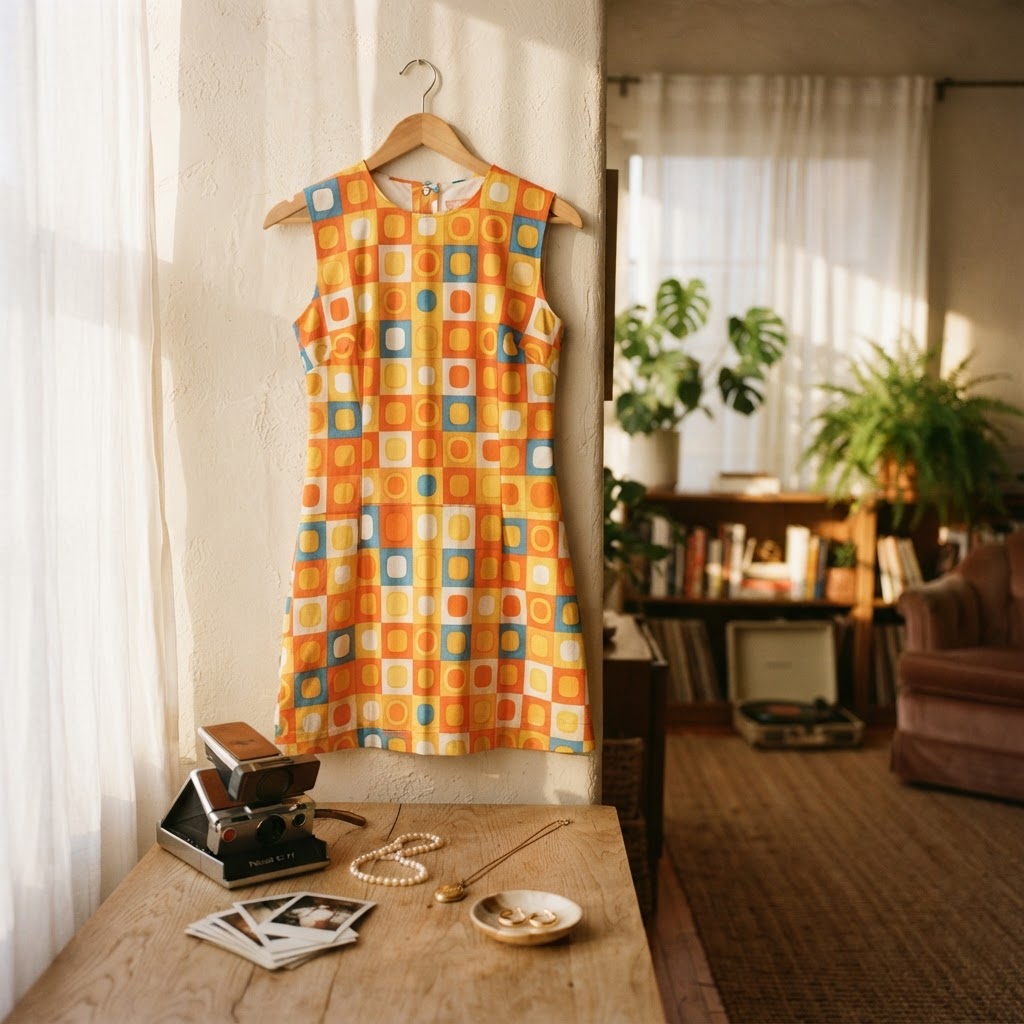
A stunning photograph can mean the difference between a quick sale and a listing that lingers for months. Whether you're selling a 1940s swing dress or a 1980s power blazer, the right lighting and styling choices tell the story behind every garment. Master these techniques and watch your vintage pieces find the homes they deserve.
Why Photography Makes or Breaks a Vintage Listing
In the world of vintage fashion resale, your photographs are your storefront, your fitting room, and your sales pitch all rolled into one. Buyers can't touch the fabric, check the drape in person, or hold the piece up to the light — so your images must do all of that work for them. A poorly lit, carelessly styled photo communicates neglect, even if the garment itself is immaculate. Conversely, a beautifully composed shot can make a modest thrift-store find feel like a museum-worthy treasure.
The good news? You don't need a professional studio or expensive gear to photograph vintage clothing well. What you need is an understanding of light, a thoughtful eye for styling, and a few practical techniques that transform ordinary snapshots into compelling visual stories.
Understanding Light: Your Most Powerful Tool
Natural light is almost always your best friend when photographing vintage clothing. Soft, diffused daylight — the kind you find near a large north-facing window on an overcast day — renders fabric colors accurately and reveals texture without harsh shadows. Direct sunlight, on the other hand, can bleach out delicate hues and create unflattering contrast.
Here's how to make the most of natural light:
- Position your setup near a large window and shoot during mid-morning or late afternoon when the light is soft and warm.
- Use a white foam board or reflector on the opposite side of your subject to bounce light back and fill in shadows. This is especially important for dark garments that can lose detail in the shadows.
- Avoid mixing light sources. Combining natural light with overhead fluorescent bulbs creates an unpleasant color cast that editing software can only partially fix.
If you're shooting in a space without good natural light, invest in a pair of continuous LED softbox lights. Look for bulbs with a CRI (Color Rendering Index) of 90 or above — this ensures the colors in your photographs match the actual colors of the garment, which is crucial for buyer trust.
Flat Lay vs. On-Body vs. Hanger: Choosing Your Format
Each presentation style communicates something different about the garment, and the smartest sellers use a combination of all three.
Flat Lay Photography
The flat lay is perfect for showcasing the full silhouette of a piece — particularly structured garments like 1950s circle skirts or 1970s wide-leg trousers. Lay the item on a clean, neutral surface (white linen, hardwood floors, and marble countertops all work beautifully) and shoot directly overhead. Use a step ladder or position your phone or camera directly above the garment. Style the piece thoughtfully: smooth out wrinkles, fan out skirts, and add complementary accessories like a vintage brooch or a pair of period-appropriate gloves to give context.
Pro tip: Iron or steam every garment before shooting. Wrinkles read as poor condition in photographs, even when the piece is actually in excellent shape.
On-Body Styling
Nothing sells clothing like seeing it worn. An on-body shot shows buyers how a garment actually fits and moves, which builds confidence and reduces returns. You don't need a professional model — a friend, a dress form, or even yourself can work perfectly well.
When styling on a body, think about the decade you're representing. A 1960s mod minidress looks most compelling styled with white go-go boots and a sleek blowout. A 1990s grunge flannel feels authentic layered over a band tee with chunky lug-sole boots. These contextual styling choices don't just look good — they tell a story that resonates with buyers who are searching for a specific aesthetic or era.
Hanger and Ghost Mannequin Shots
A quality wooden hanger or a ghost mannequin (an invisible mannequin technique popular with fashion brands) works well for tops, blouses, and jackets. Ghost mannequin shots — where you photograph the garment on a mannequin and then remove the mannequin in editing — give pieces a three-dimensional shape without the visual distraction of a human body. This technique works particularly well for structured 1940s jackets and 1980s shoulder-padded blazers where the construction of the garment is itself the selling point.
Backgrounds: Keep It Clean, Keep It Intentional
Your background should support the garment, never compete with it. For most pieces, a clean white or off-white wall is the safest and most versatile choice. It keeps the focus on the clothing and photographs well in online marketplaces.
That said, a thoughtfully chosen period-appropriate background can dramatically elevate the mood of a listing. Consider:
- A weathered brick wall for 1970s denim and leather.
- Floral wallpaper or a vintage vanity for 1950s and 1960s tea dresses.
- A minimalist concrete surface for 1990s and 2000s streetwear.
- Art deco architectural details for 1920s and 1930s eveningwear.
The key is consistency. If you're building a shop with multiple listings, maintaining a cohesive visual style across your photographs builds brand recognition and makes your shop feel curated rather than cobbled together.
Detail Shots: The Proof Is in the Particulars
Vintage buyers are savvy — they want to see construction details, labels, hardware, and any signs of wear before committing to a purchase. Include close-up shots of:
- Original labels (these are often a major selling point and help authenticate the decade)
- Buttons, zippers, and clasps — especially beautiful or unusual hardware
- Fabric texture — velvet, silk charmeuse, and brocade all deserve a close-up
- Any flaws — a small moth hole, a faded seam, a missing button. Transparency builds trust and protects you from disputes
For detail shots, switch to macro mode on your phone camera or use a macro lens attachment. Good lighting is even more critical here — a small ring light or a single softbox positioned close to the subject will illuminate fine details without washing them out.
Editing: Enhance, Don't Deceive
Light post-processing can take your images from good to great, but the golden rule of vintage resale photography is never edit in a way that misrepresents the garment. Bump up the brightness slightly, correct the white balance so colors are accurate, and sharpen details — but don't crank the saturation to make a faded coral look like a vivid red. Disappointed buyers leave negative reviews.
Free tools like Lightroom Mobile or Snapseed are more than adequate for resale photography. Create a simple preset you can apply consistently across all your listings to maintain that cohesive shop aesthetic.
A Note on Shooting for Different Decades
Part of the joy of selling vintage is honoring the visual language of each era. When you style and shoot a 1920s beaded flapper dress, lean into the drama — low-key lighting, a dark background, Art Deco props. A 1980s neon windbreaker begs for bright, high-contrast imagery with bold colors. Let the decade guide your creative decisions and you'll attract buyers who are specifically hunting for that era's energy.
Conclusion: Your Photos Are Your Brand
Great vintage resale photography is equal parts technical skill and storytelling instinct. Master your lighting, style with intention, document every detail honestly, and edit with a light touch — and your listings will stand out in even the most crowded marketplace.
At Ensemble, we believe every vintage piece deserves to be presented with the care and craft it took to survive decades in the first place. Our community of sellers brings authentic clothing from the 1920s through the 2010s to buyers who truly appreciate it — and stunning photography is what makes that connection possible. List with us, shoot with intention, and let the history of your pieces speak for itself.