How to Photograph Vintage Clothing for Resale: Lighting and Styling Tips That Sell
A stunning photograph can mean the difference between a vintage gem sitting unsold for months and a bidding war that sends it to its perfect new home. Whether you're listing a 1940s swing dress or a 1980s power blazer, the way you present your piece tells its story before a single word is read. Master these lighting and styling techniques and watch your Ensemble listings shine.
Selling vintage clothing online is as much about visual storytelling as it is about the garment itself. Buyers can't touch the fabric, check the drape in person, or hold the piece up to the light — so your photographs have to do all of that work for them. The good news? You don't need a professional studio or thousands of dollars in equipment to take photos that convert browsers into buyers. You need knowledge, patience, and a little creativity.
Understanding Light: Your Most Powerful Tool
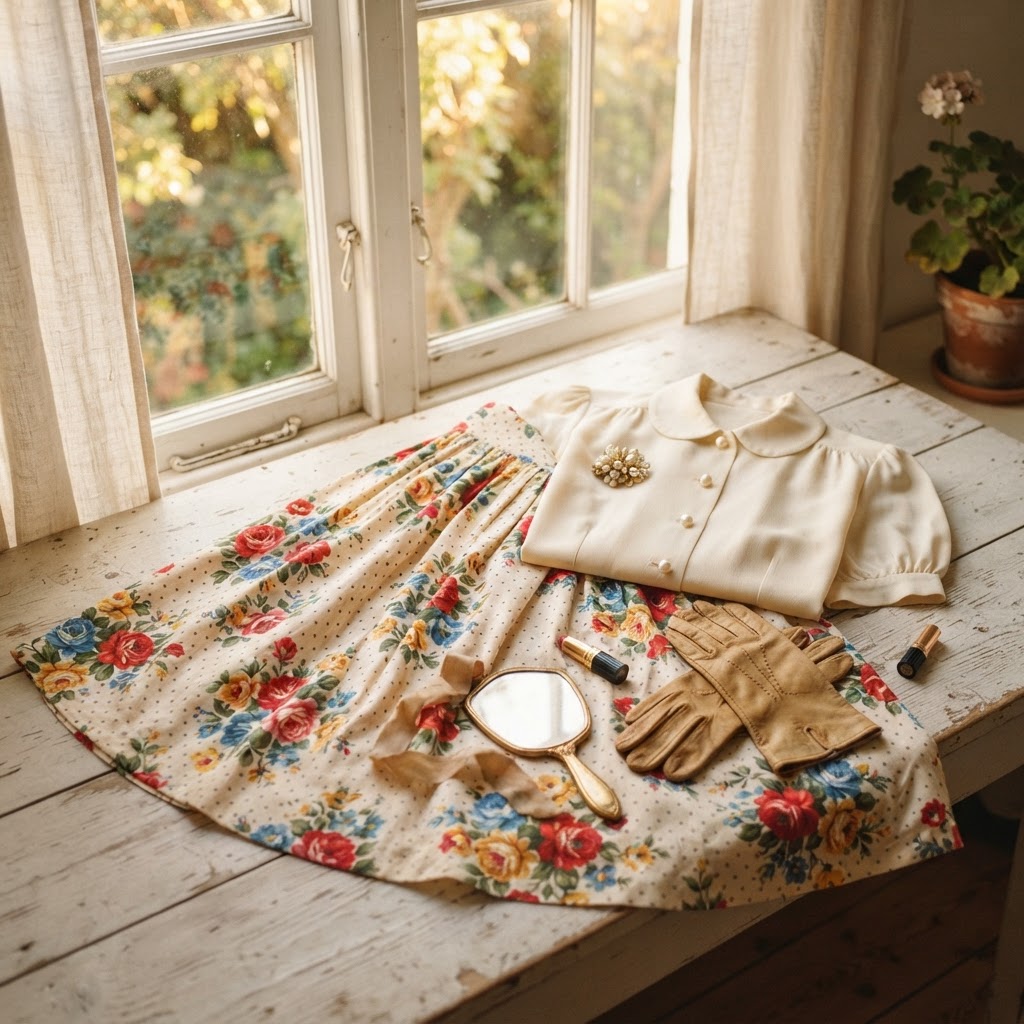
Natural light is, without question, the vintage seller's best friend. Soft, diffused daylight reveals true color, shows fabric texture honestly, and flatters almost every era of clothing without creating harsh shadows that obscure construction details.
The golden rule: shoot near a large window on an overcast day. Direct sunlight creates blown-out highlights and deep shadows that can make a beautiful 1950s circle skirt look flat and washed out. An overcast sky acts like a giant softbox, spreading light evenly across your subject.
If you're shooting indoors, north-facing windows are ideal because they never receive direct sunlight, giving you consistent, cool, even light throughout the day. Set up your shooting area — whether that's a flat lay surface, a garment rack, or a dress form — as close to the window as possible without letting direct rays fall on the piece.
For artificial lighting, a two-softbox setup mimics that overcast-window effect beautifully. Position one light as your key (main) light at roughly a 45-degree angle, and a second as your fill light on the opposite side to soften shadows. Avoid using your phone or camera's built-in flash — it flattens texture and creates an unflattering, clinical look that undermines the romance of vintage fashion.
Color temperature matters enormously when selling vintage. Warm, yellowish light can make ivory fabrics look dingy or make a true-white 1960s mod dress appear cream. Aim for a daylight-balanced light source (around 5500K) and always check your white balance settings if shooting with a camera.
Backgrounds: Keep It Clean, Keep It Contextual
Your background should support the garment, never compete with it. For most listings, a clean, neutral background — white, off-white, or light gray — is the safest and most professional choice. It keeps the buyer's eye on the clothing and photographs well across all screen types.
That said, vintage clothing has a soul, and sometimes a contextual background adds enormous appeal. A 1920s beaded flapper dress photographed against warm Art Deco wallpaper tells a story. A 1970s denim jacket laid flat on weathered hardwood feels authentic to the era. Use contextual backgrounds selectively — for hero shots at the top of your listing — and always include at least a few clean-background detail shots.
Avoid busy patterns, bold colors, or distracting clutter. The vintage piece is the star; everything else is supporting cast.
Choosing Your Presentation Method
There are three main ways to present clothing in your photos, and each has its strengths.
Dress forms and mannequins are the gold standard for showing how a garment fits and drapes. An adjustable dress form lets you size up or down to match the garment's measurements, which is especially important for structured pieces like 1940s suit jackets or 1980s cocktail dresses. Invest in a neutral-colored form — black or beige — that won't clash with the clothing.
Flat lays are versatile, approachable, and excellent for showing full garments and accessories together. Shoot directly overhead using a step ladder or mount your phone/camera above the surface. Style the garment thoughtfully — straighten collars, fan out skirts, smooth wrinkles — and consider adding era-appropriate accessories like a vintage brooch, silk scarf, or period-correct shoes just outside the frame to suggest context without cluttering.
Live model shots, when accessible, are the most compelling option for buyers. Seeing a garment on a body communicates fit, movement, and wearability in ways no dress form can replicate. If you have a friend who fits the garment, ask them to model it. Shoot outdoors in open shade or near a large window, and capture both full-length and three-quarter shots.
Styling Tips by Decade
Every era has its own visual language, and your styling choices should reflect that.
1920s–1930s: Lean into the drama. Low, moody lighting (while still showing detail) and art deco props like geometric frames or vintage compacts add atmosphere. Let the beadwork and bias cuts take center stage.
1940s–1950s: Crisp, clean, and optimistic. Bright natural light suits the bold prints and structured silhouettes of this era. Press everything immaculately — buyers of 1950s New Look silhouettes expect sharp pleats and pristine collars.
1960s–1970s: Have fun with it. Pop colors and psychedelic prints thrive under bright, even light. Flat lays on colorful (but not competing) surfaces work beautifully for mod shifts and boho blouses alike.
1980s–1990s: Embrace the energy. Slightly bolder backgrounds, dynamic angles, and confident styling suit the maximalist spirit of 80s power dressing and the effortless cool of 90s minimalism.
2000s–2010s: Lifestyle context works well here. These pieces are close enough to contemporary fashion that buyers respond to aspirational styling — show them how to wear it now.
The Detail Shots That Close Sales
Beyond your hero shots, detail photography is what builds buyer trust and reduces return requests. Always photograph:
- Labels and tags — era and brand authentication starts here
- Fabric texture — close-up shots reveal whether something is silk charmeuse or polyester satin
- Closures — zippers, hooks, buttons, and snaps tell buyers about condition and originality
- Any flaws — pulls, repairs, staining, or fading must be photographed honestly and clearly. Transparency builds your reputation as a trustworthy seller.
- Measurements reference — laying a soft tape measure alongside a waist or hem in a photo helps buyers visualize fit
For detail shots, use your camera or phone's portrait or macro mode and get as close as the lens allows while maintaining focus. Good detail photography is the difference between a confident purchase and an abandoned cart.
Quick Technical Tips
- Shoot in the highest resolution your device allows — buyers zoom in
- Edit for accuracy, not beauty — adjust exposure and white balance, but don't over-saturate or filter colors that will mislead buyers
- Shoot multiple angles — front, back, side, and detail are the minimum
- Steam or press everything before photographing — wrinkles read as poor condition even when they're not
- Use a tripod or prop your phone to eliminate camera shake, especially in lower light
Conclusion
Great vintage clothing photography is ultimately an act of respect — for the garment, for its history, and for the buyer who deserves to see exactly what they're getting. When you light thoughtfully, style with intention, and document every detail honestly, you're not just selling a piece of clothing; you're passing along a story.
At Ensemble, we believe every authentic vintage piece deserves to be seen at its best. Whether you're a seasoned seller or just clearing out your first haul, these techniques will help your listings stand out in our marketplace and find their way to buyers who will truly cherish them. Start with one good window, one clean background, and one beautifully pressed garment — and go from there.