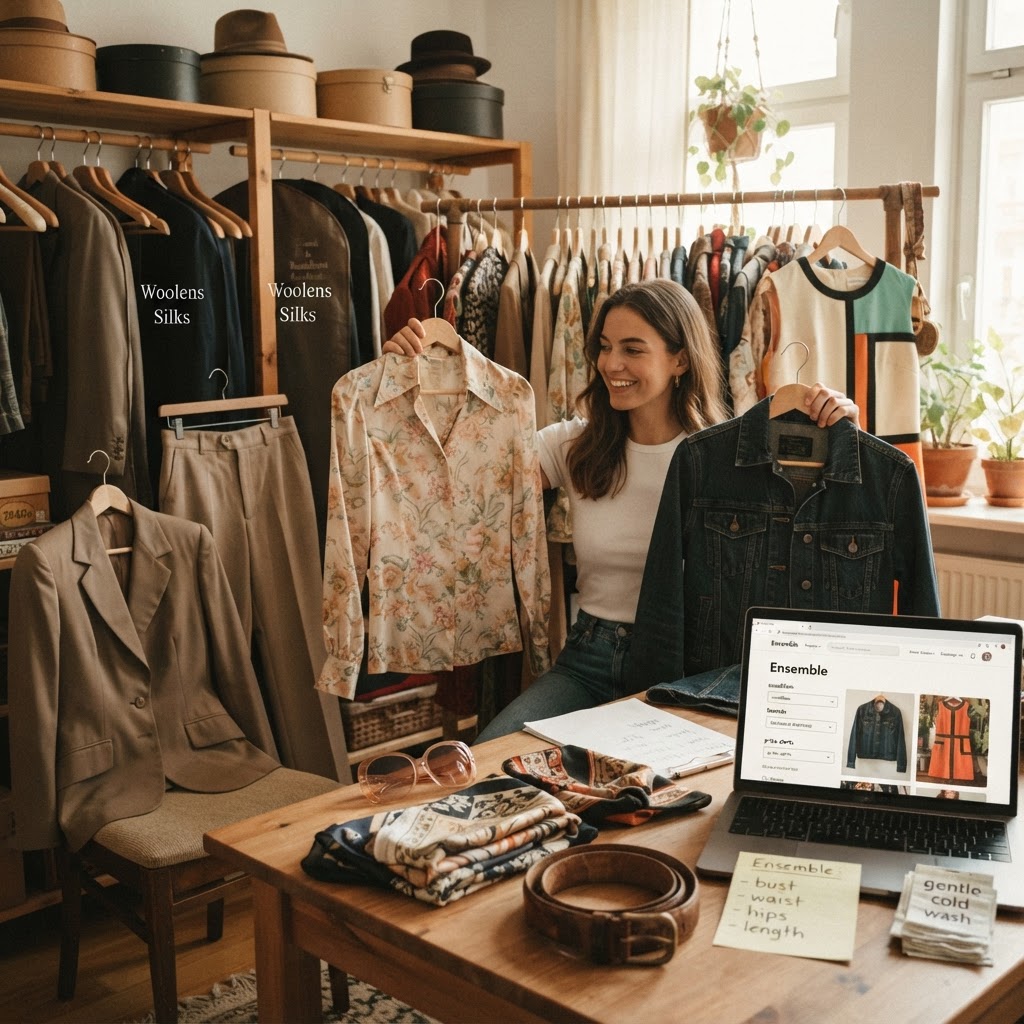
Building a Vintage Wardrobe on a Budget: Smart Thrift Shopping Tips for Every Decade
Dreaming of a closet filled with authentic vintage pieces but worried about the cost? Building a stunning vintage wardrobe doesn't have to break the bank. With the right strategies and a little patience, you can curate a collection that spans decades — all without emptying your wallet.
Why Vintage Fashion Is Worth the Hunt
There's something undeniably magical about slipping on a 1970s suede fringe jacket or a 1950s swing dress and knowing that the garment has lived a life before yours. Vintage fashion isn't just about aesthetics — it's about sustainability, individuality, and a connection to the cultural moments that shaped each era. But for many shoppers, the first question is always the same: How do I build a real vintage wardrobe without spending a fortune?
The good news is that thrifting and smart sourcing have never been more accessible. Whether you're drawn to the flapper silhouettes of the 1920s, the bold power shoulders of the 1980s, or the minimalist cool of the 1990s, a budget-conscious approach can get you there. Here's how.
Know Your Decades Before You Shop
One of the most powerful tools a vintage shopper can carry isn't a tote bag — it's knowledge. Before you walk into a thrift store or browse an online marketplace, take time to study the silhouettes, fabrics, and construction details of the decades you love most.
- 1920s–1930s: Look for drop waists, bias-cut silhouettes, silk charmeuse, and Art Deco embellishments.
- 1940s–1950s: Structured shoulders, nipped waists, full skirts, and sturdy cotton or wool construction are hallmarks.
- 1960s–1970s: Mod geometric prints, A-line cuts, wide lapels, and earth-toned paisley signal these decades.
- 1980s–1990s: Power blazers, acid wash denim, slip dresses, and logo-heavy sportswear dominate.
- 2000s–2010s: Low-rise denim, velour tracksuits, and indie-era plaid are newly vintage territory.
Understanding authentic construction details — like hand-sewn buttonholes, metal zippers, and union labels — helps you distinguish genuine vintage from modern reproductions. This knowledge saves money and prevents disappointment.
Set a Budget and Stick to a Wish List
Impulse buying is the enemy of a curated vintage wardrobe. Before any shopping trip, write a wish list of specific items, silhouettes, or colors you need to fill gaps in your closet. A capsule approach works beautifully for vintage: focus on versatile pieces that can be styled multiple ways rather than chasing every eye-catching oddity.
Set a monthly thrifting budget — even $30–$50 can yield remarkable finds if spent wisely. Prioritize quality over quantity. One well-made 1960s wool coat will serve you better than five fast-fashion-adjacent pieces from a trendy vintage boutique.
The Art of Thrift Store Shopping
Chain thrift stores like Goodwill, Salvation Army, and local charity shops remain the holy grail of budget vintage hunting. Here are proven strategies to maximize every visit:
Shop mid-week and early morning. Most thrift stores restock Tuesday through Thursday. Arriving early means first access to freshly sorted racks before the weekend crowds descend.
Check every section, not just women's or men's. Vintage sizing runs dramatically different from modern standards. A 1970s men's Western shirt might fit a modern women's medium perfectly, and the opposite is true as well. Browse everywhere.
Inspect before you buy. Always check seams, underarms, collars, and hems for wear, staining, or damage. Minor fixes — a replaced button, a repaired seam — are worth it. Deep stains or structural damage rarely are, no matter how beautiful the piece.
Learn the color tag rotation. Many thrift chains discount items by tag color on a rotating weekly basis. Ask staff about the current discount tag and target those racks first for maximum savings.
Estate Sales and Garage Sales: Hidden Goldmines
Estate sales are arguably the best source for pre-1970s vintage because clothing has often been stored carefully and priced by people unfamiliar with the current resale market. Arrive early — doors typically open at 8 or 9 AM — and head straight for the closets and bedrooms before dealers pick through the inventory.
Garage and yard sales offer similar opportunities, particularly in older residential neighborhoods. Prices are almost always negotiable, especially later in the day when sellers are eager to avoid hauling things back inside. Be respectful, make reasonable offers, and you'll often walk away with extraordinary pieces for a few dollars.
Navigating Online Thrifting
Platforms like eBay, Depop, Poshmark, and Facebook Marketplace have democratized access to vintage clothing from every corner of the world. But online thrifting requires a different set of skills.
Use specific search terms. Instead of searching